
Backpacking Thailand
Bangkok
What’s your ideal method for planning a trip away? Browsing a few nice hotels? Choosing a good airline? Pre-booking some exciting excursions at the least, surely?
Whenever I’m travelling somewhere new for the first time, I usually do my best to make the most of the time I have by getting a good idea of what I’ll be doing and having a rough itineray to begin with. When I booked my trip to Vietnam last year, many days and weekends were spent researching, planning and deciding. Now I’m not advocating the behaviour of having every second of every day planned out – far from it. But if you’re like me and your travels usually come in the form of “weeks rather than months” then you definitely don’t want to be wasting the time you have – that’s my approach at least.
So it was somewhat a “deviation from the norm” when I decided to take a 2 week trip to Thailand on a whim. I’d been planning on going there in 2026 – another 3 week trip like I’d done 2 years prior (in Vietnam). But with the inevitable costs and distractions of a house move this year, along with an ageing Freelander that decided her gearbox needed replacing, I’d ended up not travelling around as much at this point in the the year. So my holiday balance was looking unusually healthy, and it all needed gobbling up before the year was out.
It was late October time – a bit too late in my eyes for a Mediterranean break or a nice-weather trip around Europe. I really wanted to return to Switzerland but that time of year wasn’t shaping up to be the best. A mid point between the summer sun and the winter snows – i.e. potentially just a lot of rain.
A return to Scotland was a likely option. I went previously in the Autumn time and the scenery was incredible, so that could have been the case had I not found a gem of a deal on Skyscanner – London to Bangkok for £250 each way!
How could I say no? Fortunately I’d already had the recommended vaccines for the South East Asia region, so there wasn’t anything that required a little bit more time to arrange. I had 10 days to get some travel money and pack my bag – all very doable.
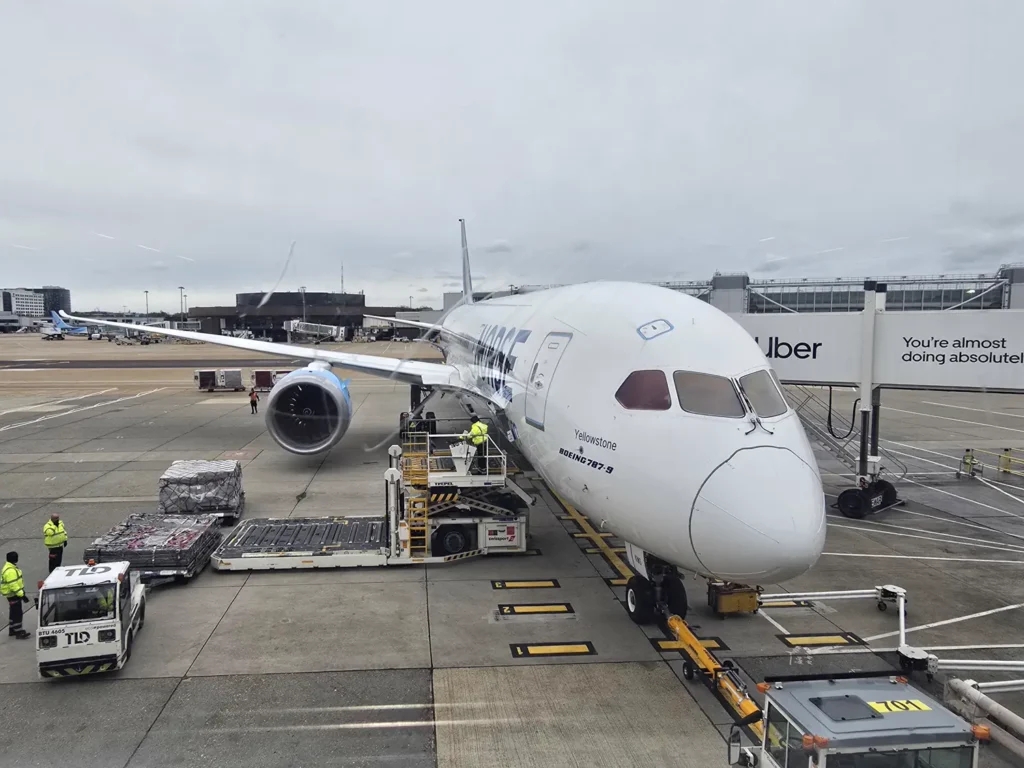
Of course my super-economical tickets meant a light (<10kg) cabin bag only, no in-flight food or drinks, and a “distinctly average” experience with Norse Atlantic airlines. Not complaining! I’m glad I’ve got the choice to travel far on a budget, but it didn’t match the more premium experiences with the likes of Emirates and Qatar Airways.
I left Bangkok Suvarnabhumi Airport on the metro and made my way into the Thai capital, an approximate 30 minute journey with views all across the city. As is often the case, it was initially a challenge to work out the public transport system and I ended up a few km from the city canter.
Of course, “a few km” is inconsequential to Maximus the Great, so I thought nothing of it and was happy to walk the remaining distance – but I’d underestimated the intense, muggy heat and found my little walk somewhat challenging! Even a small backpack in 35 degrees C was uncomfortable – although I’m sure there are a few people out there who’ve done 40+ degrees in Australia with a 70L sack who would laugh dismissively.
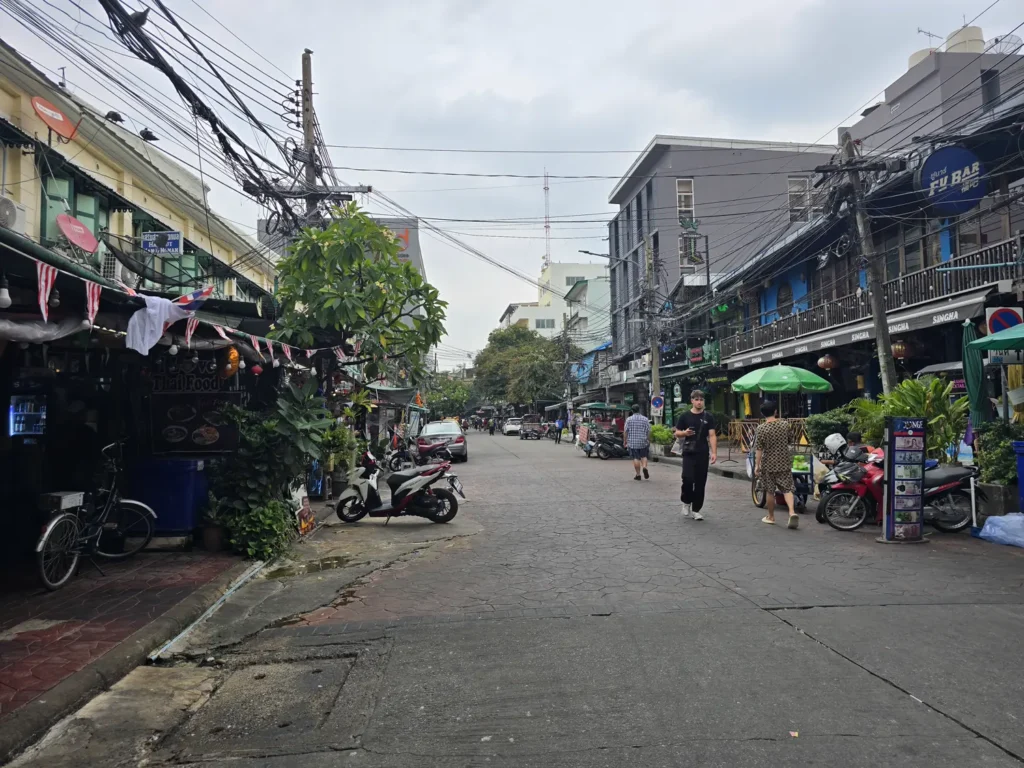
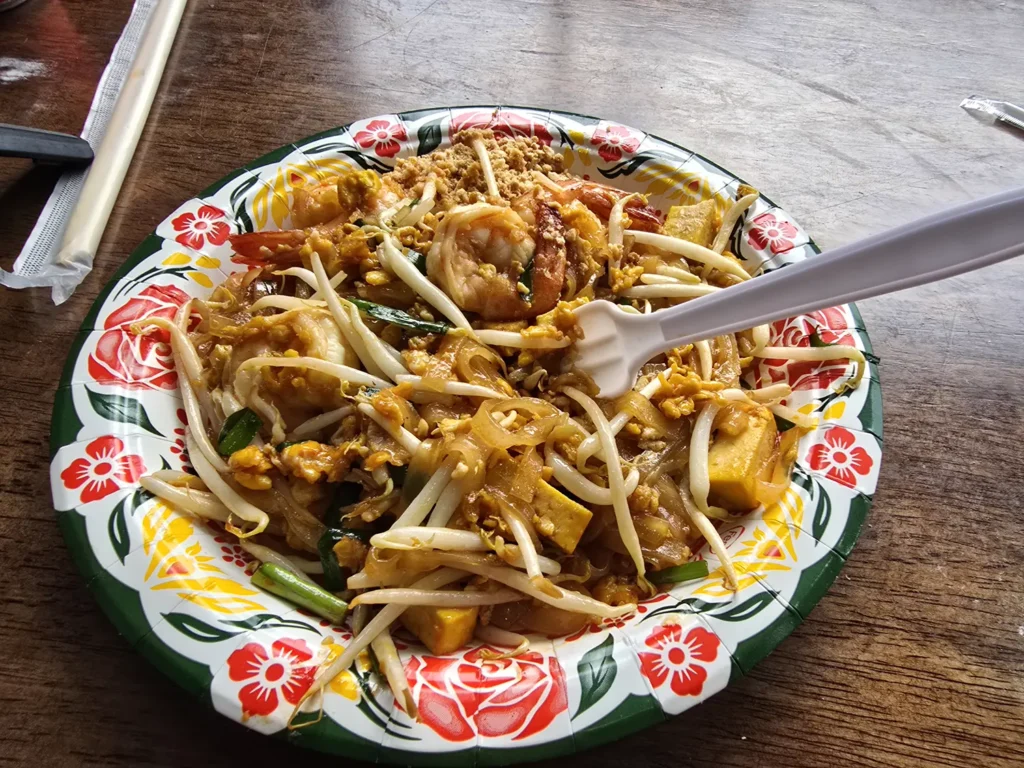
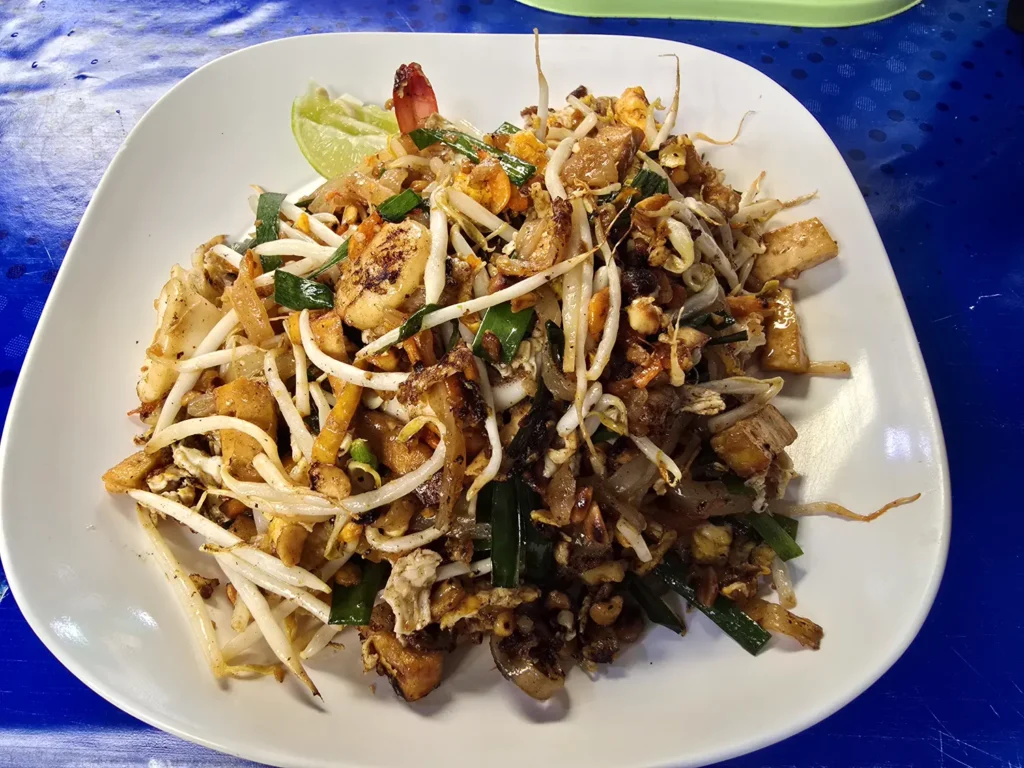
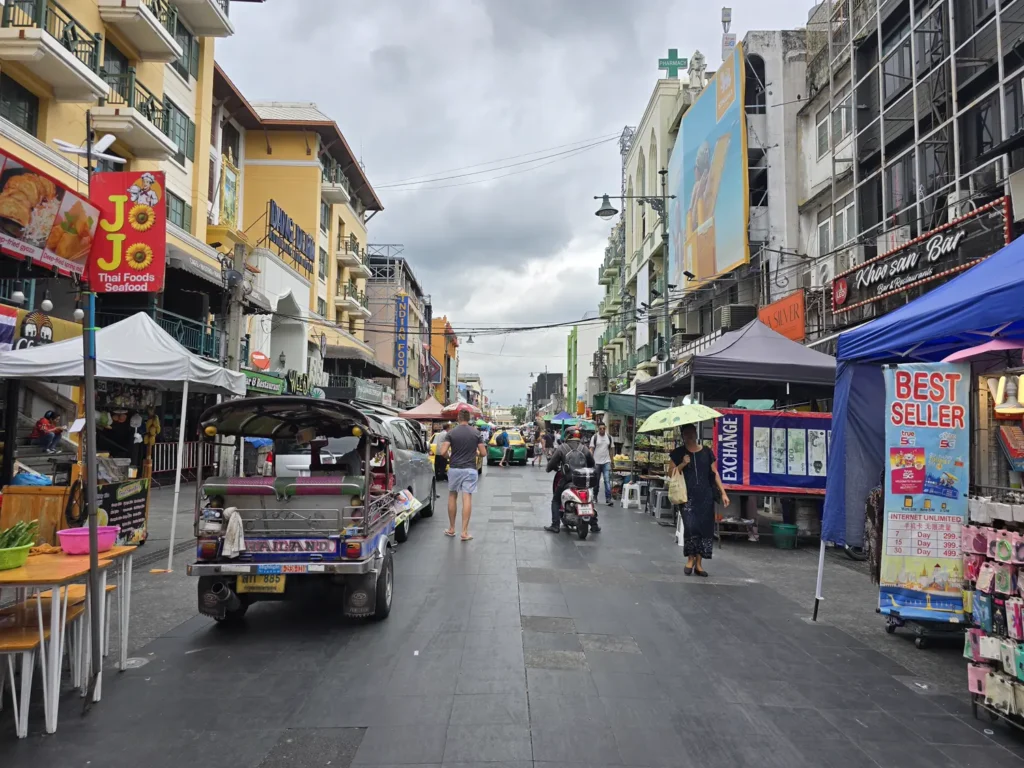
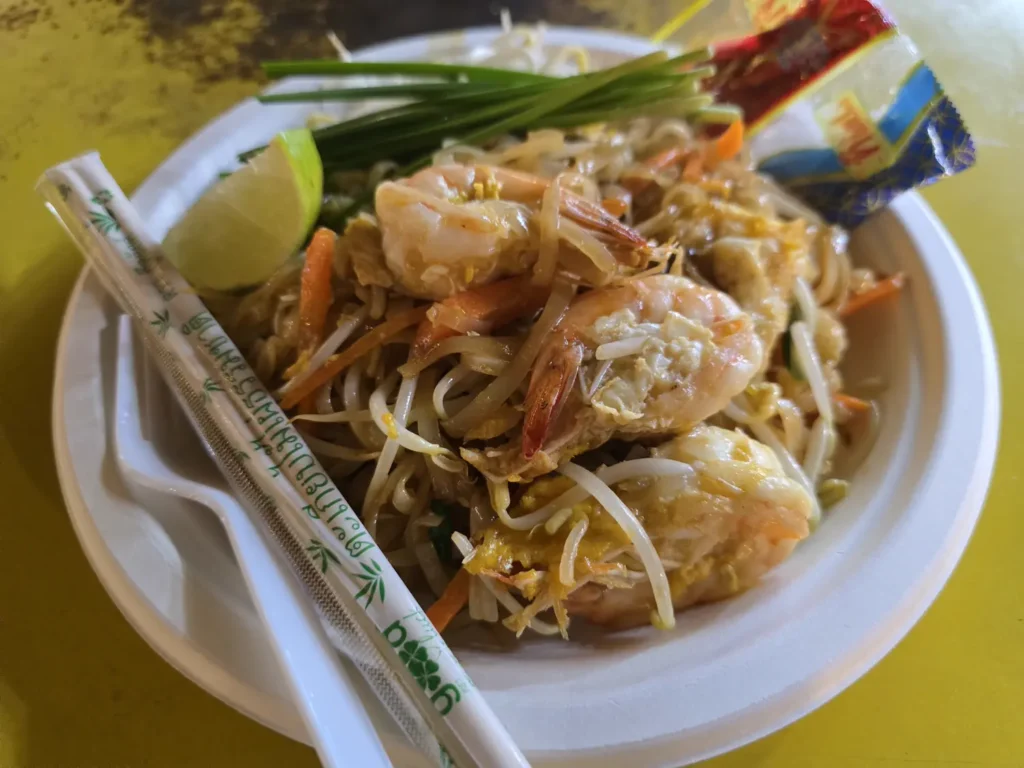
I’d managed to get a list of sights in visit in Bangkok before I arrived, so I didn’t need to waste any time in looking around and familiarising myself – and I also didn’t wait long to find my first authentic Pad Thai in Khoa San Road. The rest of the day really was just spent wandering and ending up in a bar playing pool until the late evening.
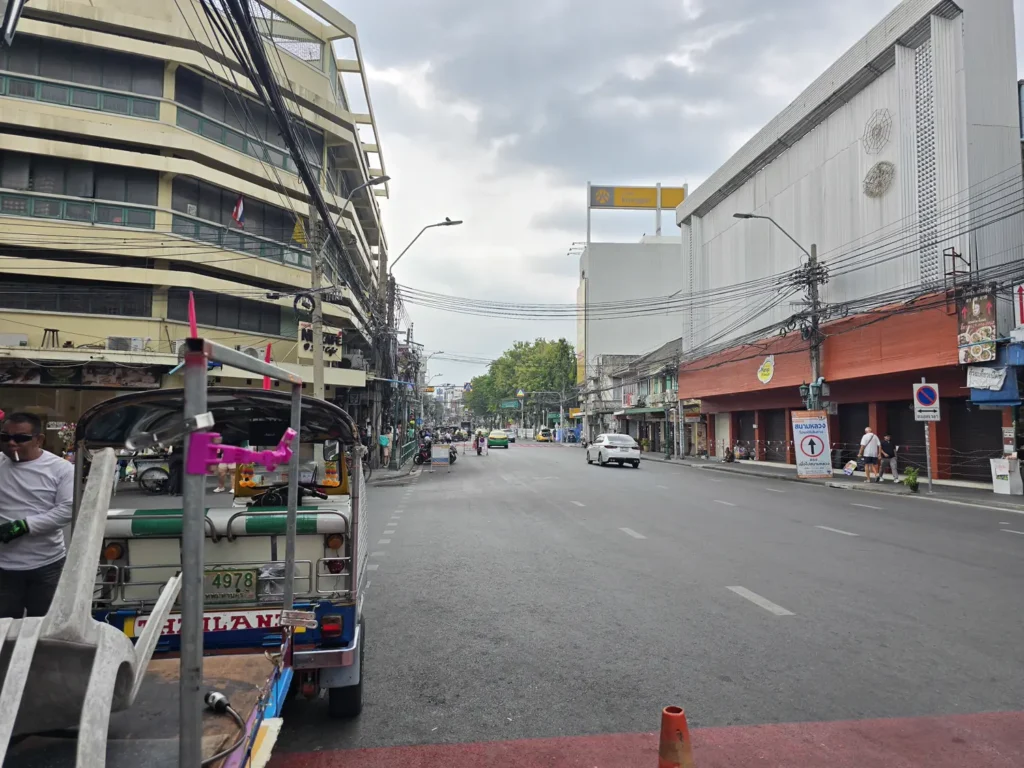
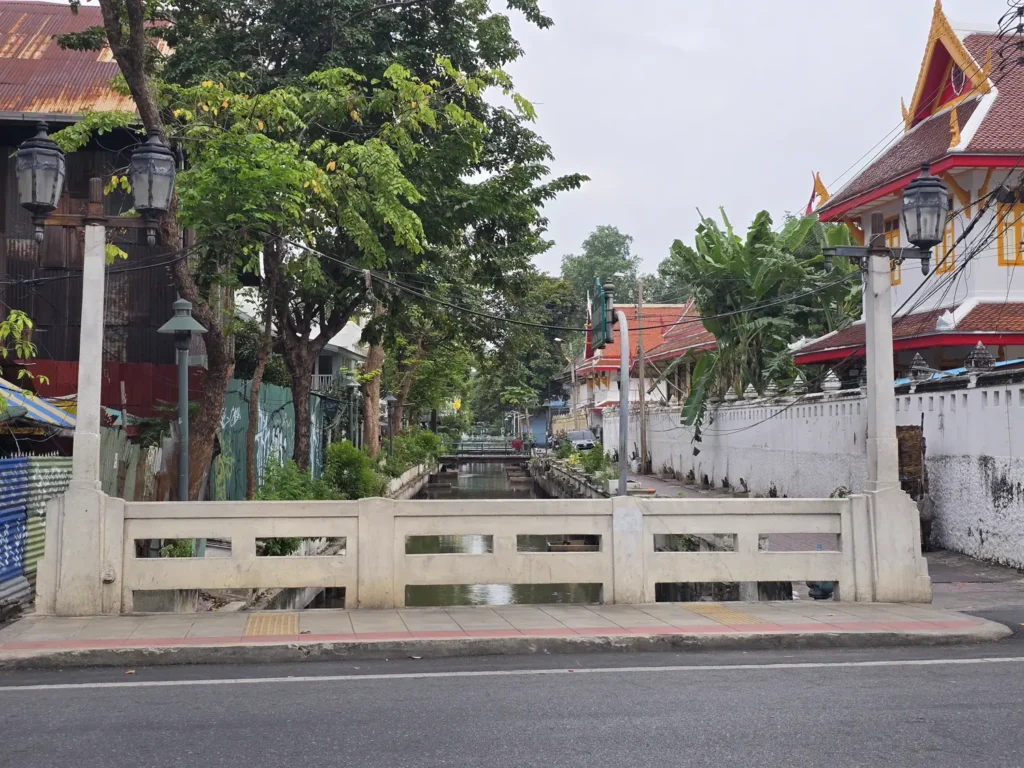
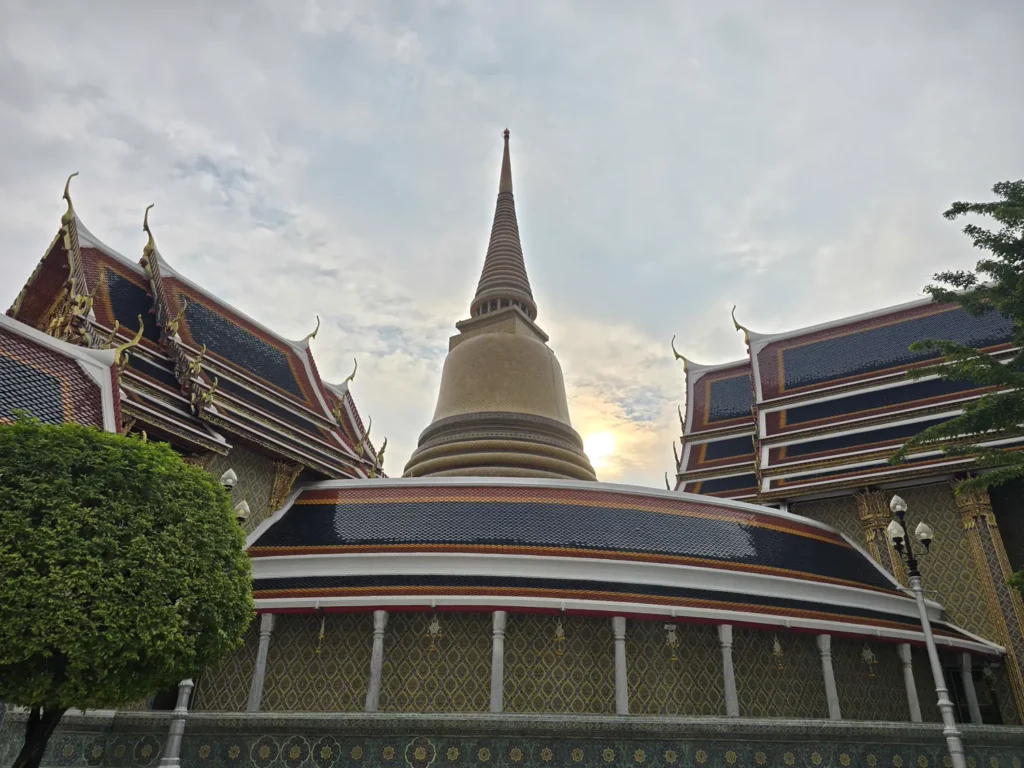
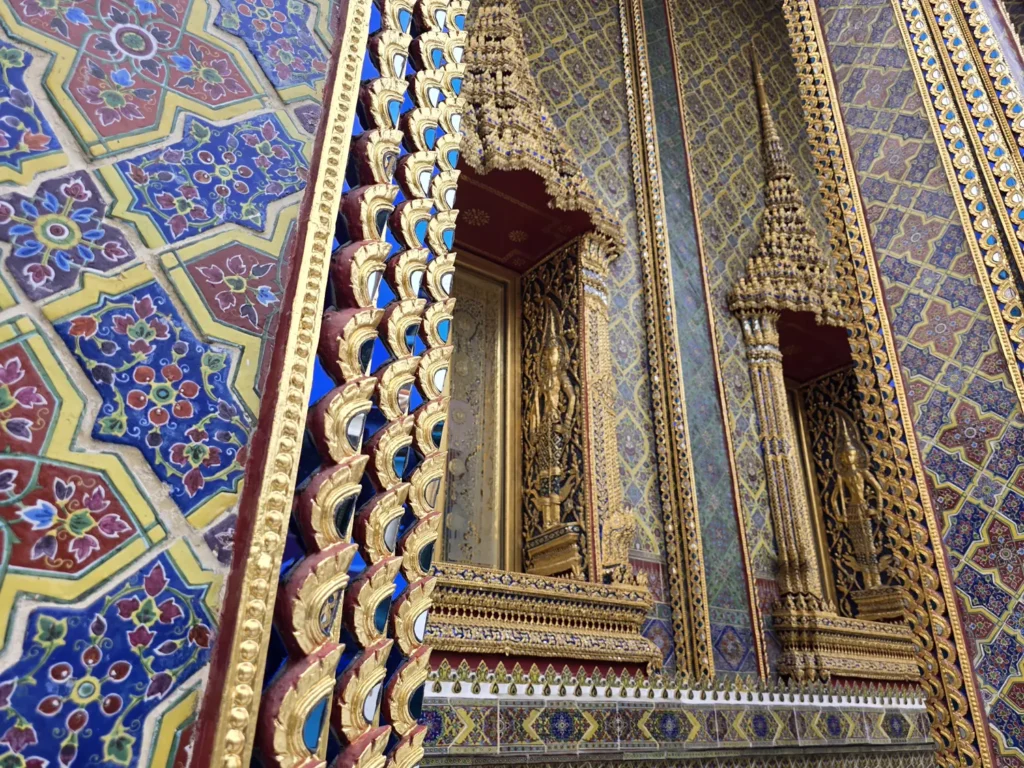
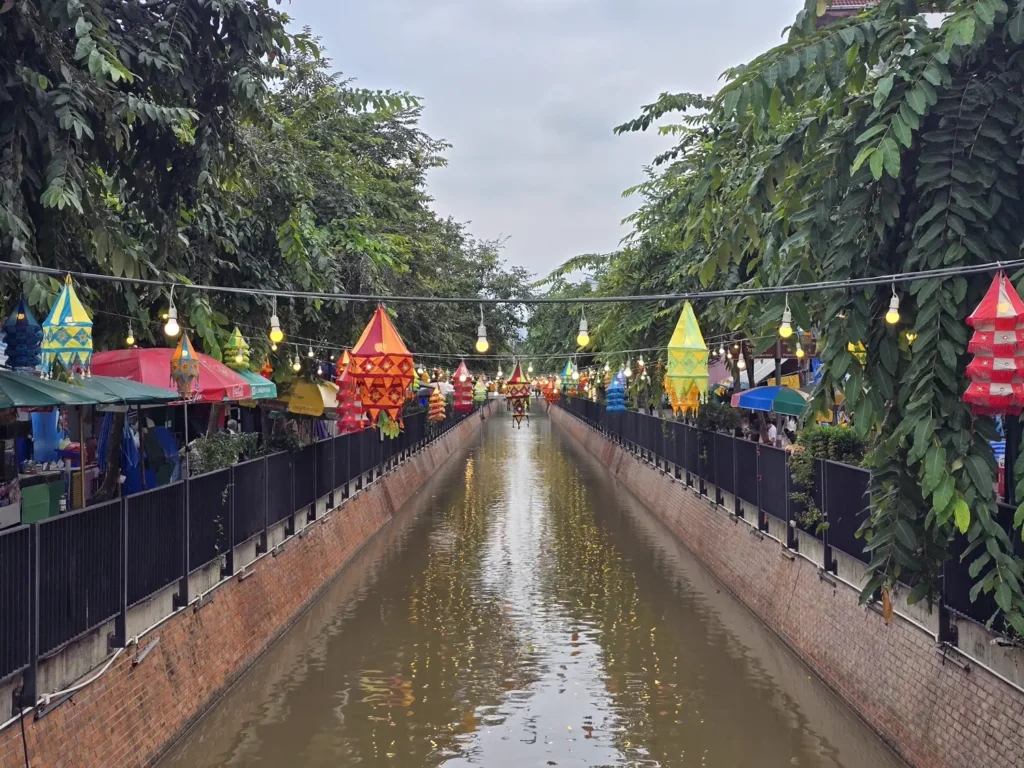
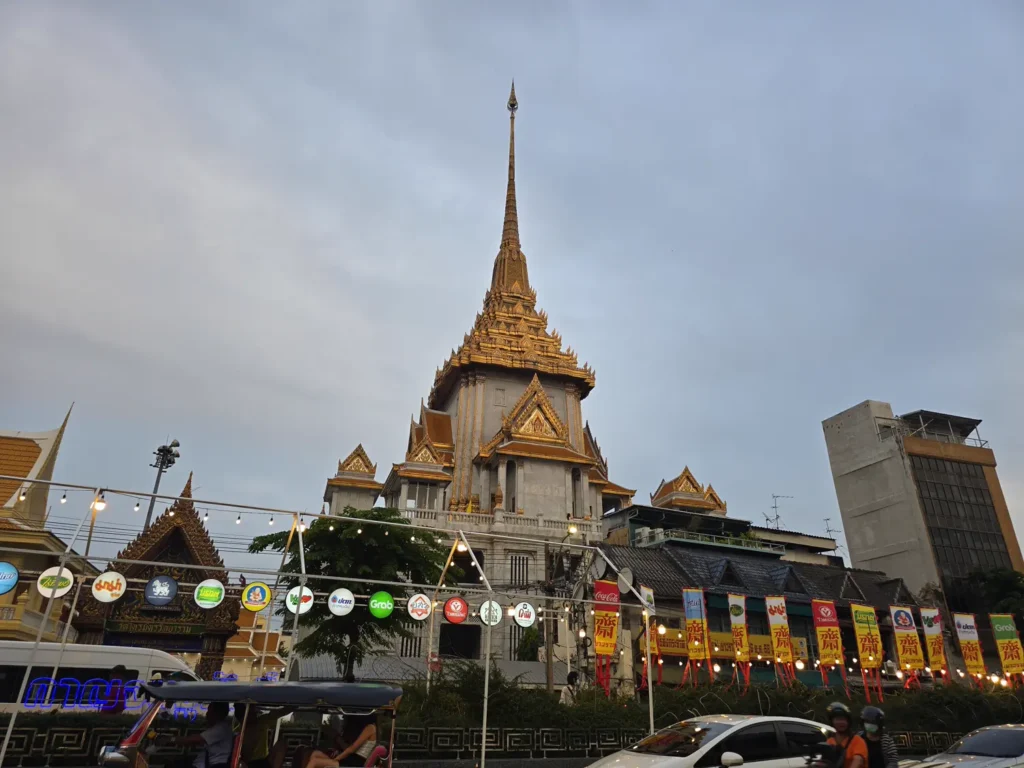
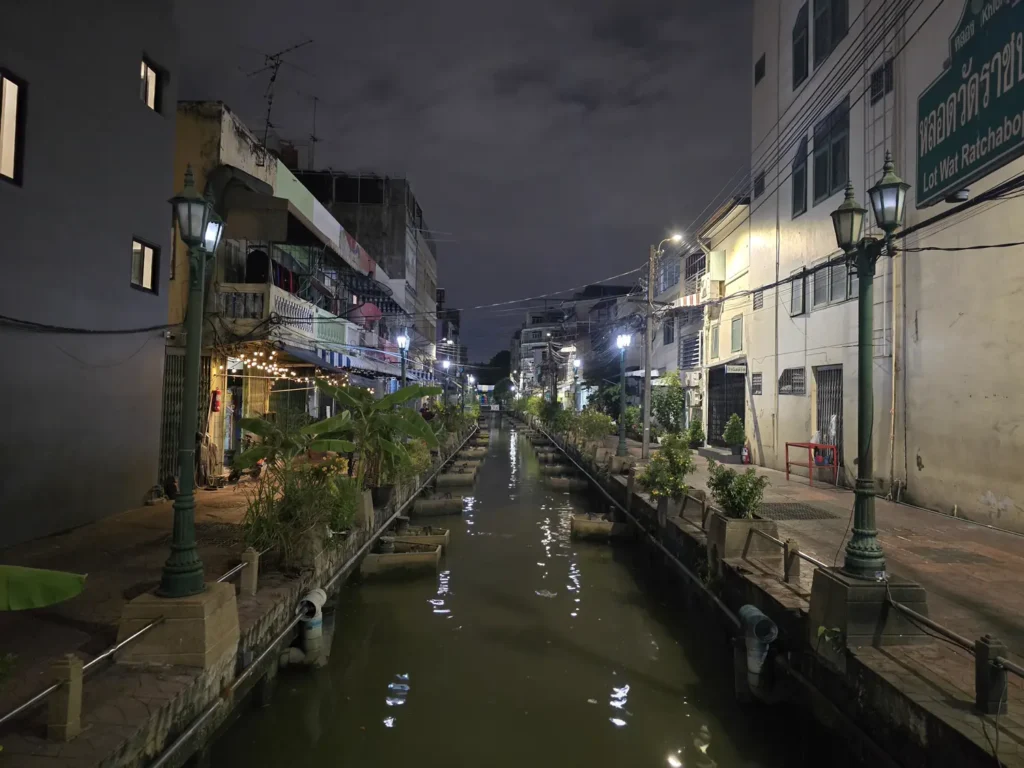
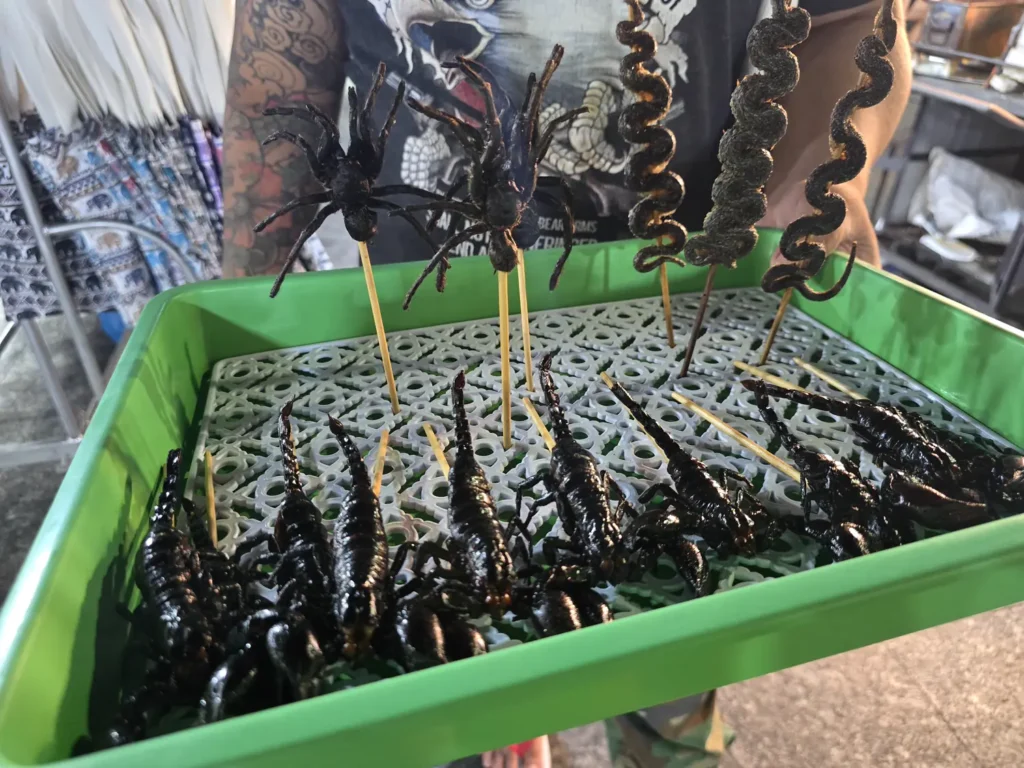
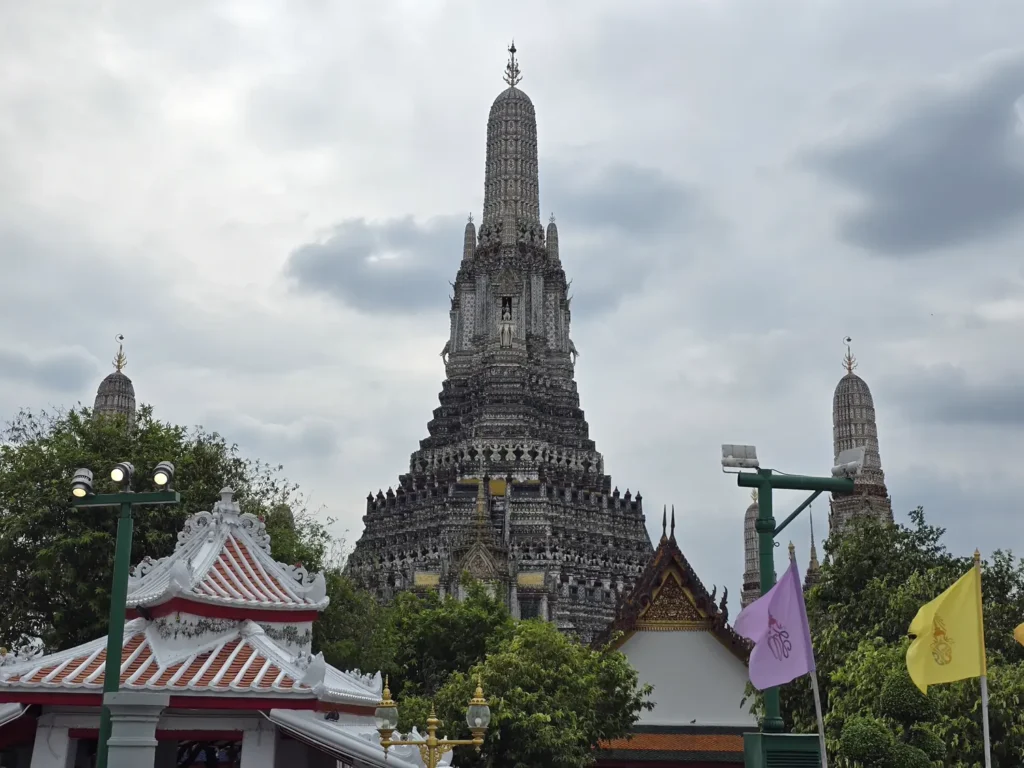
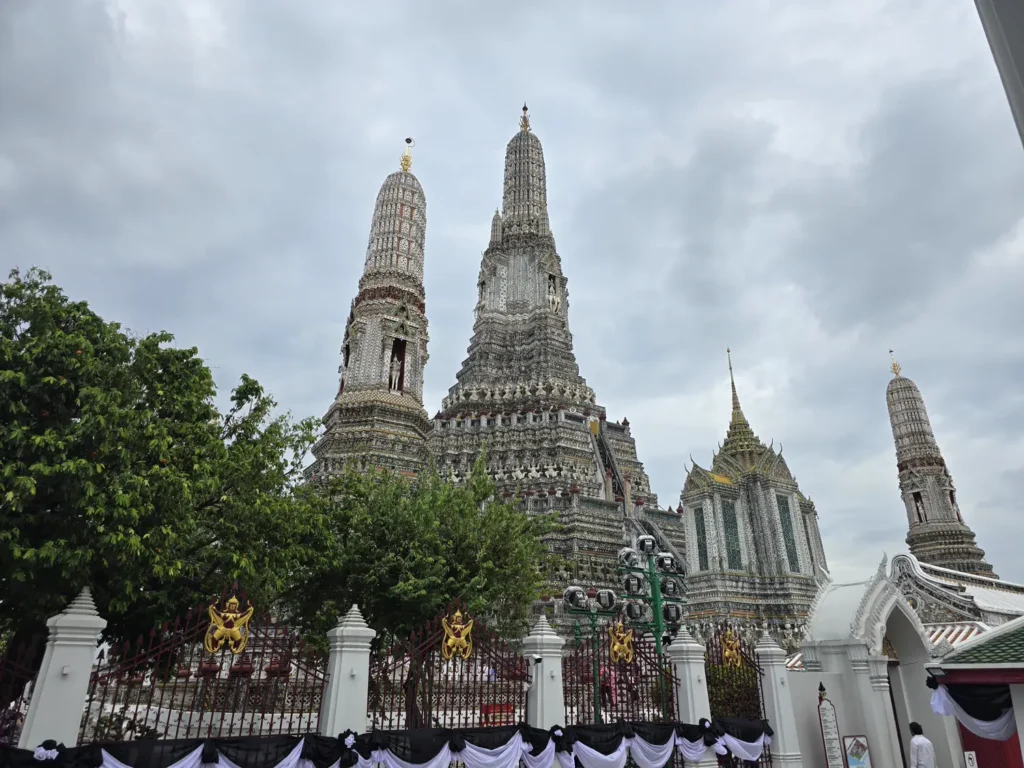
Tuesday was sight-seeing day! The first of 2 “Temple Tuesdays” – beginning with Wat Arun, one of the visual landmarks of Bangkok. I’d originally headed first for the Grand Palace – the official residence of the Monarch of Thailand – but due to the death of Queen Sirikit (The Queen Mother) within the previous fortnight, this was currently closed to the public.
I caught a boat across the river – this included a “floating market” visit detour which I thought might be worth seeing. Unfortunately this “floating market” comprised of a single man in a small boat selling tat (and if you don’t want to buy anything, he’ll ask if you want to buy the boat driver something instead!). Anyway, that was definitely a waste of precious Baht and time but fortunately it would be the only scam to catch me out on the trip.
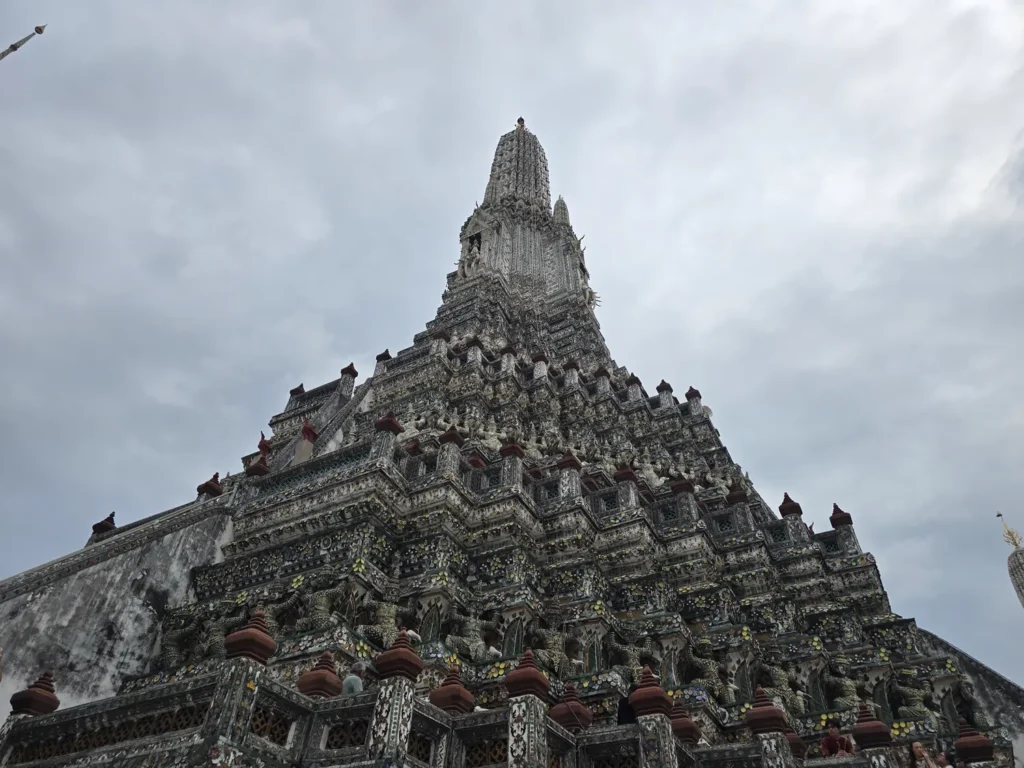
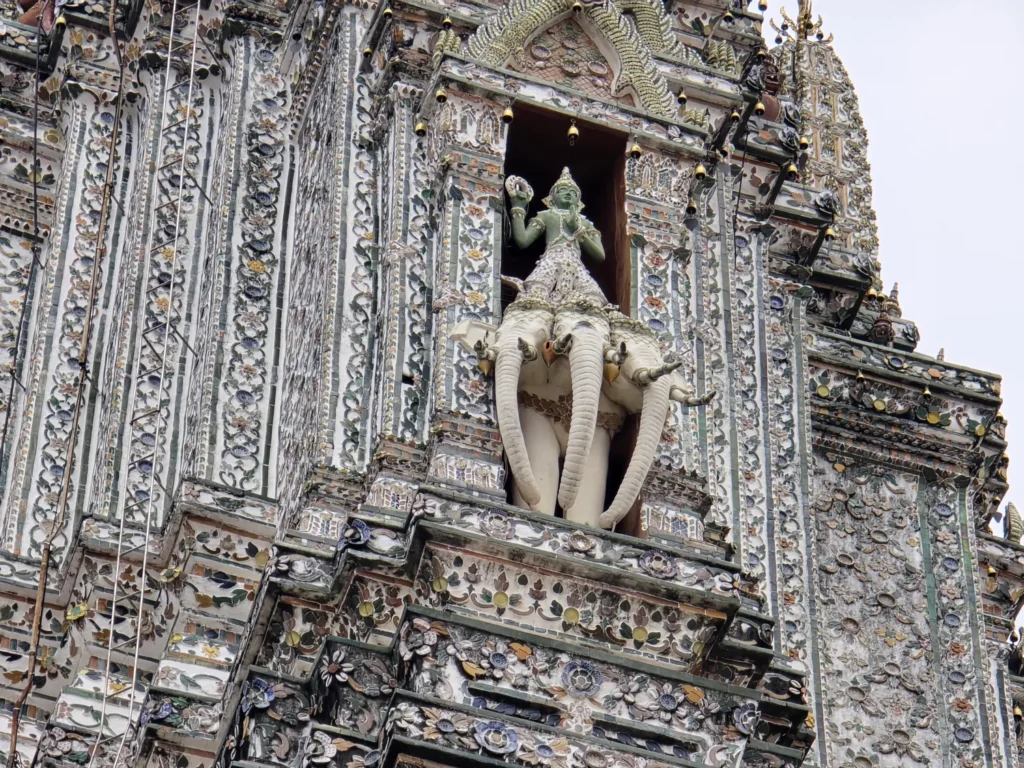
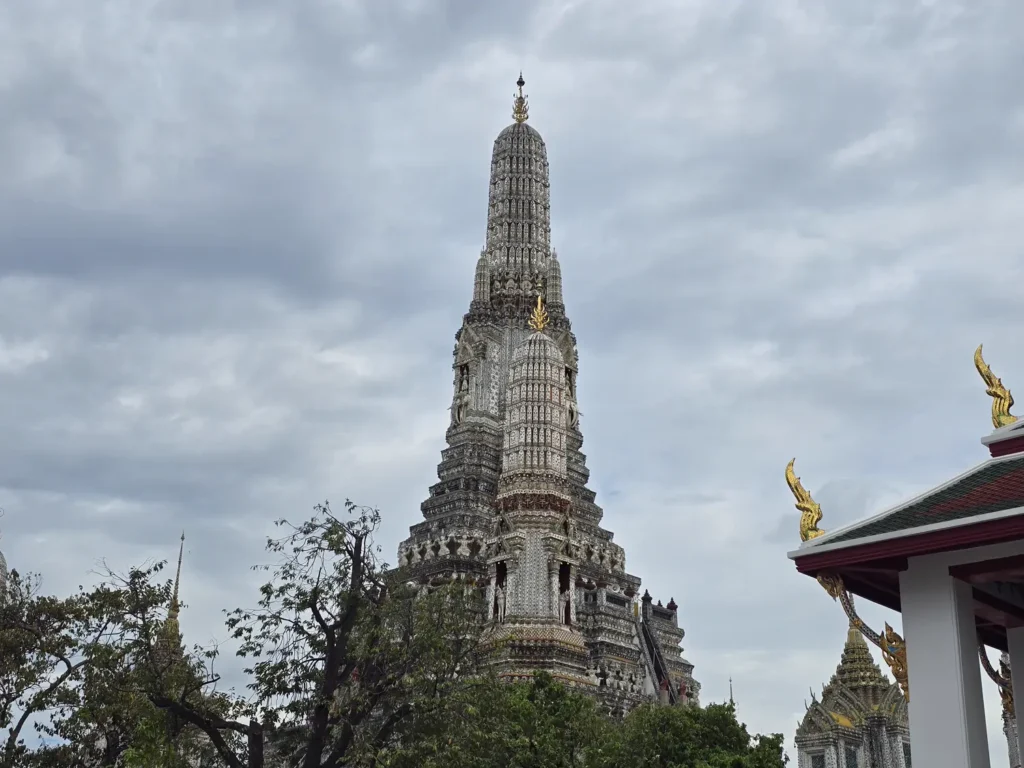
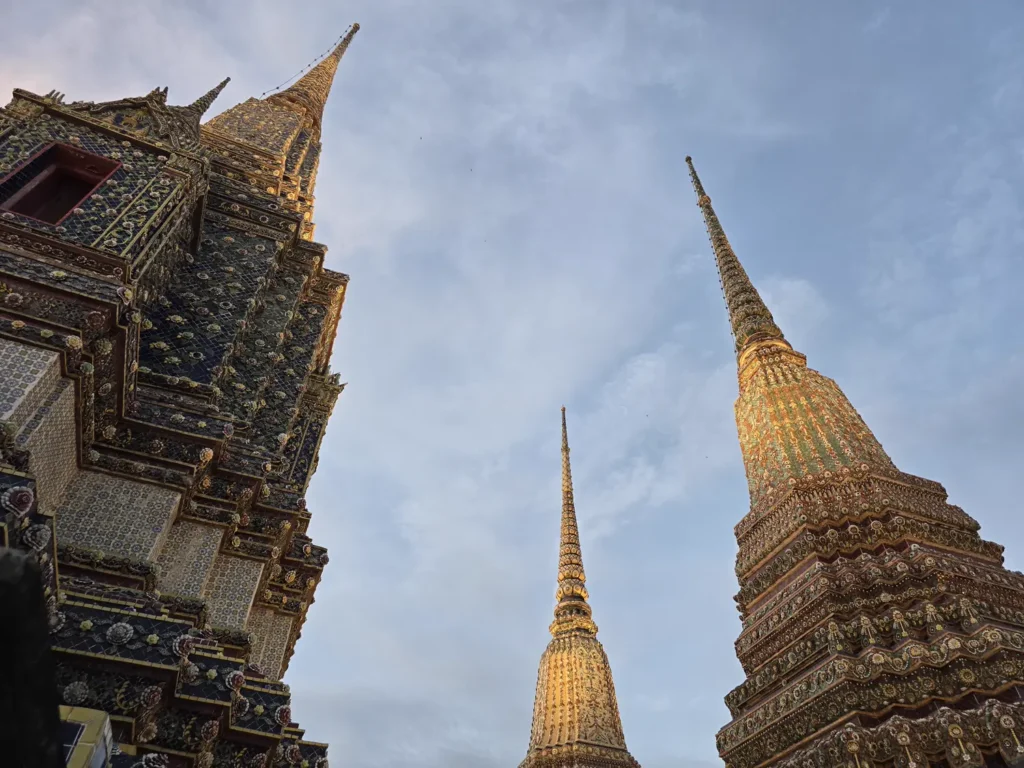
The boat did drop me off right outside the temple at least, and I could walk straight in. My first honest thought was that it wasn’t as big as I expected (the central temple that is), but nonetheless they are always fascinating structures to gaze upon. It’s always interesting to get up close and spot all the tiny details that go into the design.
I’m not going to go into detail about what every temple contains – as for the most part it’s often the same. A main structure, a shrine, assembly halls etc. The more popular or well-known temples usually have some unique aspect that makes them worth visiting, and Wat Arun’s prang (spire) is a key element of Bangkok’s skyline.
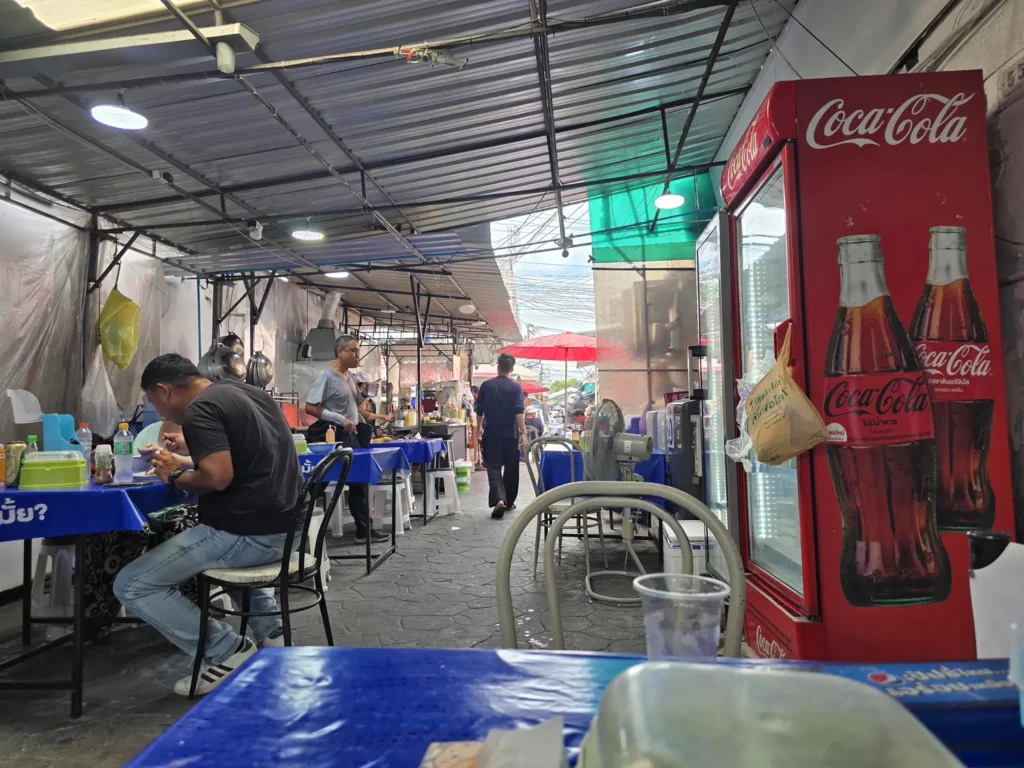
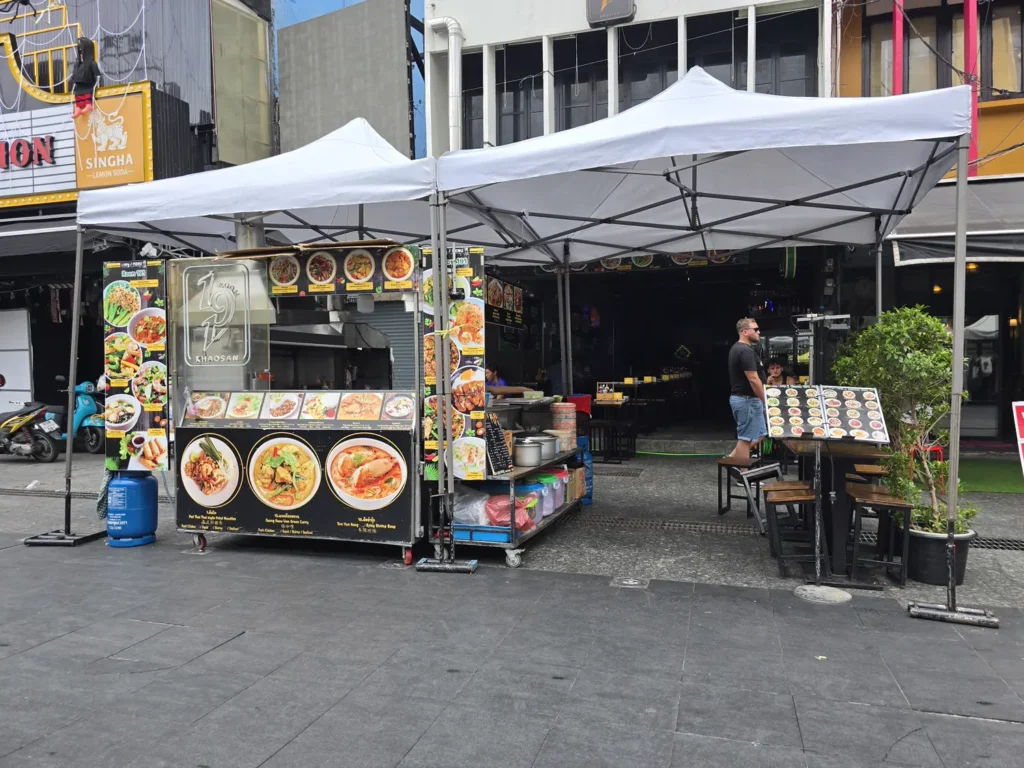
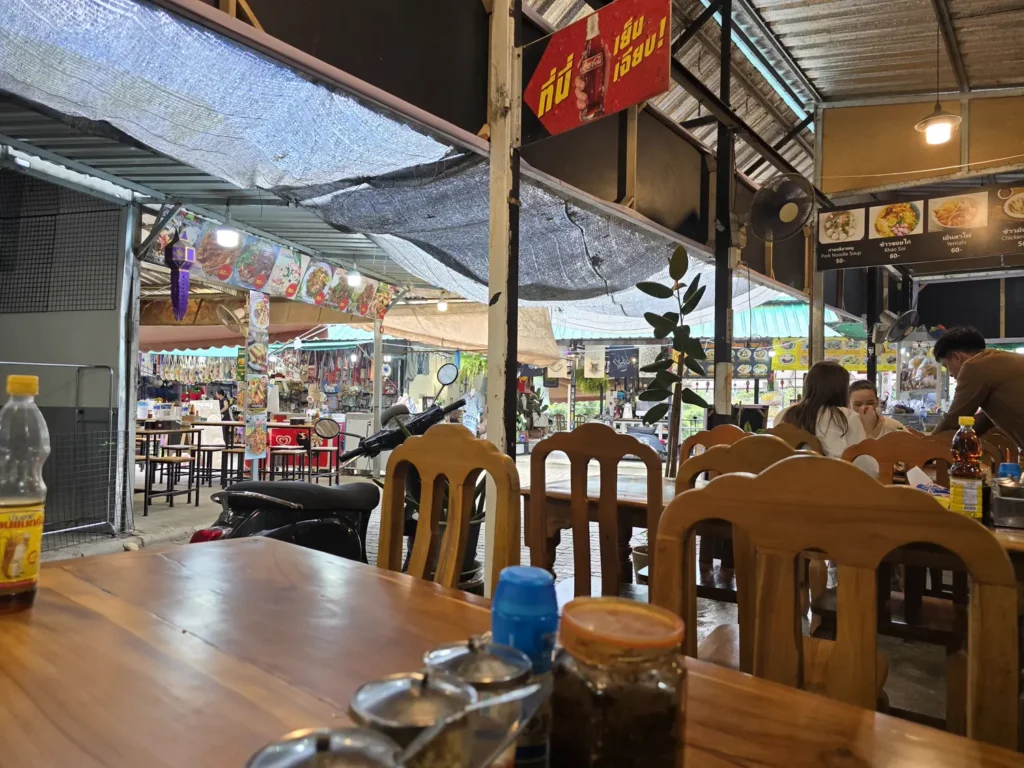
I stopped for lunch at a random stall down an alleyway between the numerous street markets, amazed at how cheap food was turning out to be. I shouldn’t have been surprised – it was the same in Vietnam – but I guess it’s a hefty reminder when you’re coming from the endless economic inflation of the west (at the time).
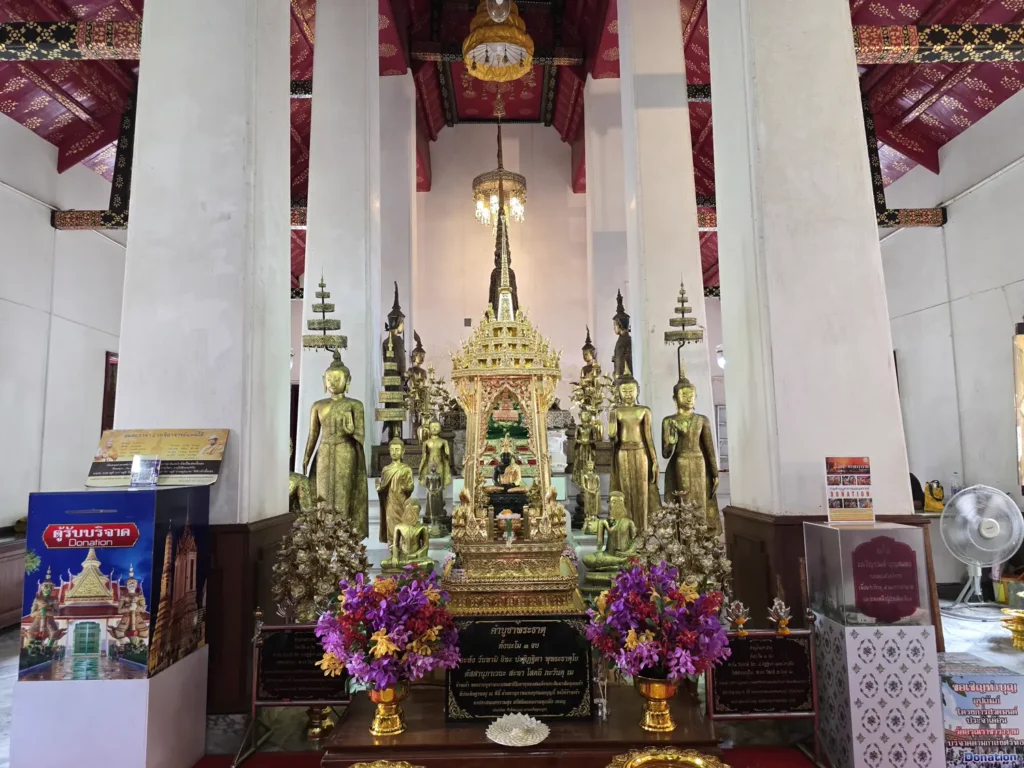
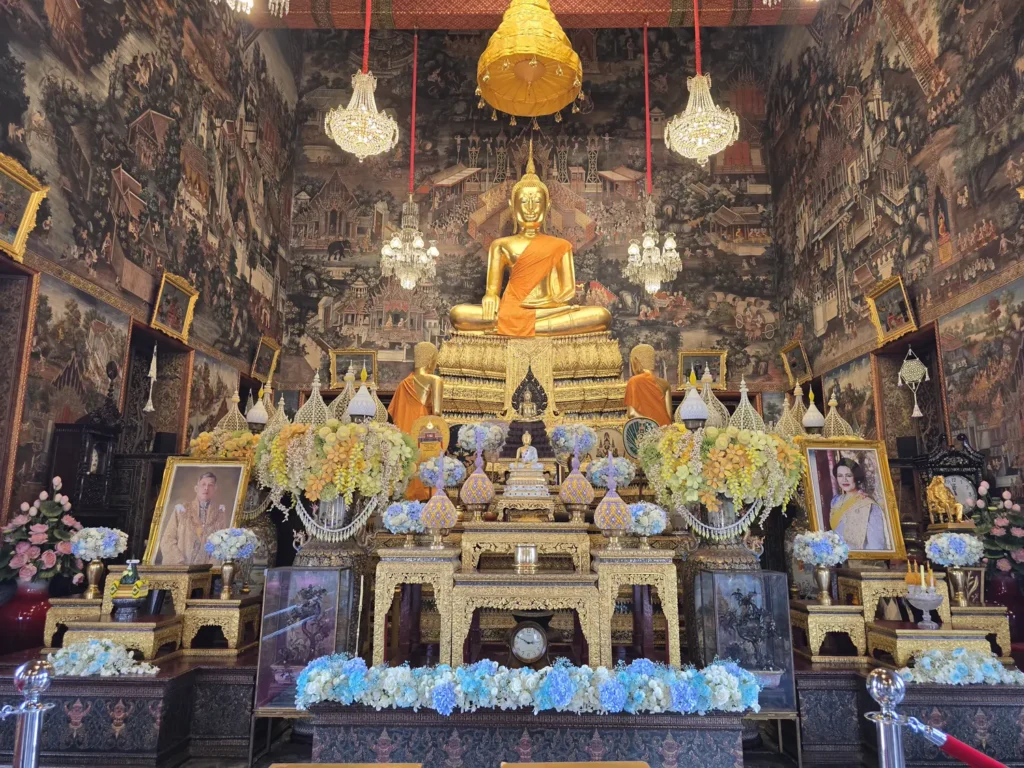
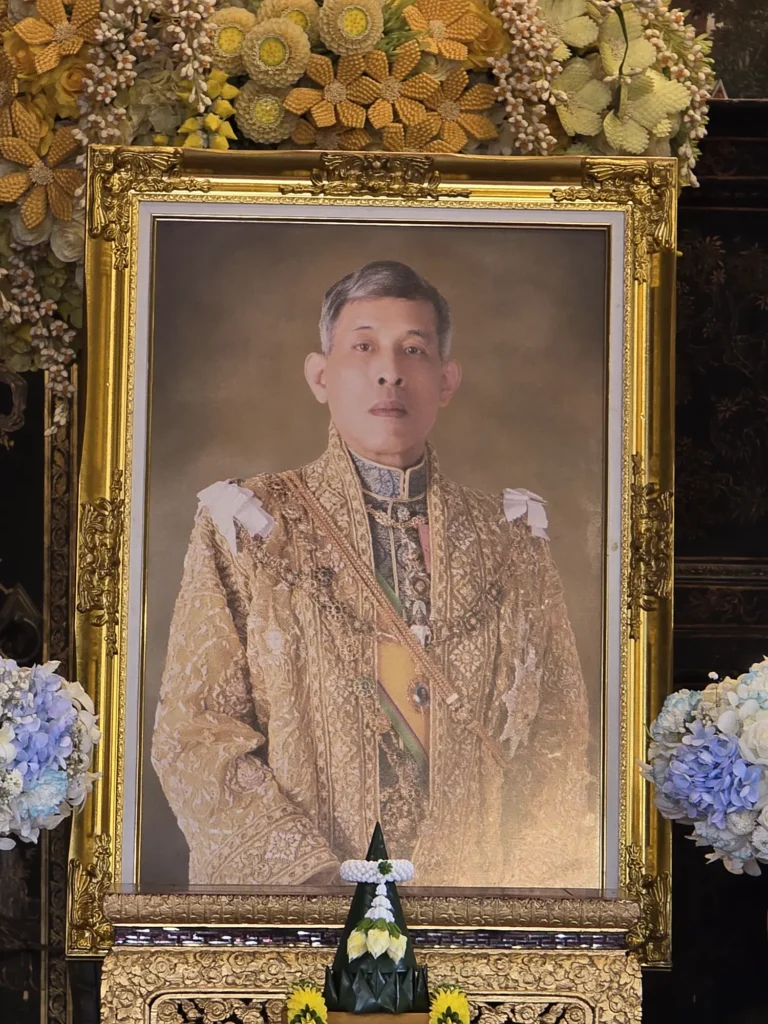
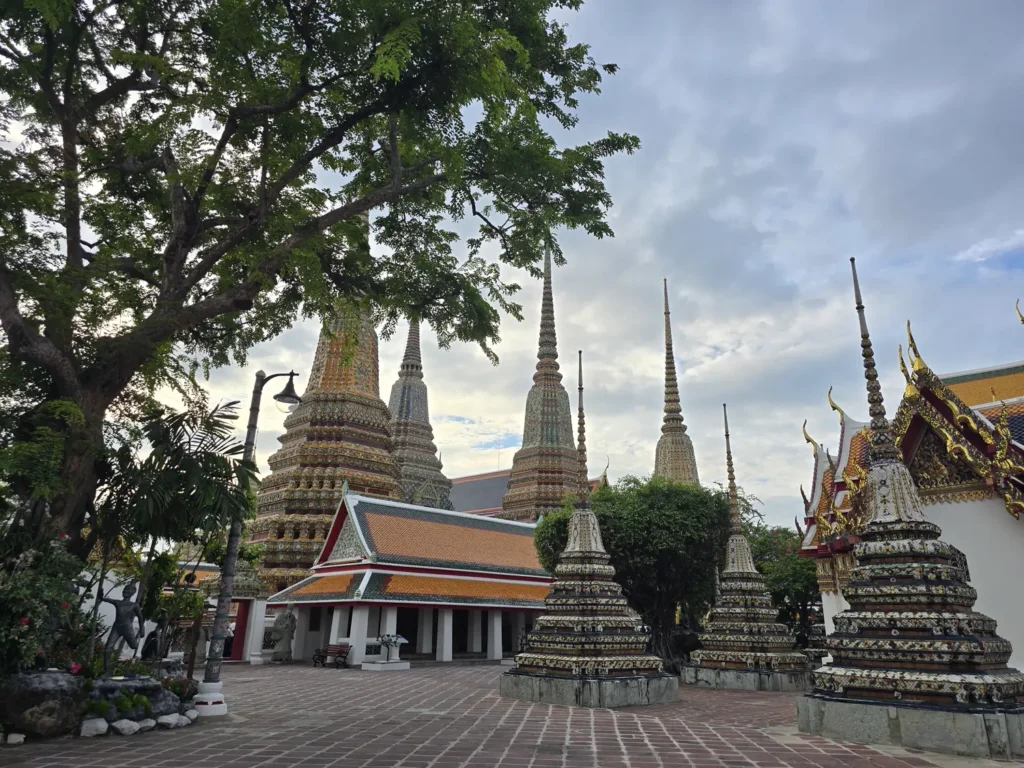
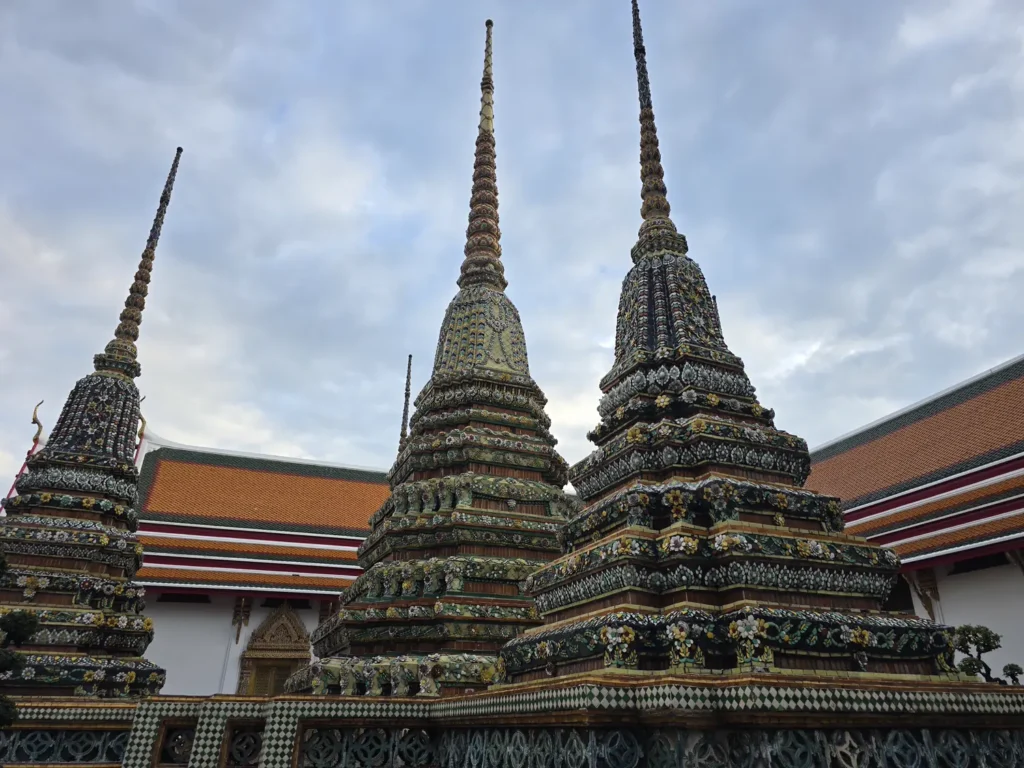
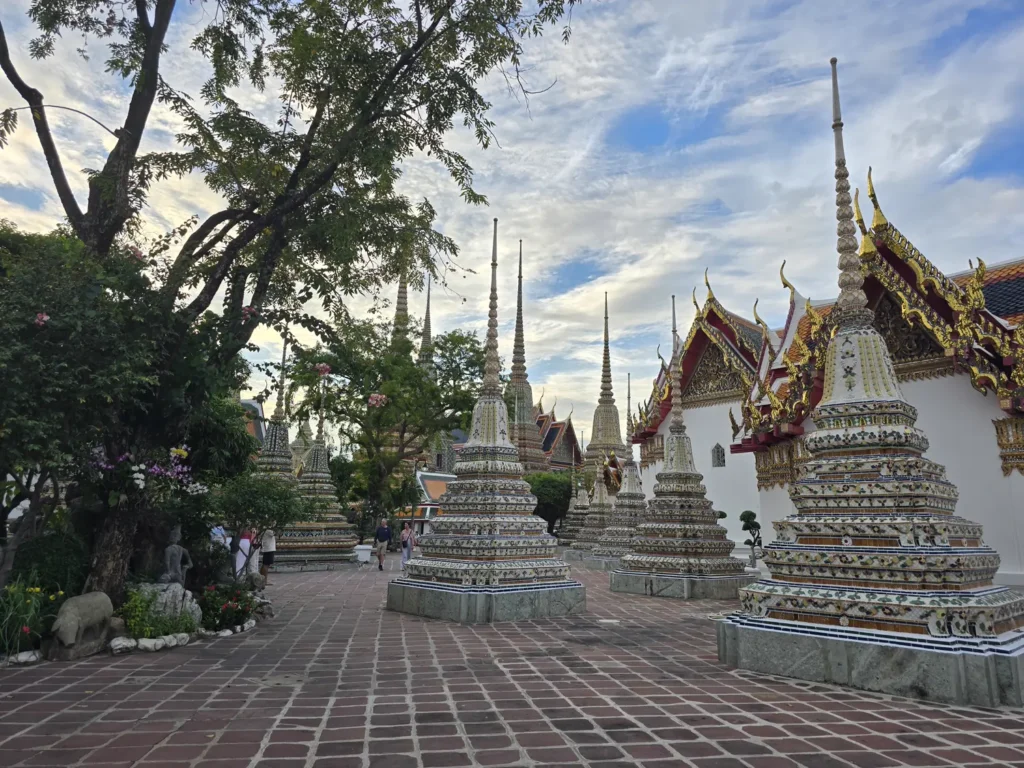
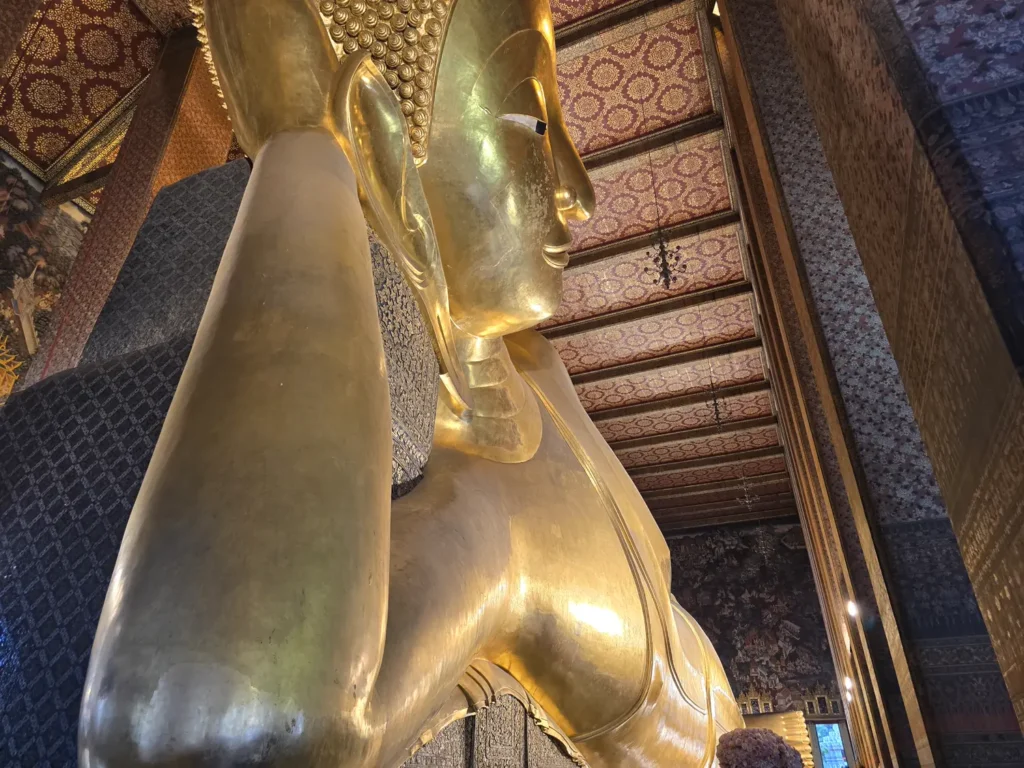
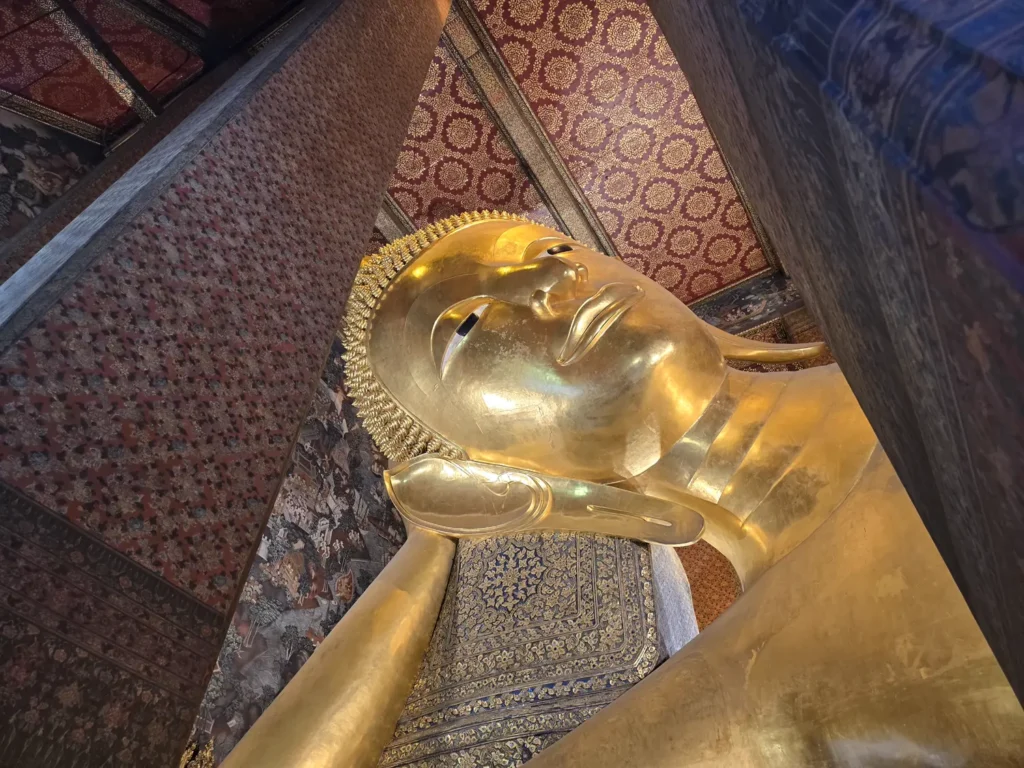
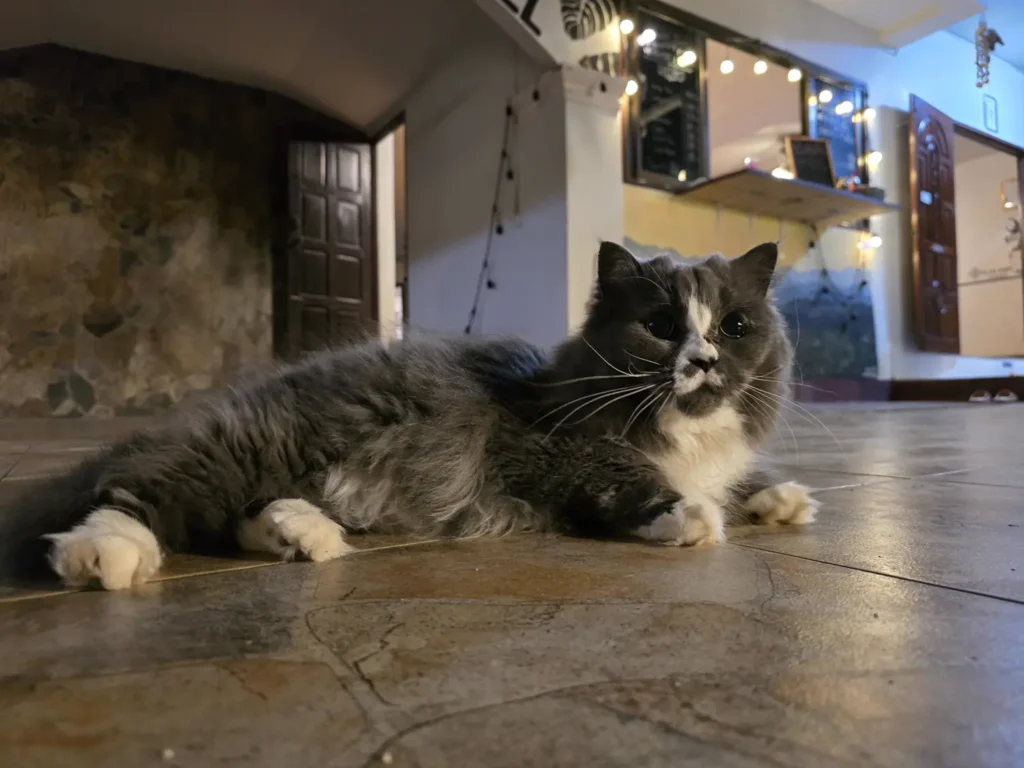
The second temple of the day – located back across the river almost directly opposite – was Wat Pho, highlighted for it’s 4 dedicated temples to the first 4 Kings of Siam (Thailand before 1939). I found this complex more appealing to walk around, with water features and plants all adding to the tranquil atmosphere – less busy than Wat Arun. Cats were dotted all around the place. The temple’s highlight is the reclining Buddha, a 46m long bronze statue that depicts Buddha resting on his side (Buddha was male, right?).
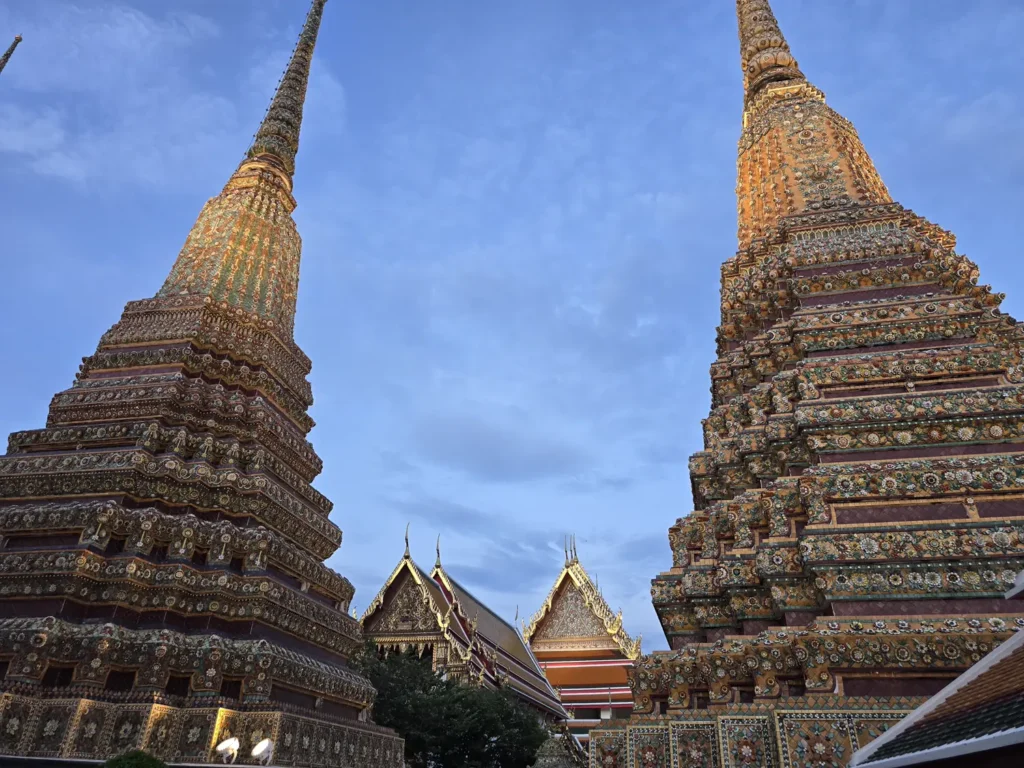
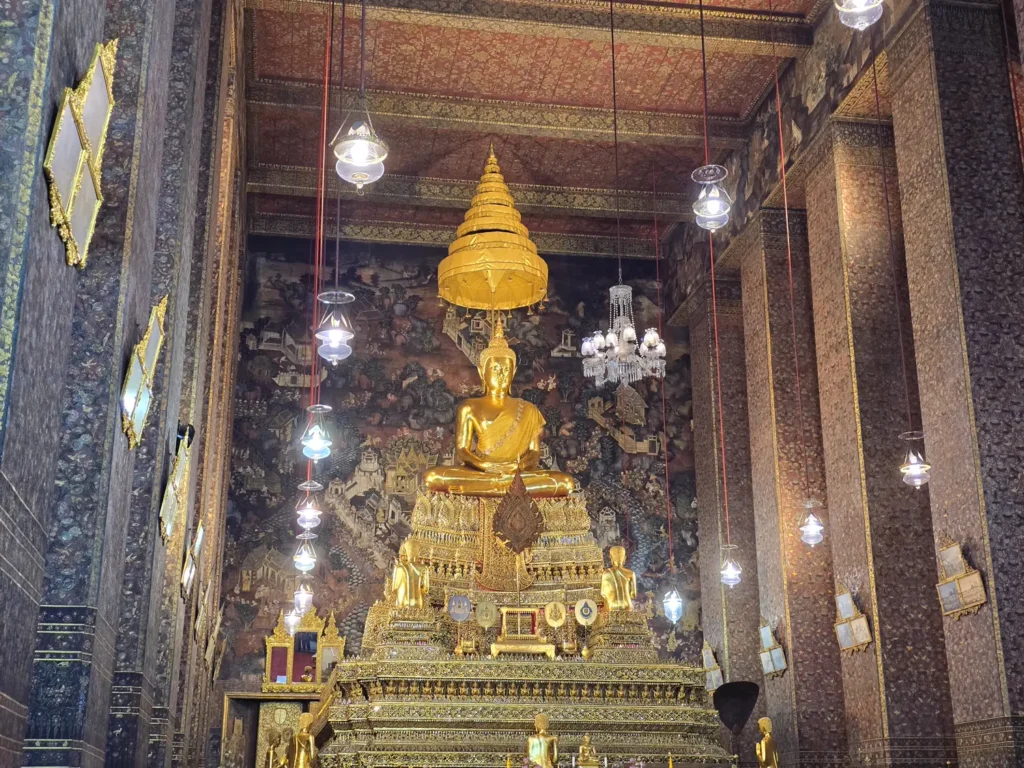
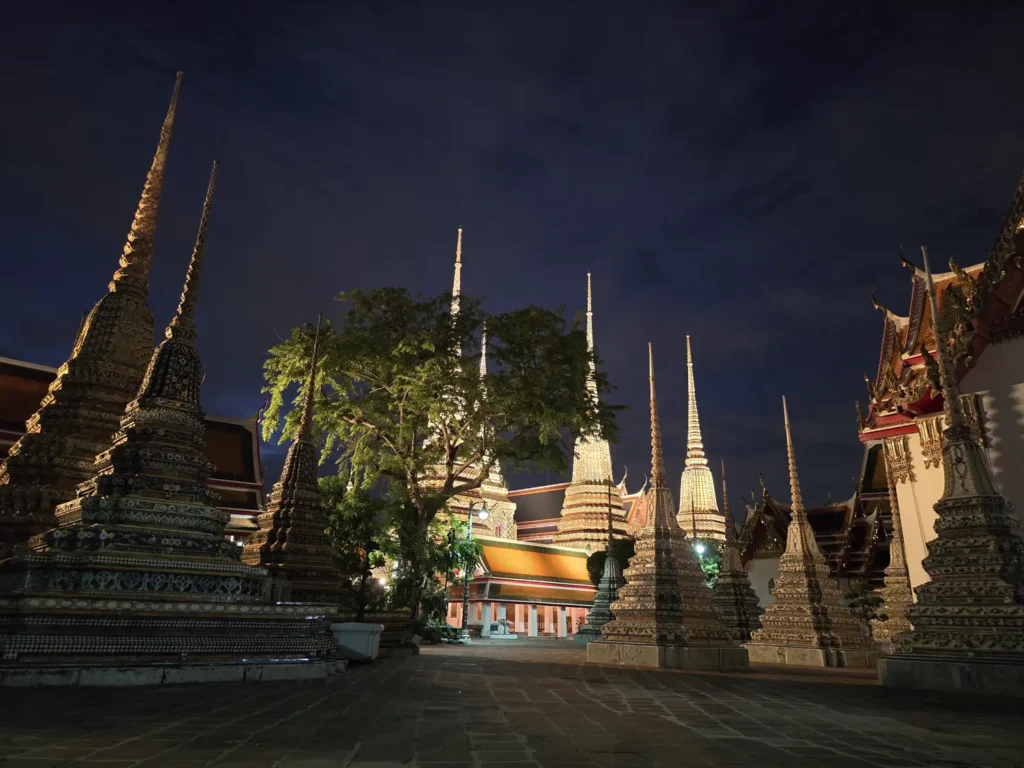
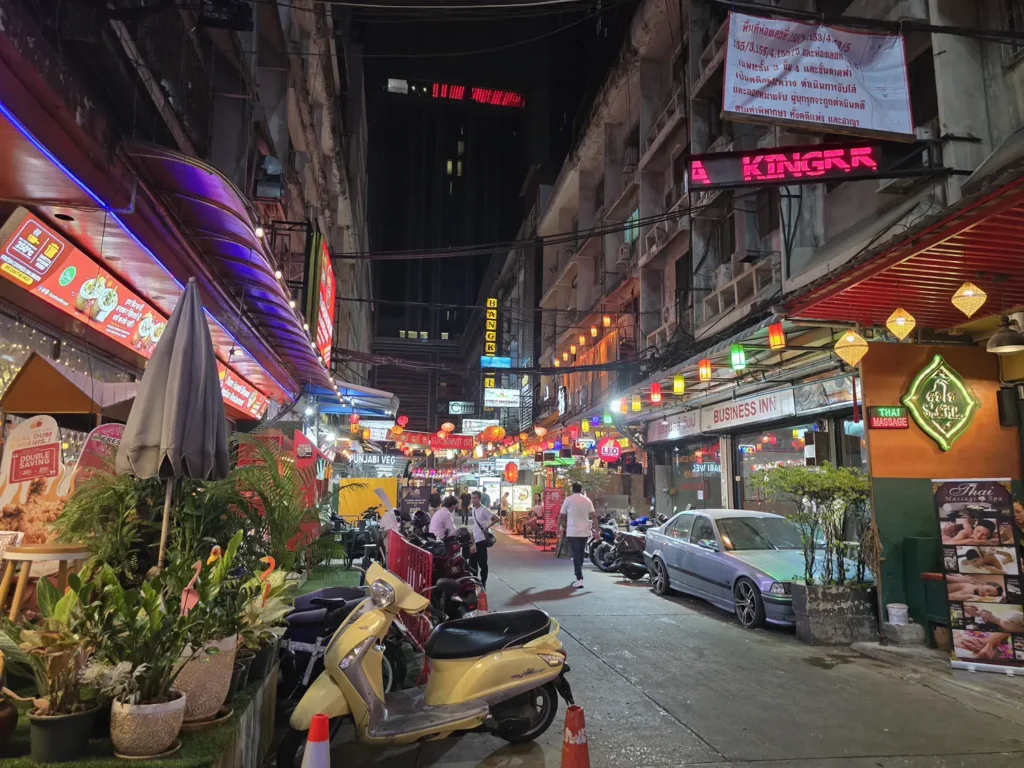
For the evening I ventured to Bangkok’s resident Chinatown – a hot spot for delicious street food of all kinds. Everything is crammed into the sidewalks of a busy main road, so trying to weave in and out of human traffic going in both directions – whilst also trying to see all the food stalls – was a bit tricky. I tried a few small random things before ordering some more noodles in one of the classic alleyway restaurants. I absolutely love the night-time atmosphere here – dense alleyways in a busy Asian city. Everything is just thrown together – the small tables, the plastic stools, outdoor cooking setups in the middle of the crowds.
The Pat Pong night market was nearby, so I took a stroll around as a recommended spot to visit. I expected half of what I found – more busy markets lining the streets. However this is also a spot to find “other entertainment” as I shall I put it – and probably the reason it’s more well known.
The prevalent sex trade in Thailand is no secret, and you only have to walk for 5 minutes around an area like Sukhumvit to realise that much of the nightlife involves numerous forms of sex entertainment venues. What did surprise me still were the shear number of venues in this industry, with one particular spot (Nana Plaza) resembling some sort of outdoor shopping mall with multiple floors of bars and clubs – all shrouded in endless neon lights. Inside – an equally high number of (usually) young girls on the stages. It almost feel depressing to think that this is the best way for young people to make money in the country. But it’s hard to know if Thai people see this as a bad thing, of it’s simply a part of their culture.
For reasons good or bad, it’s an experience – and I don’t think I’d be doing anyone any favours by telling them to simply avoid it (unless you just like being asleep in bed by 8pm).
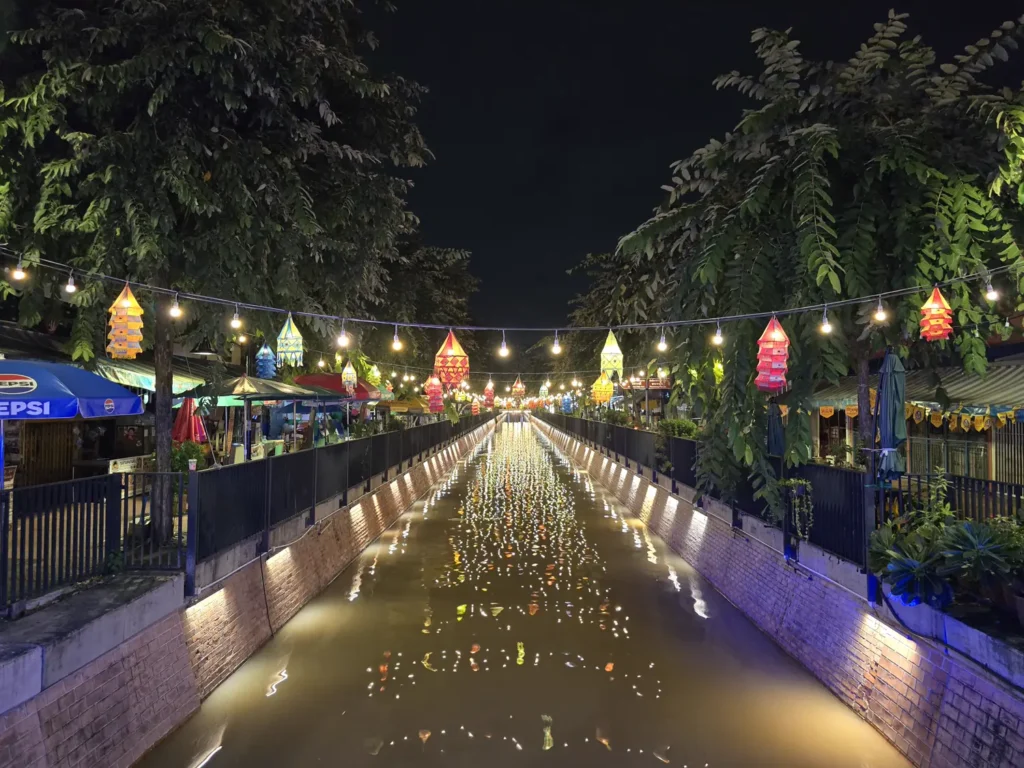
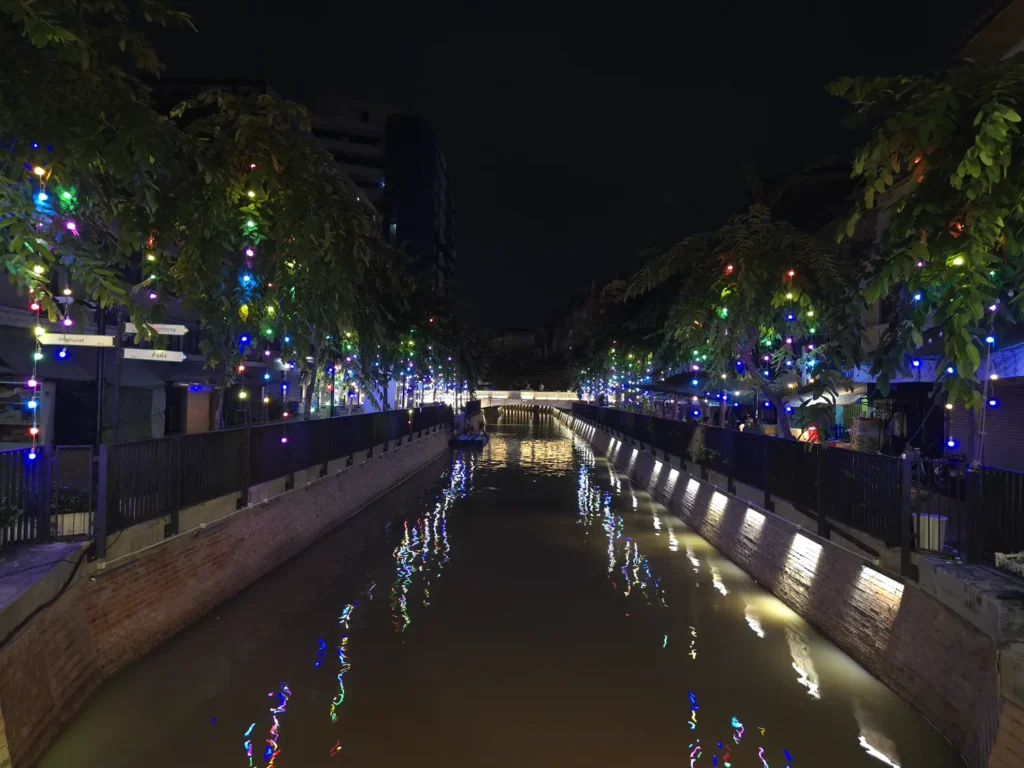
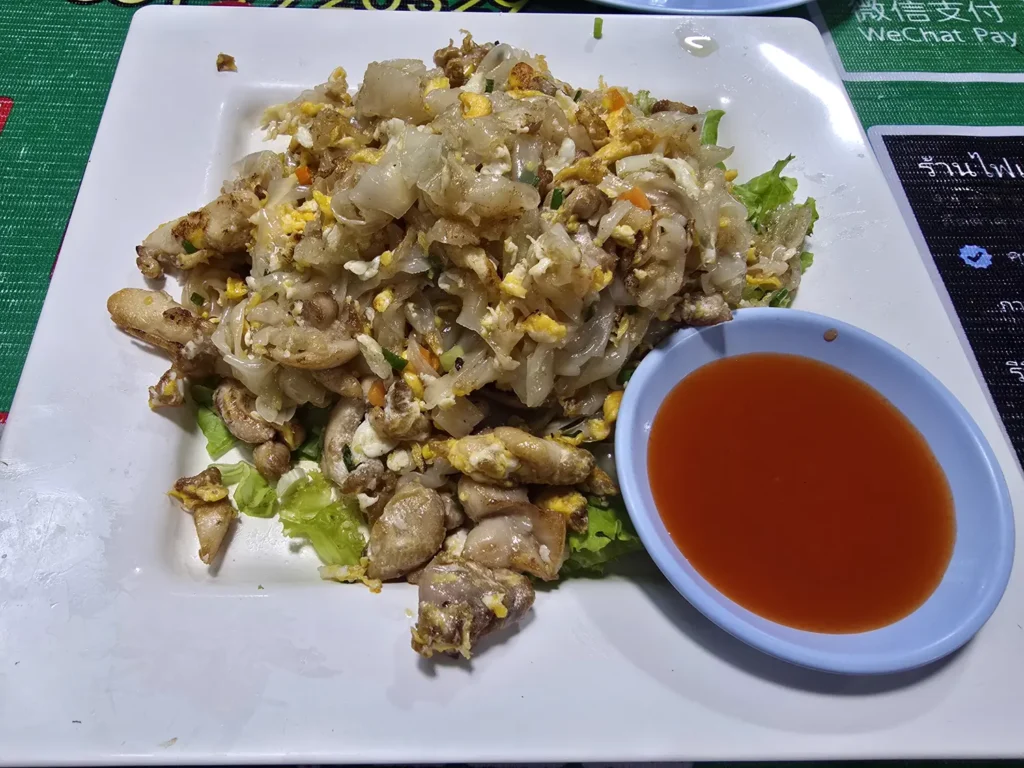
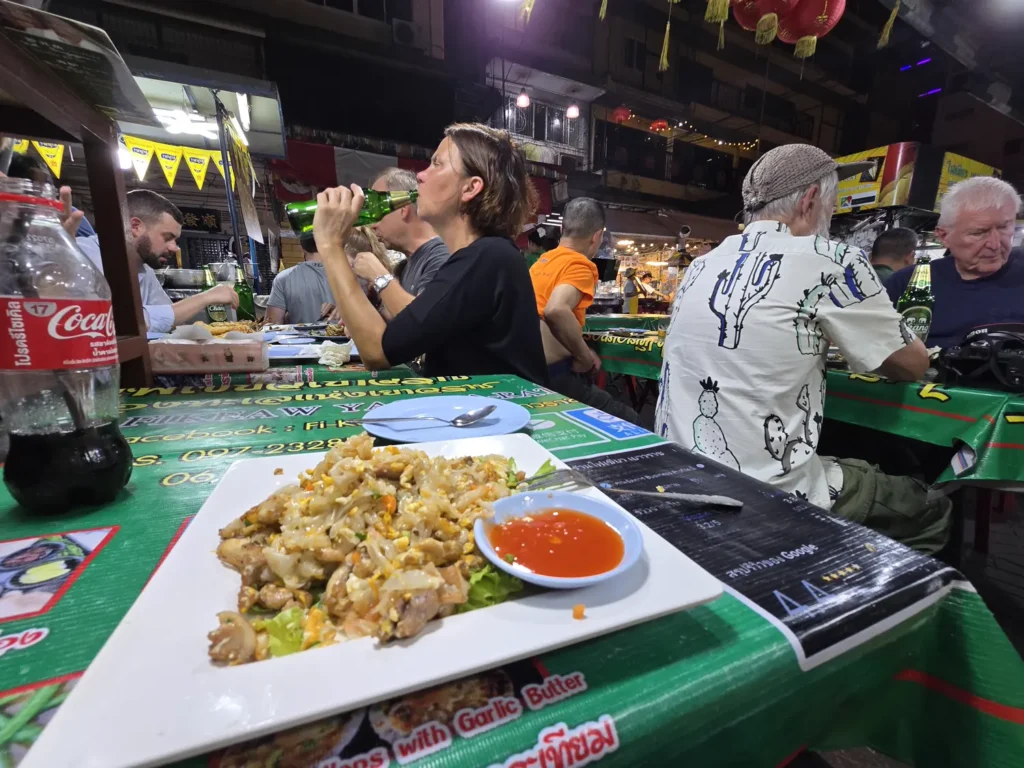
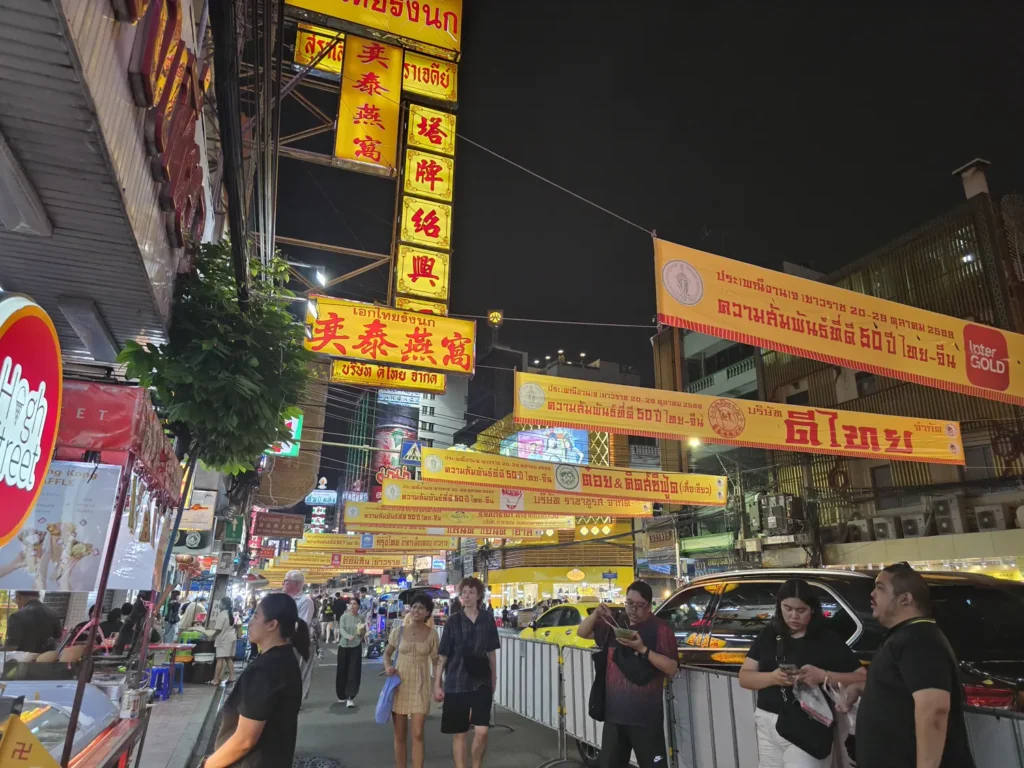
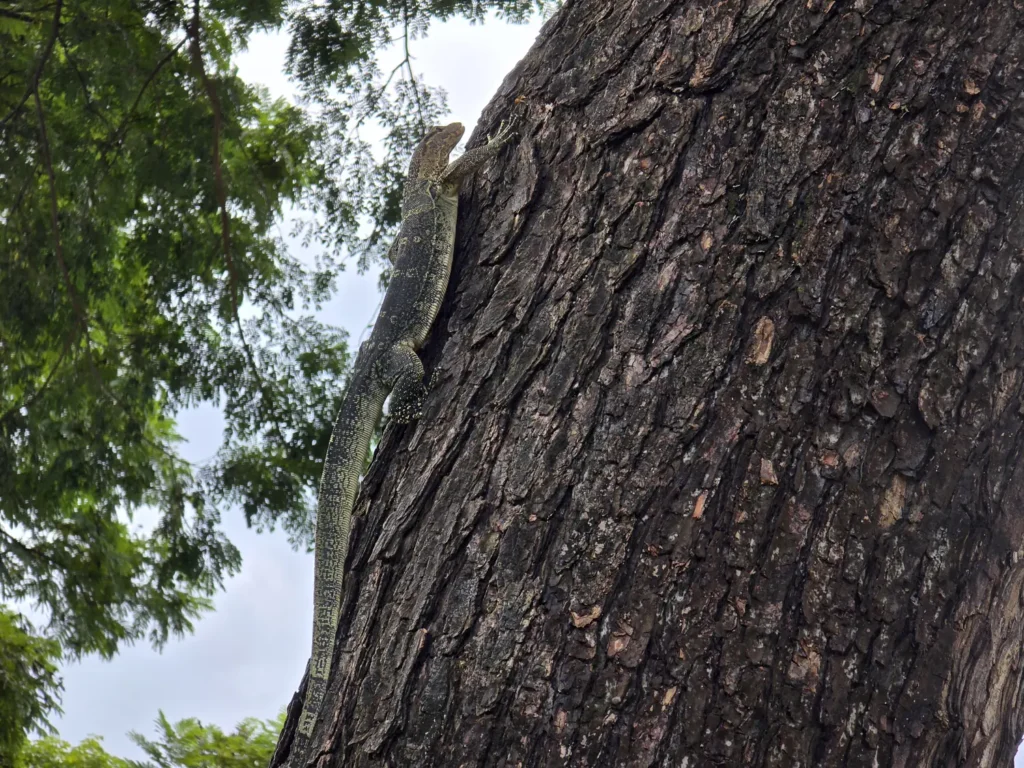
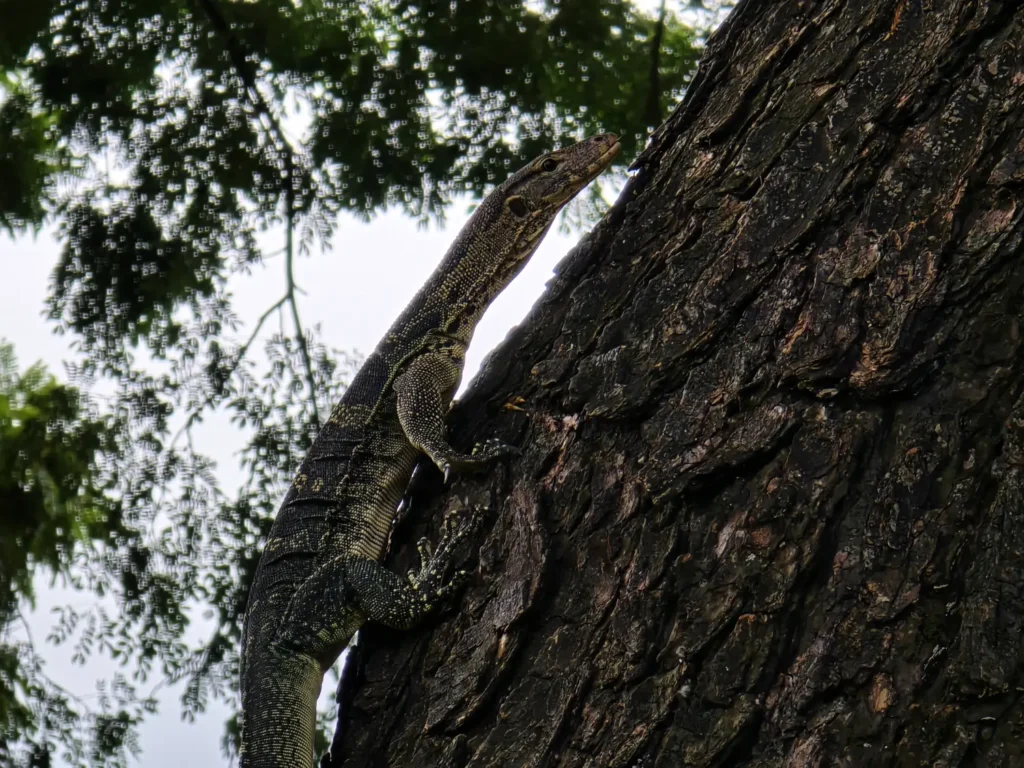
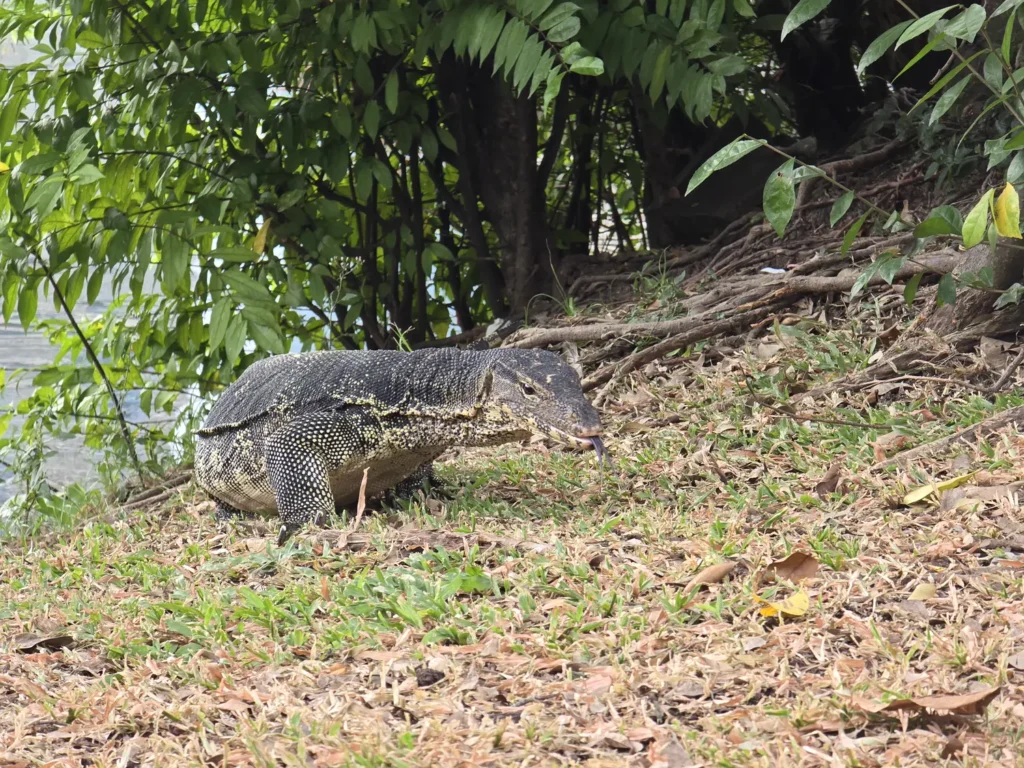
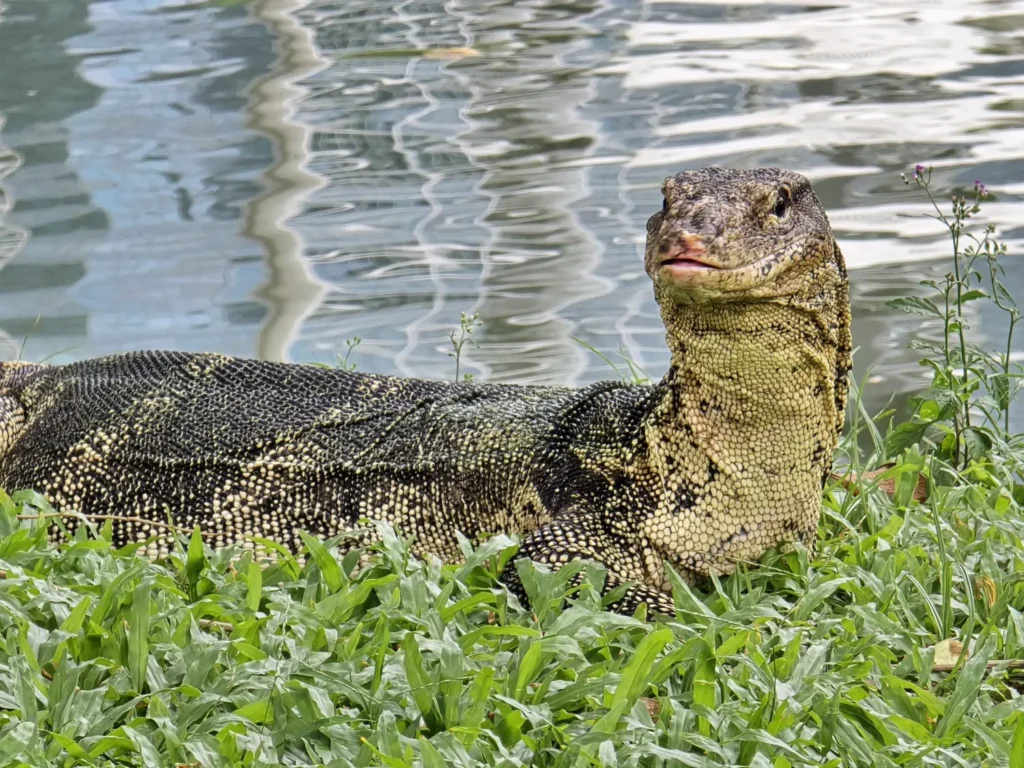
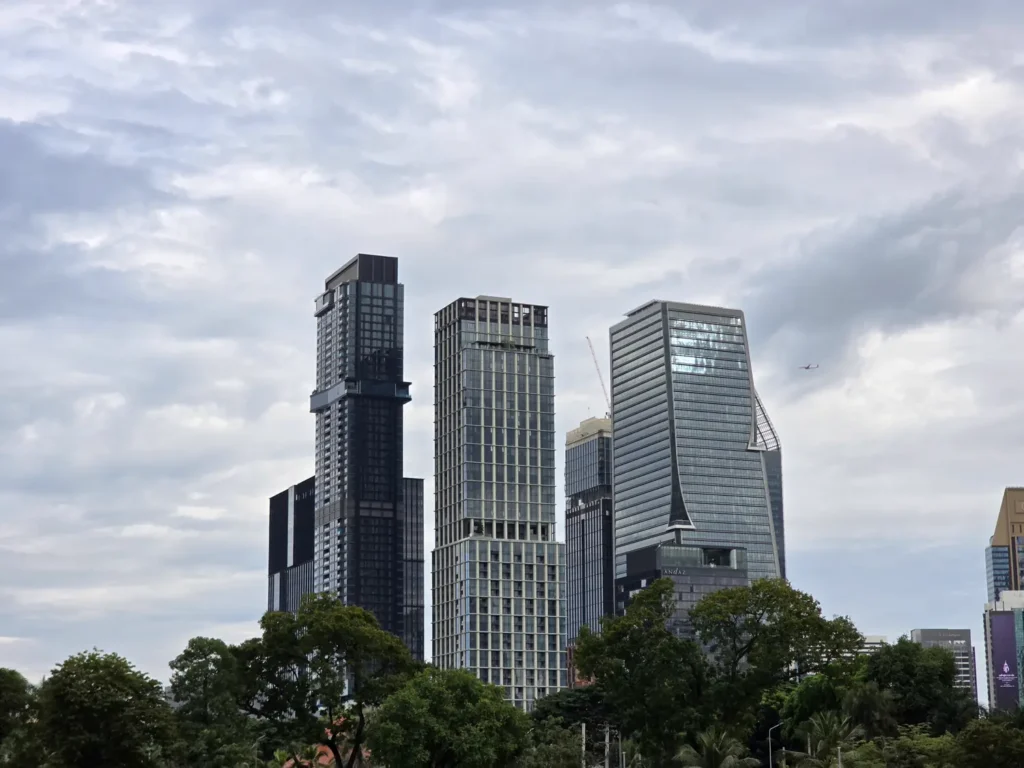
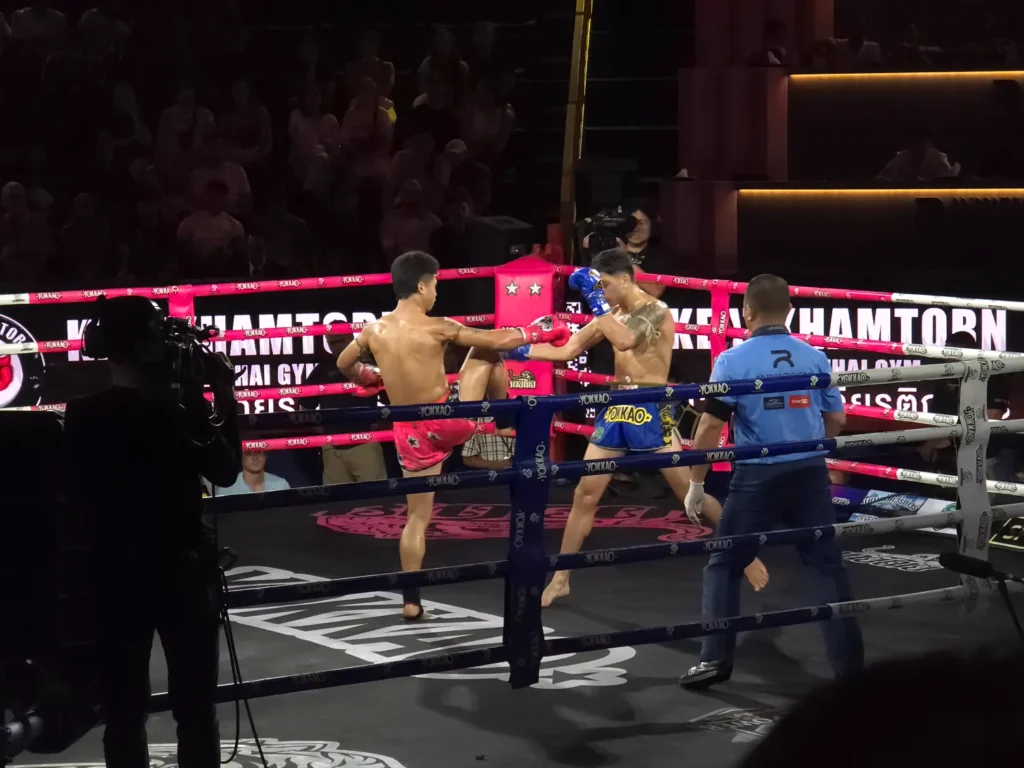
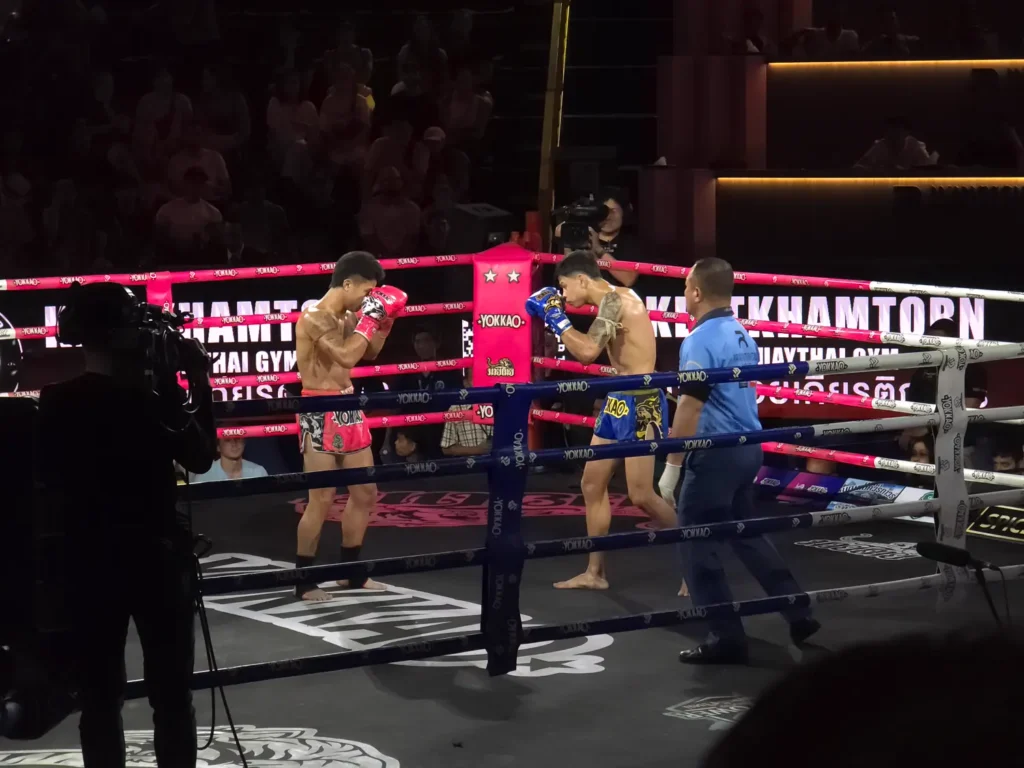
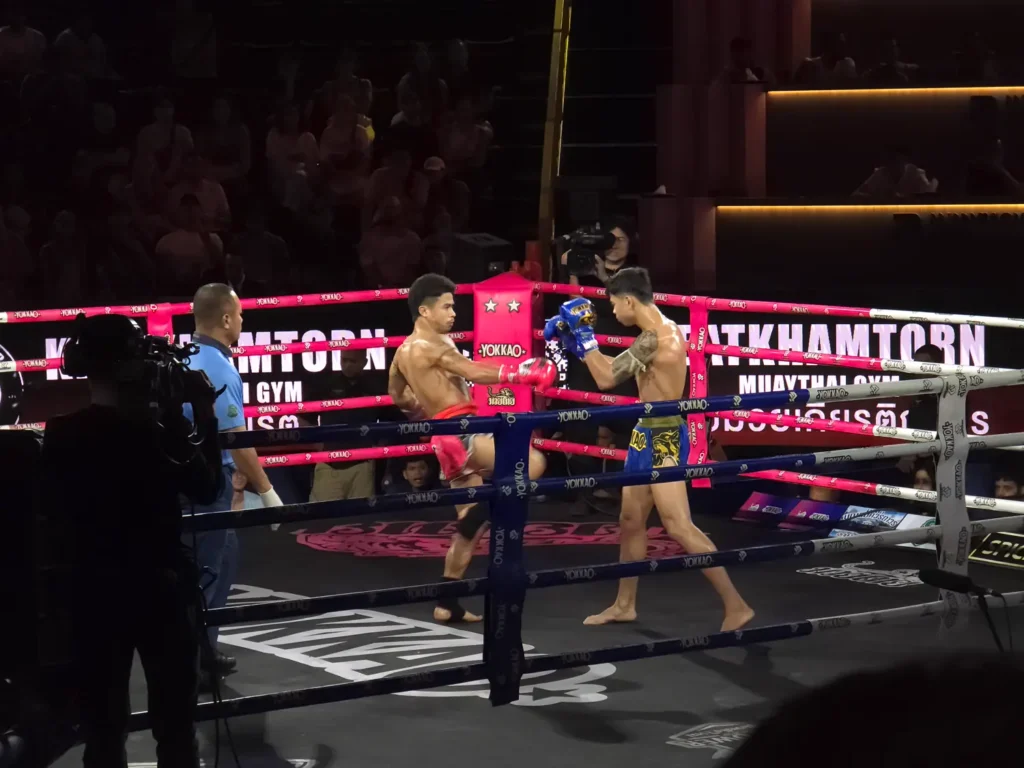
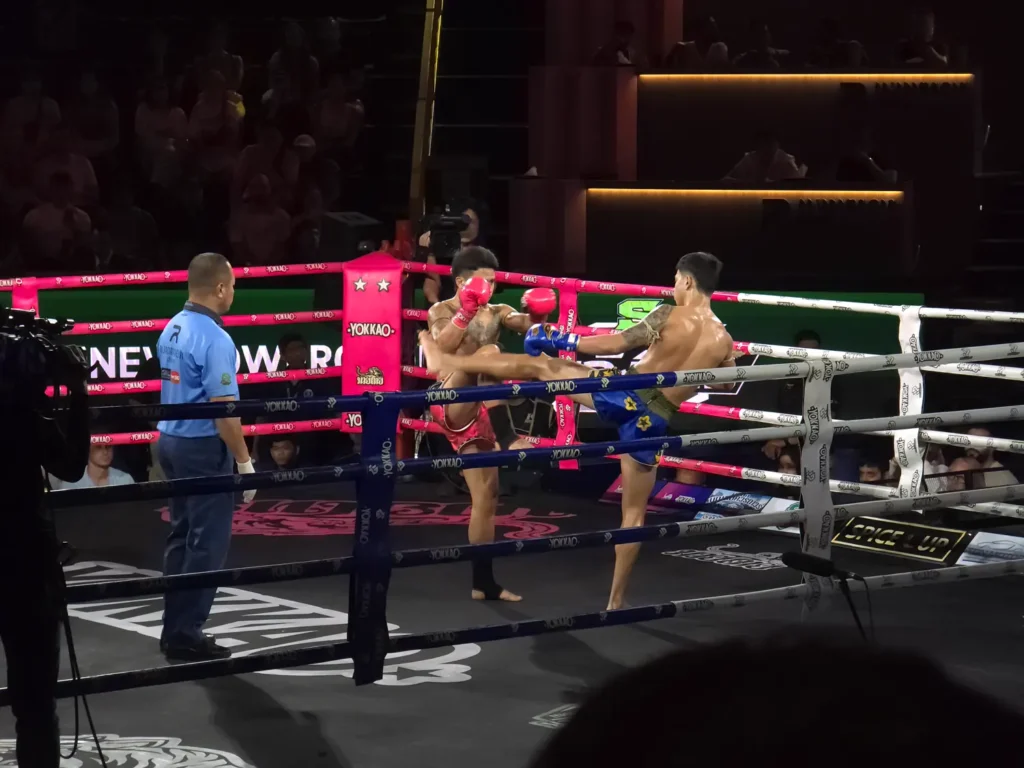
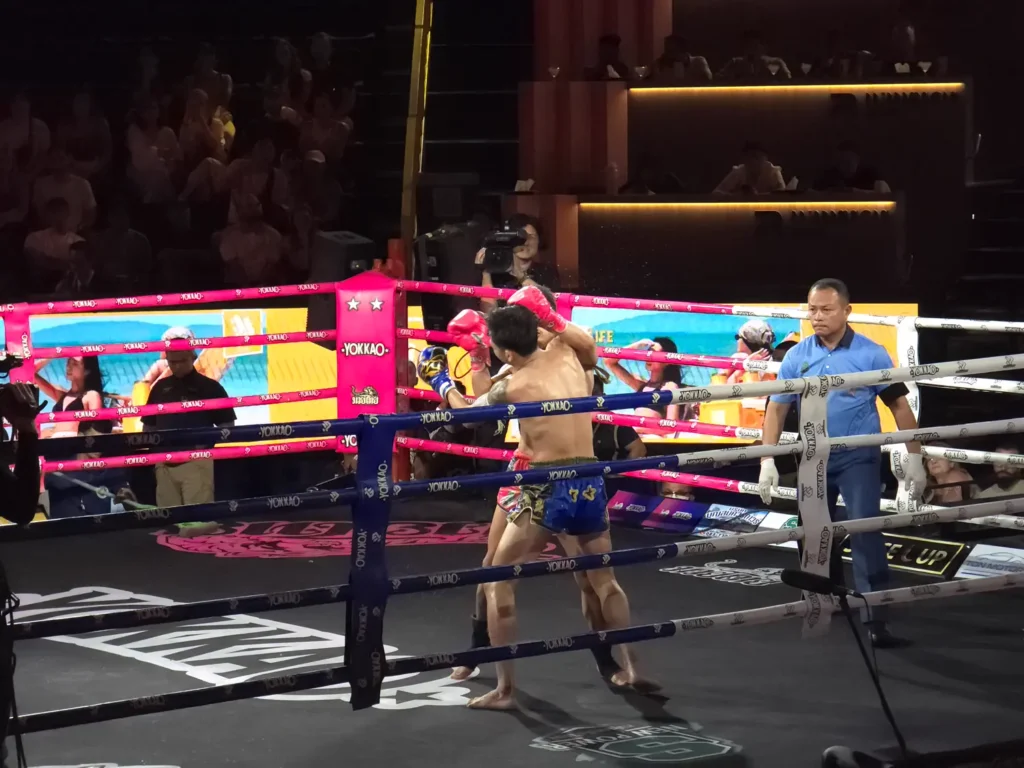
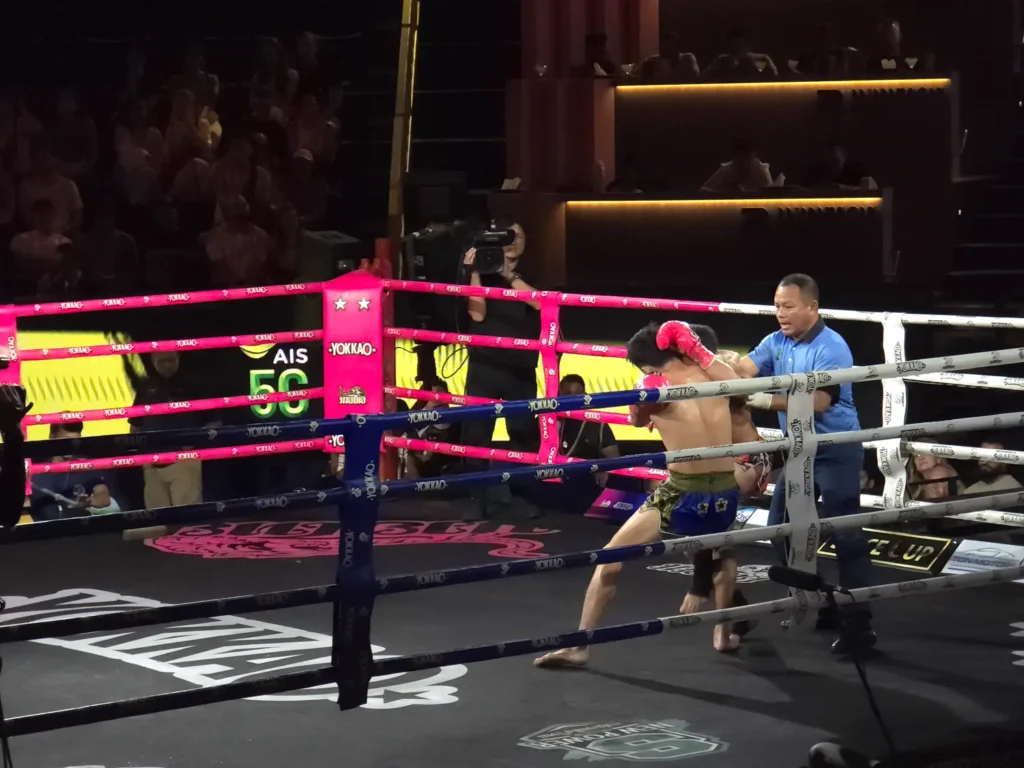
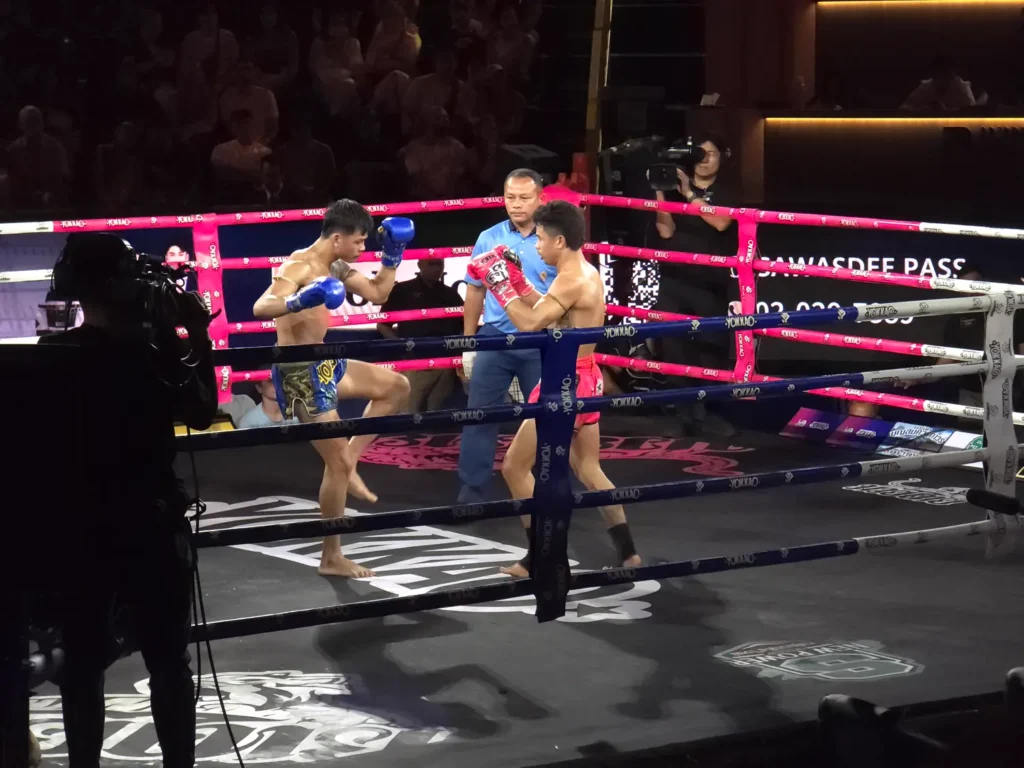
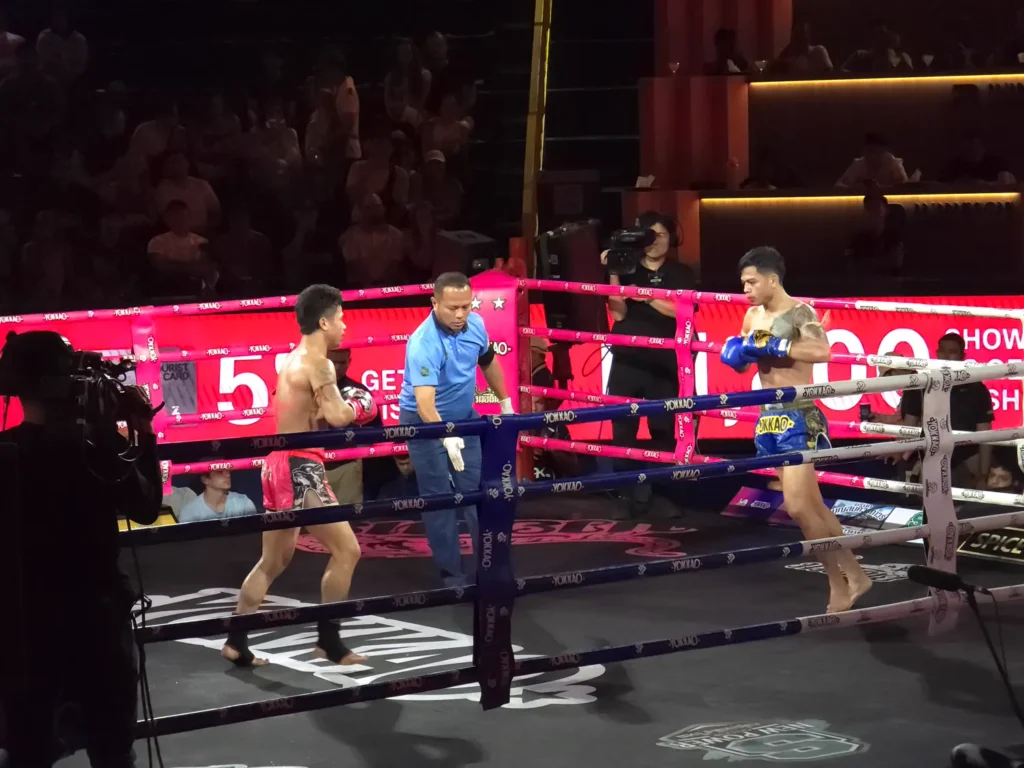
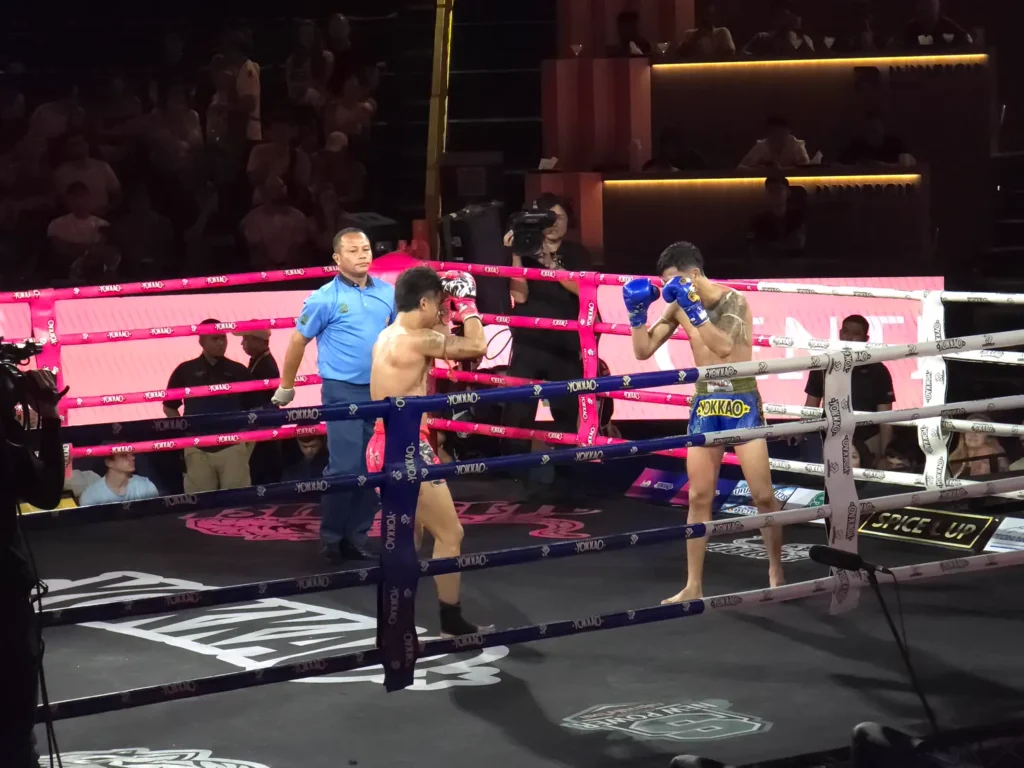
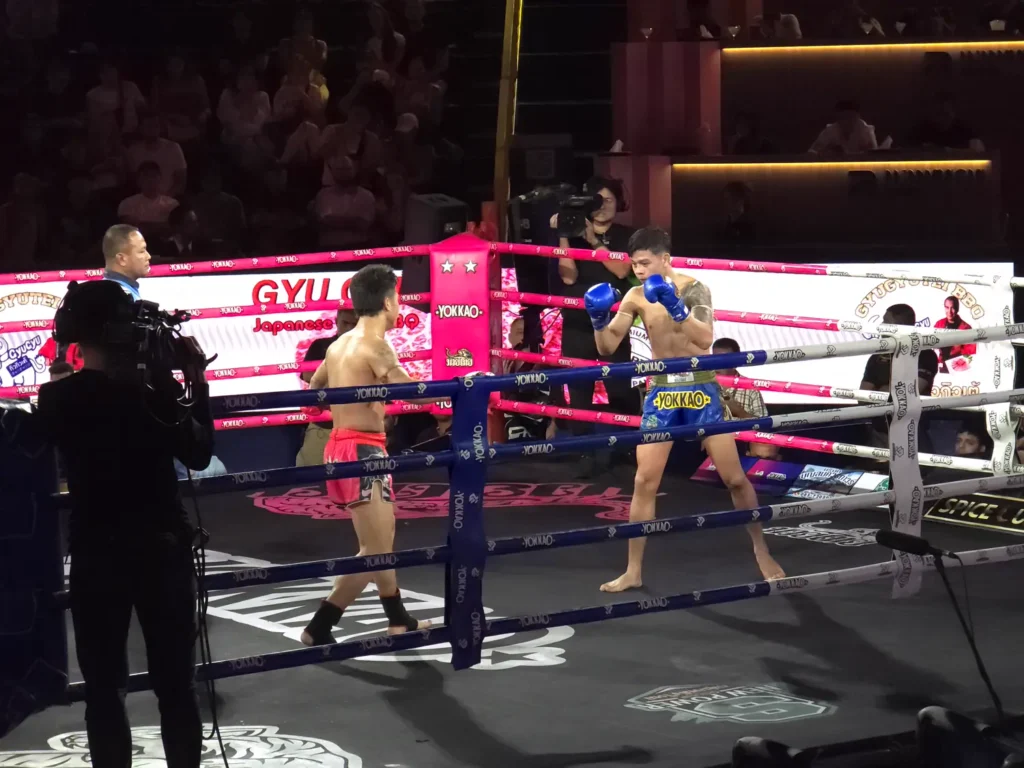
Wednesday was my last full day in Bangkok, and an apparent must-do in Thailand is seeing an action-packed battle of limbs in a renowned Muy Thai match. Bangkok has its own dedicated stadium for the country’s national sport, and it was going to be evening full of entertainment. Before that though, I spent the afternoon walking around Lumphini Park – spotting numerous Asian Water Monitors (big lizards) around the edges of the lakes. The large open space is certainly a contrast to the sheer density and chaos of Asian cities (although I guess most capitals are the same).
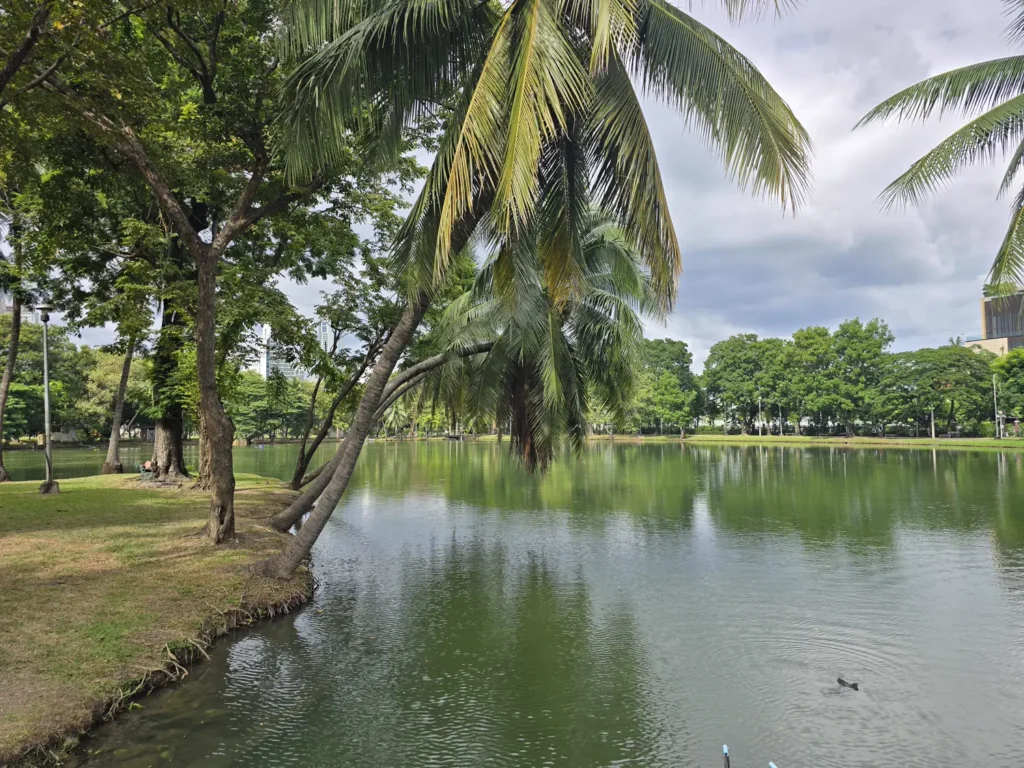
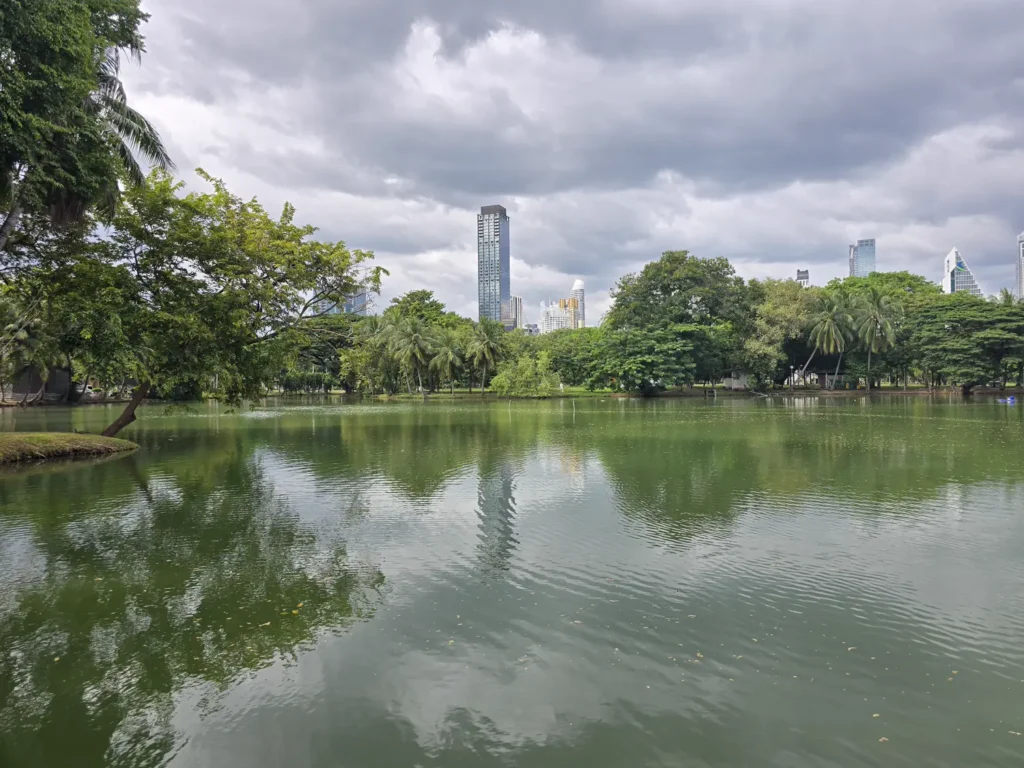
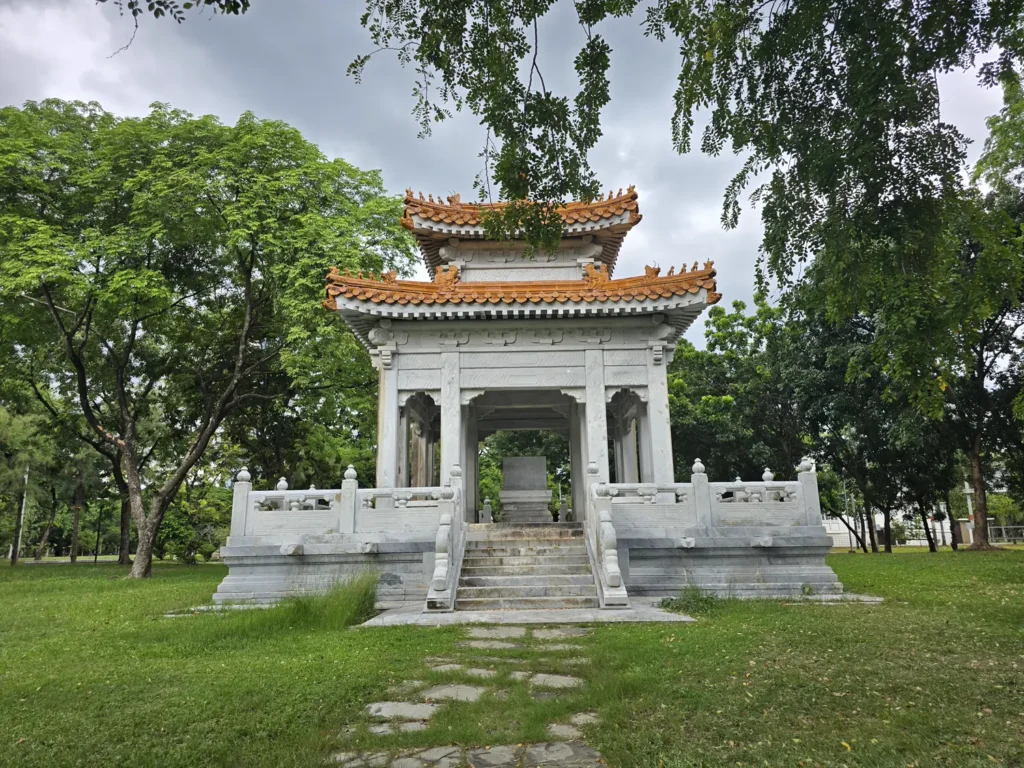
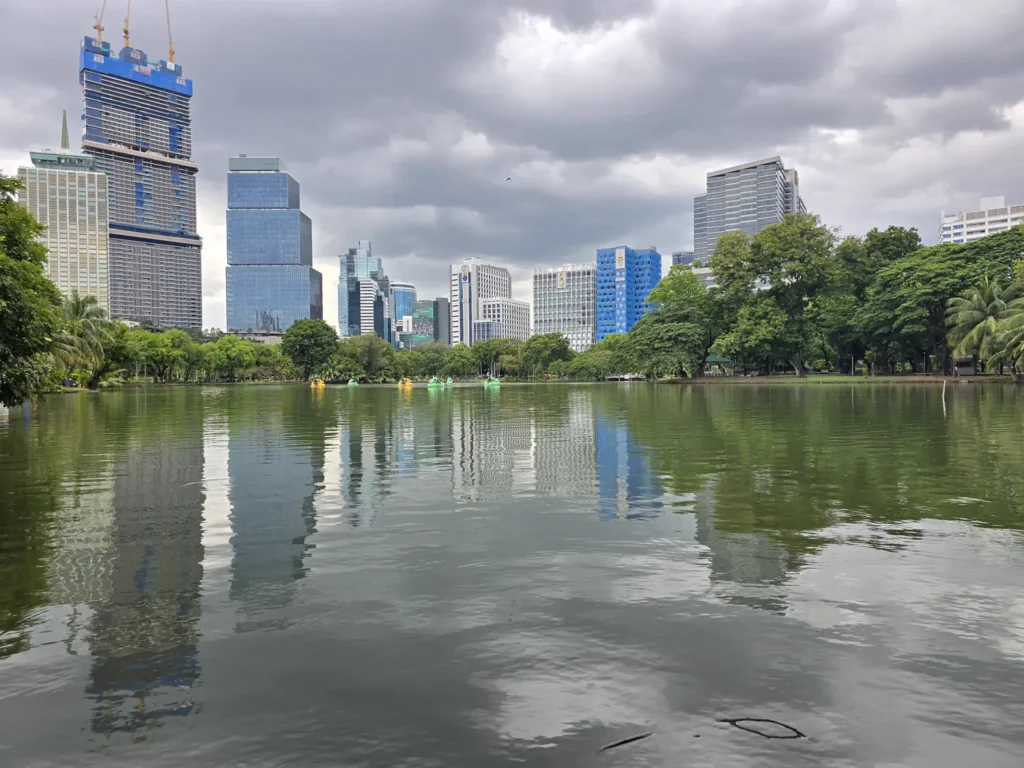
After a spectacular panang (red) thai curry in Khao San road, I headed for Rajadamnern Stadium. It was mid-week and not packed to the brim, so finding a seat on the benches was easy – although not necessarily comfortable for over 2 hours.
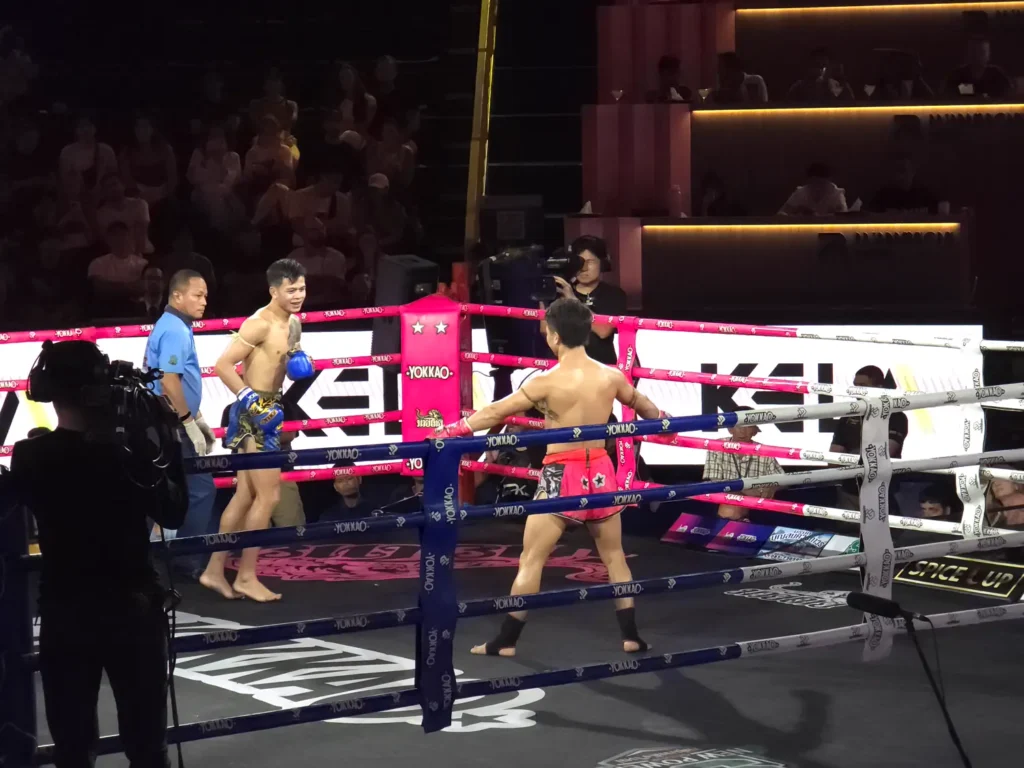
I’d never watched Muy Thai before – even on a video – so I didn’t know what to expect. The contesters for the evening certainly looked of the younger bracket, so I imagine that different ranks of the sport are held on different nights. A typical Americanesque announcer introduced each fighter into the ring before the match started.
Muy Thai is known as the art of 8 limbs, and incorporates hands, legs, elbows, knees and shins. From the start it looks much more like kickboxing, with opponents keeping a steady distance until striking. It can certainly get messy and often these guys move so quicky you can’t tell what’s actually happened. The one knockout match I saw ended with one guy elbowing the other across the face, and I had to watch it back on my phone in slow motion to tell what had happened.
There is an obvious cultural and spiritual element to the sport, and the contesters were all very respectful to each other and the sport itself – whoever came out on top. It made for a great atmosphere – and I imagine I’d gone a quieter evening. A fully packed stadium with matches between the elites would certainly be something to witness.
Chiang Mai
I spent the rest of the night at the bars, flying to the northern regions the next day – a new area for me. I arrived in Chiang Mai in the early evening and had a bit of time just to scout out the area. Despite still being Thailand’s second largest city, the difference in the atmosphere (from chaotic city to relatively calm and quiet area) was surprising. This was the central “ancient city” and is definitely not the entirety of Chiang Mai, so that was worth considering. By the time the Sunday night market came around, I’d lose that “calm and quiet” impression.
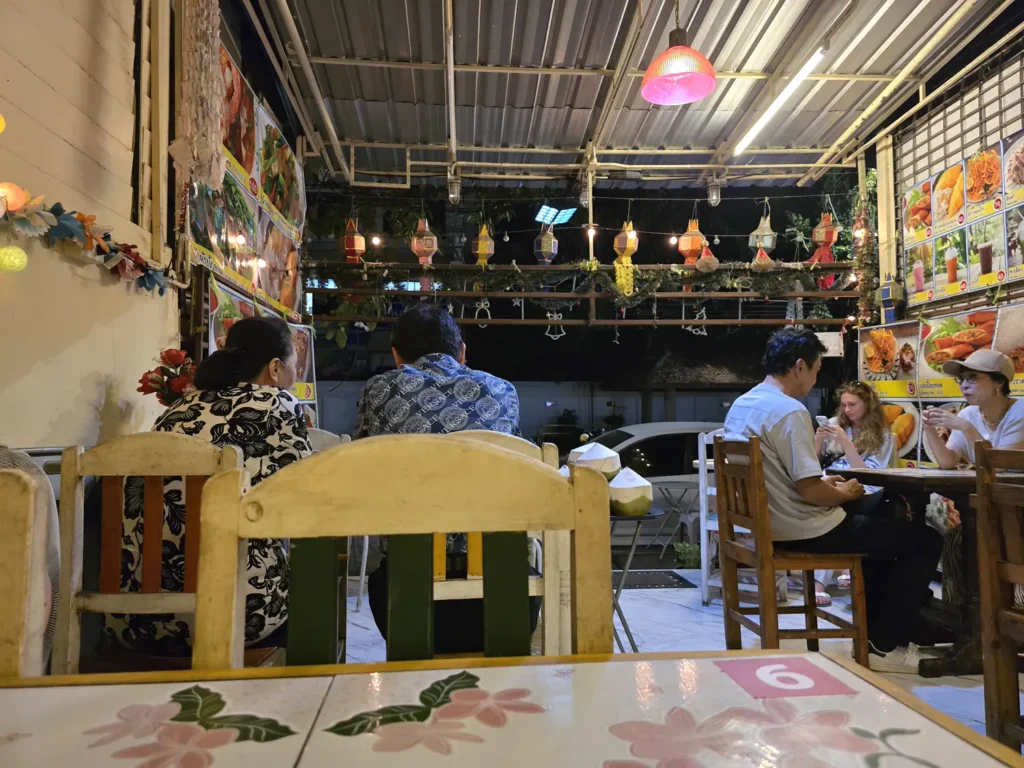
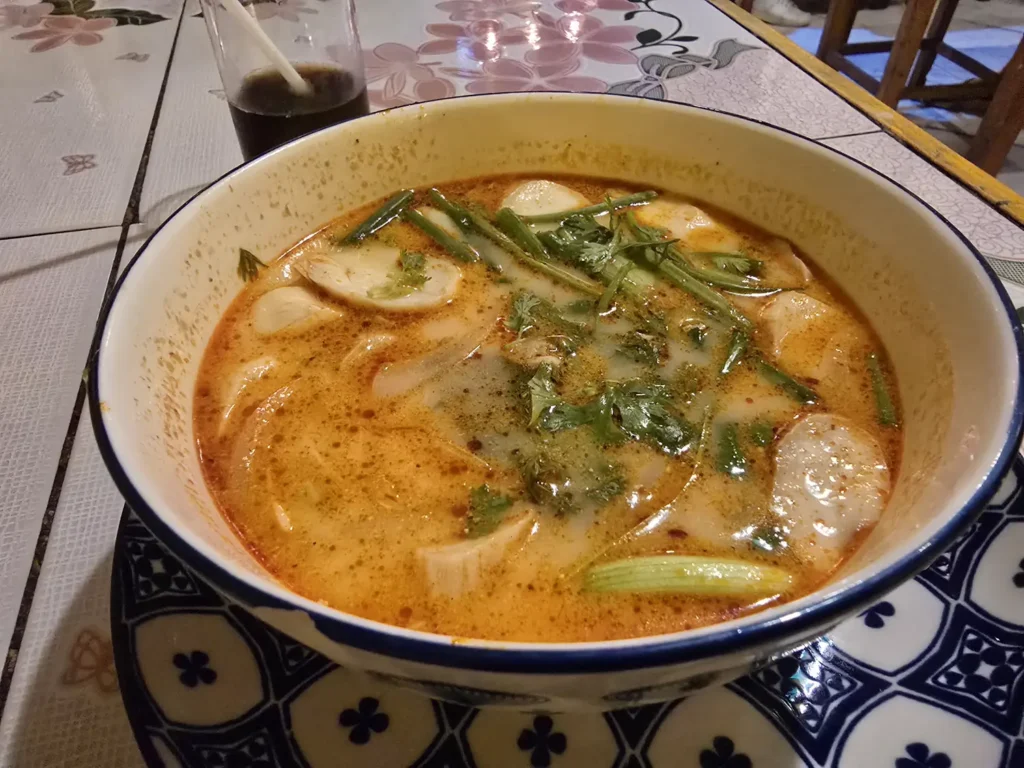
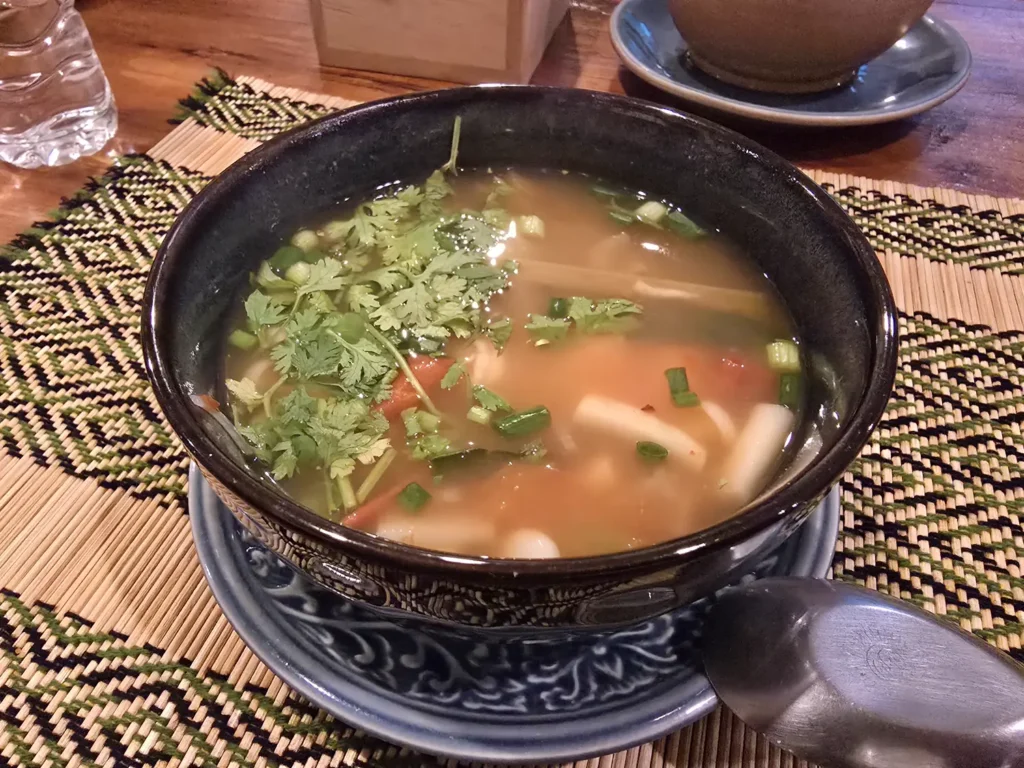
I found a little restaurant and tried out a Tom Yum Kung – a spicy Thai soup with shrimp. Absolutely outstanding, reinforcing the belief that Thailand would turn out to be the foody capital of all my travels. I was staying at the Islander Hostel – a very social place that did daily excursions and events (perfect for me who likes to go out and do his own thing most of the time…)
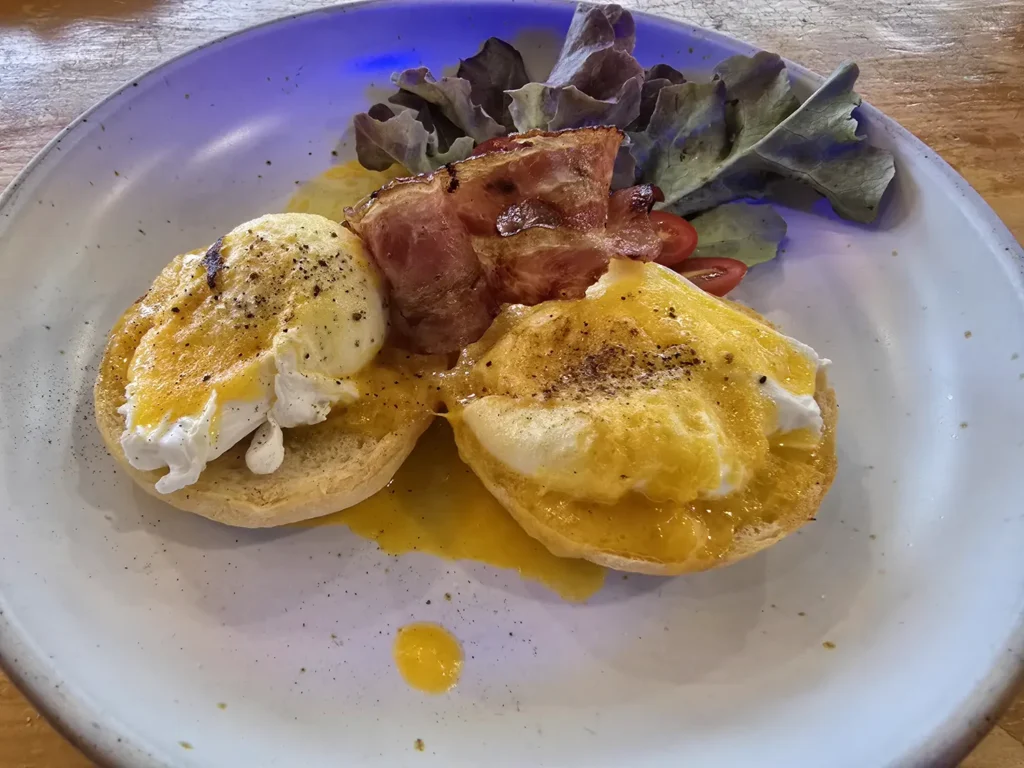
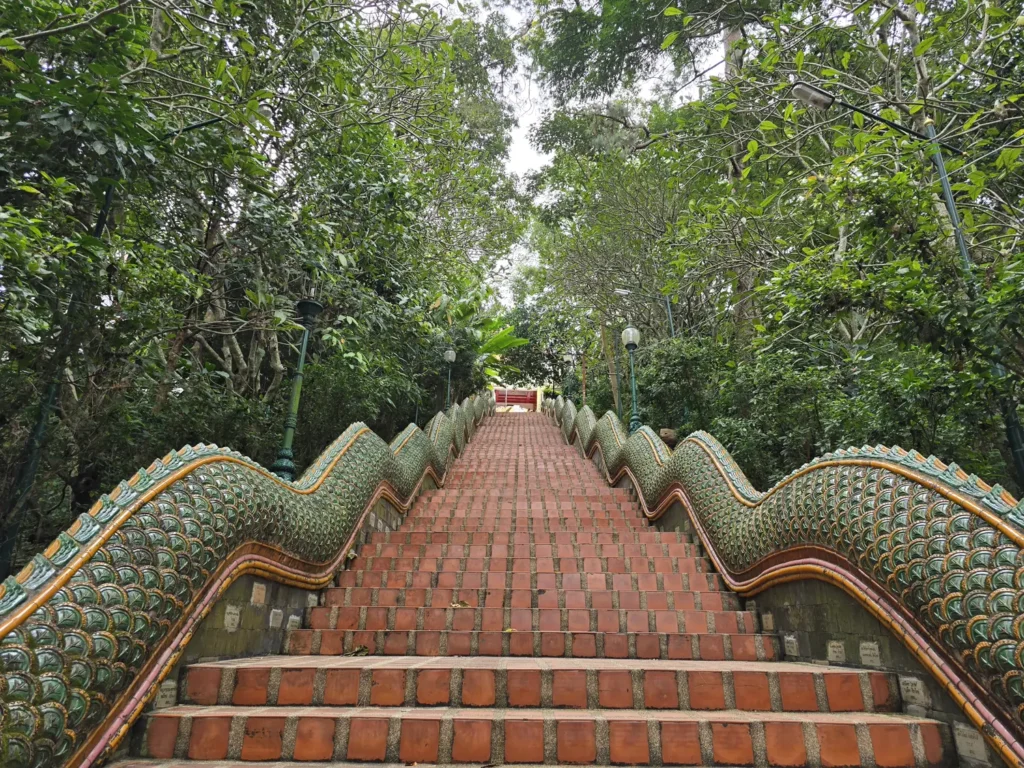
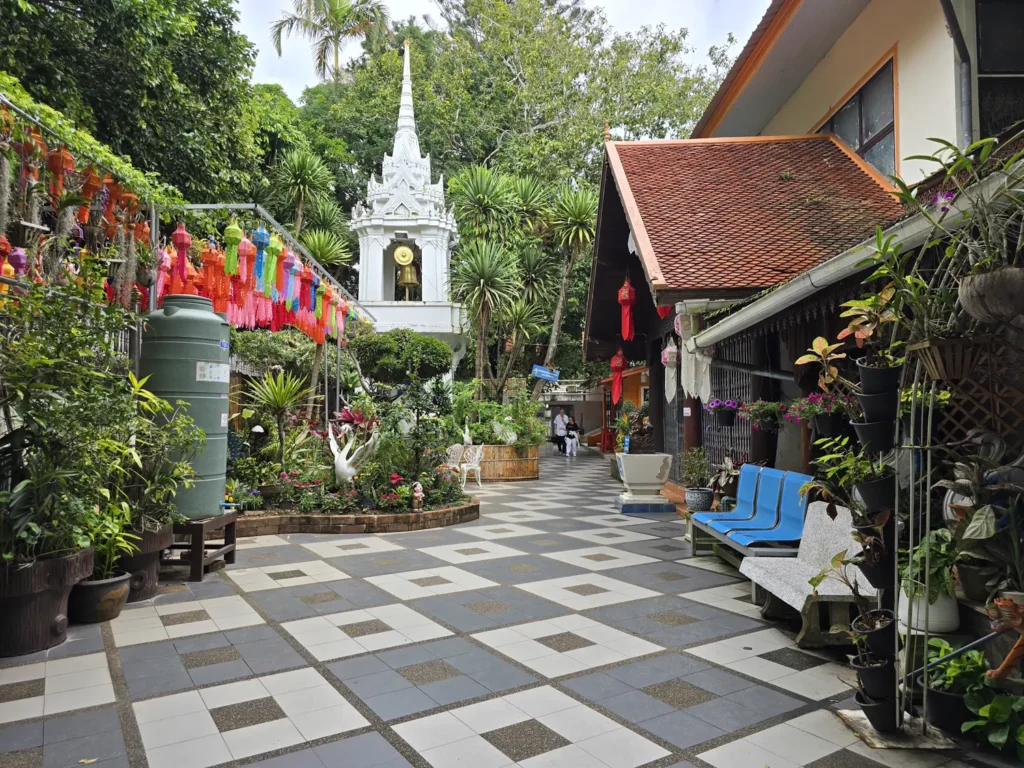
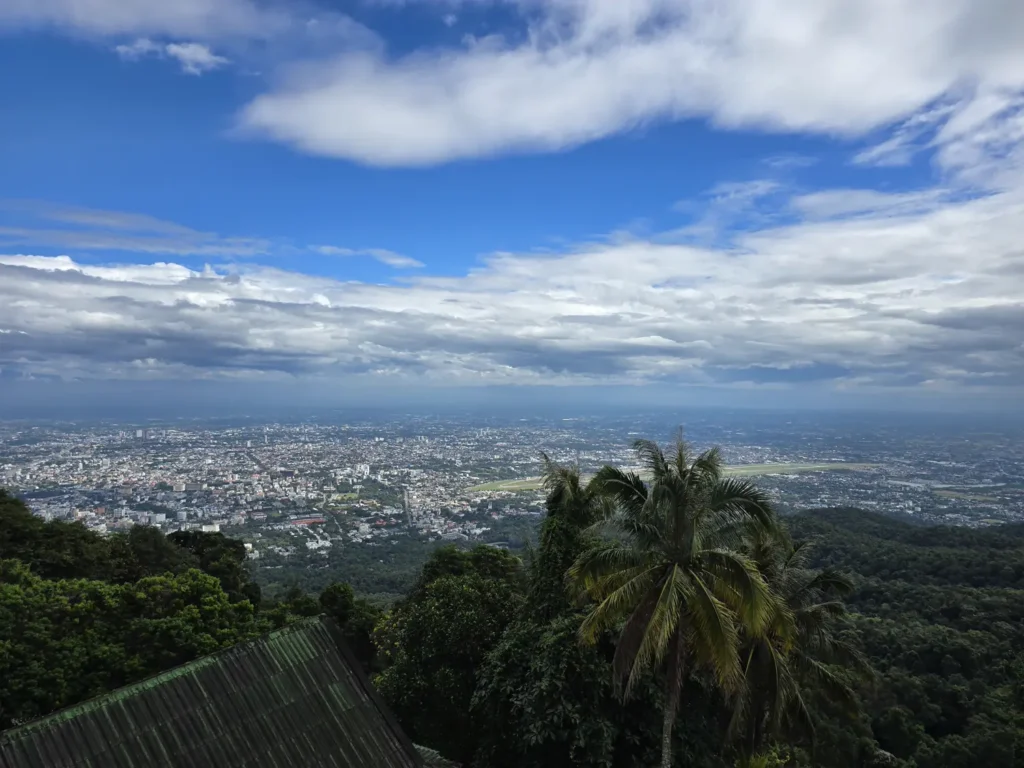
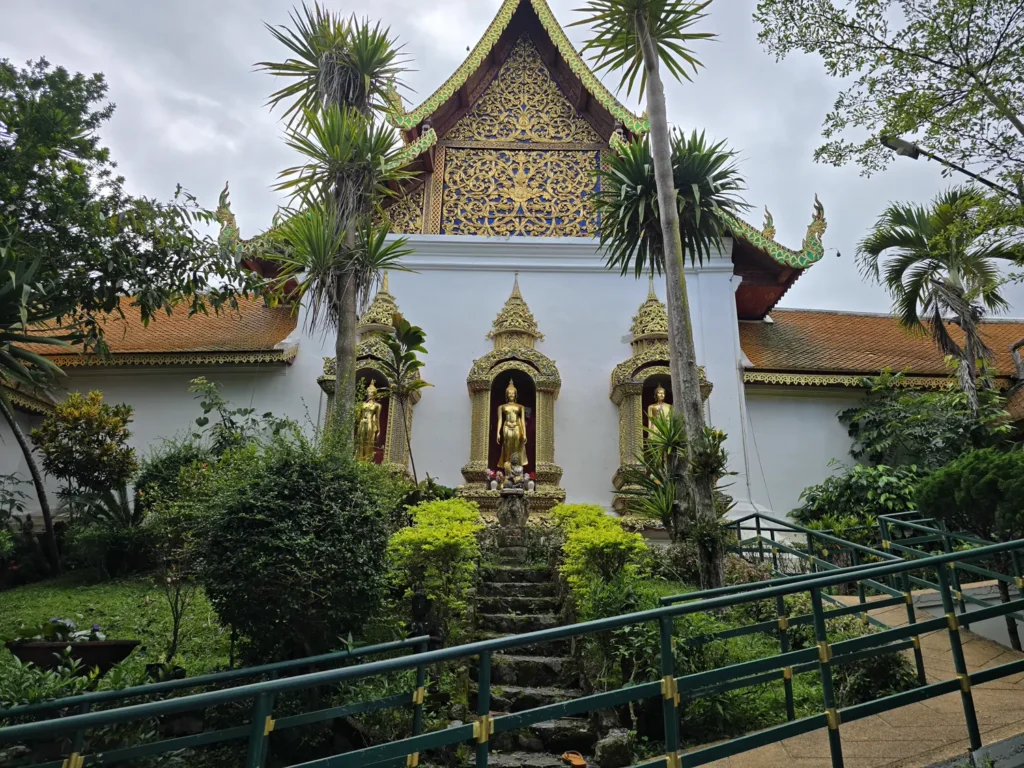
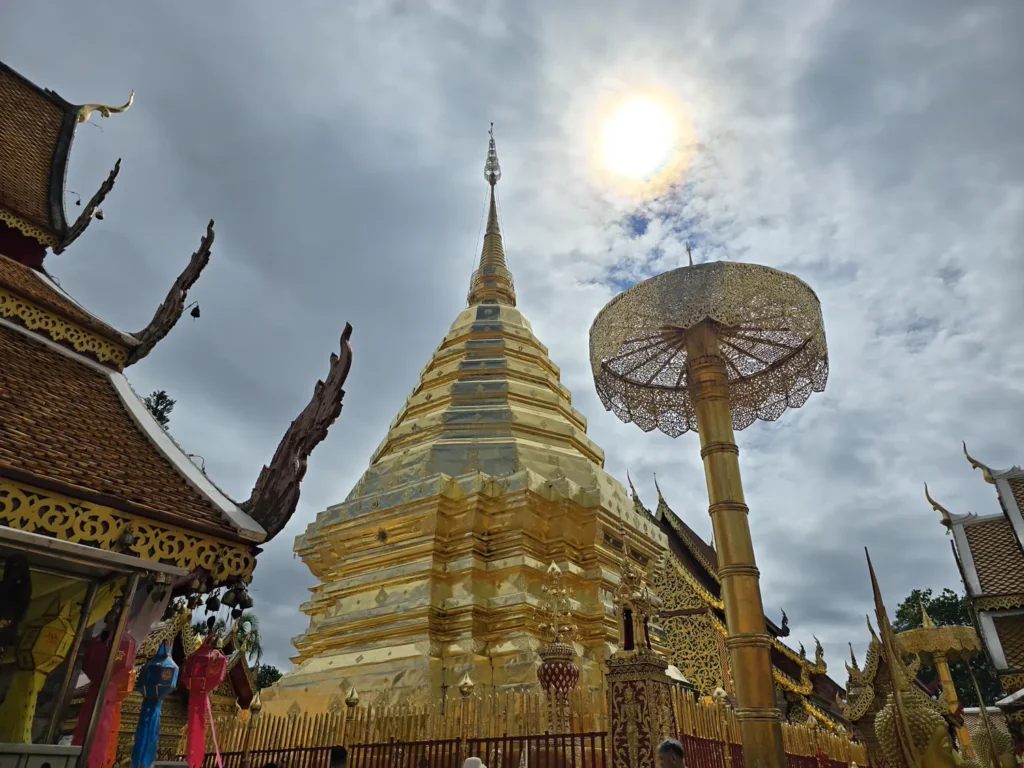
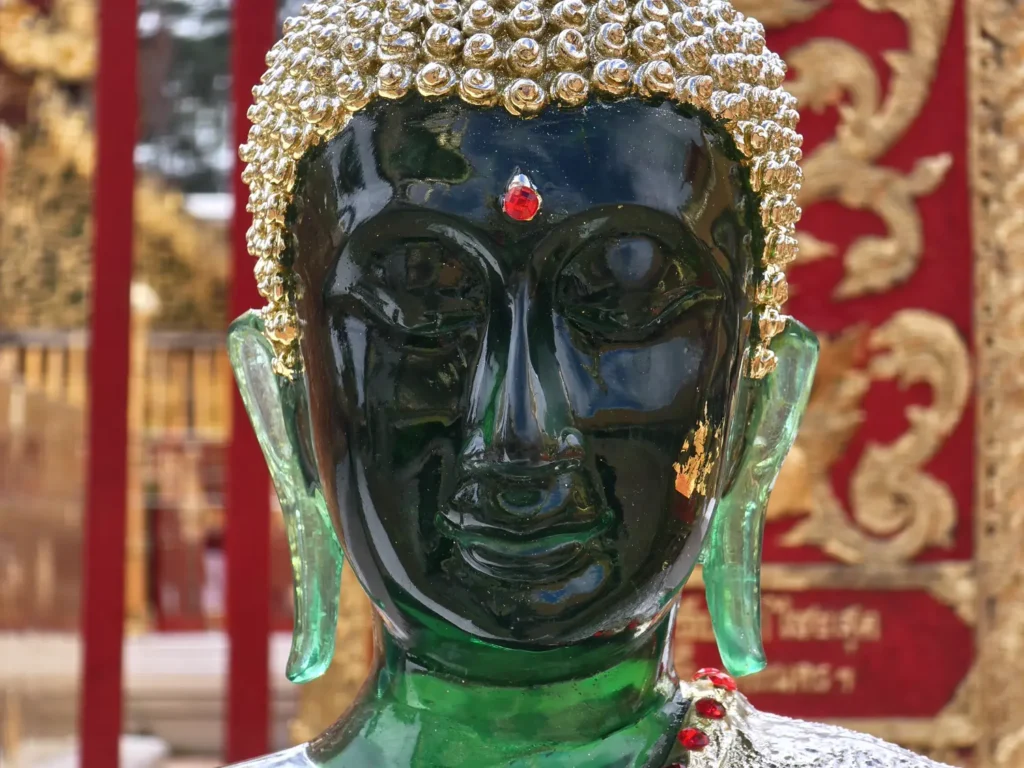
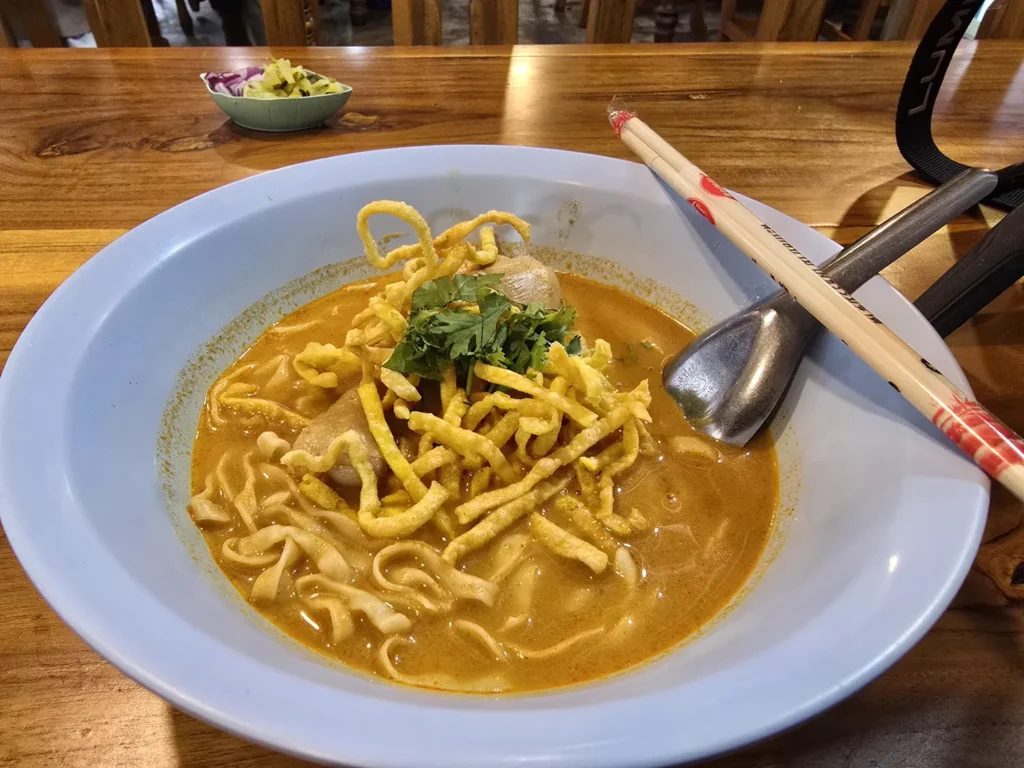
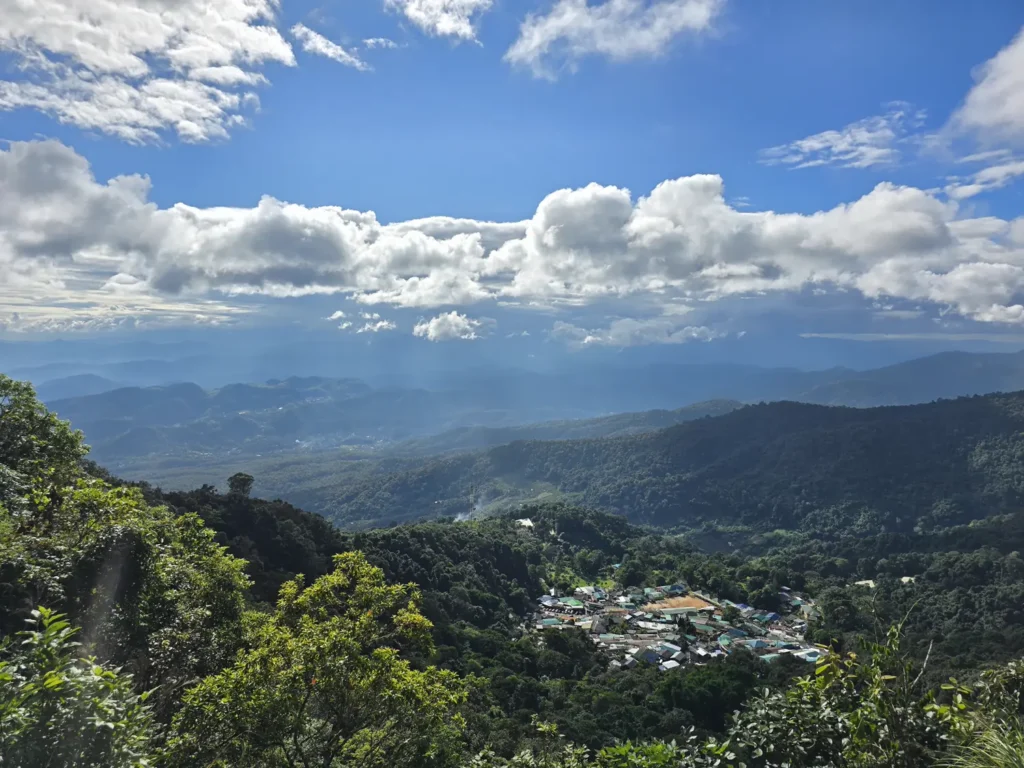
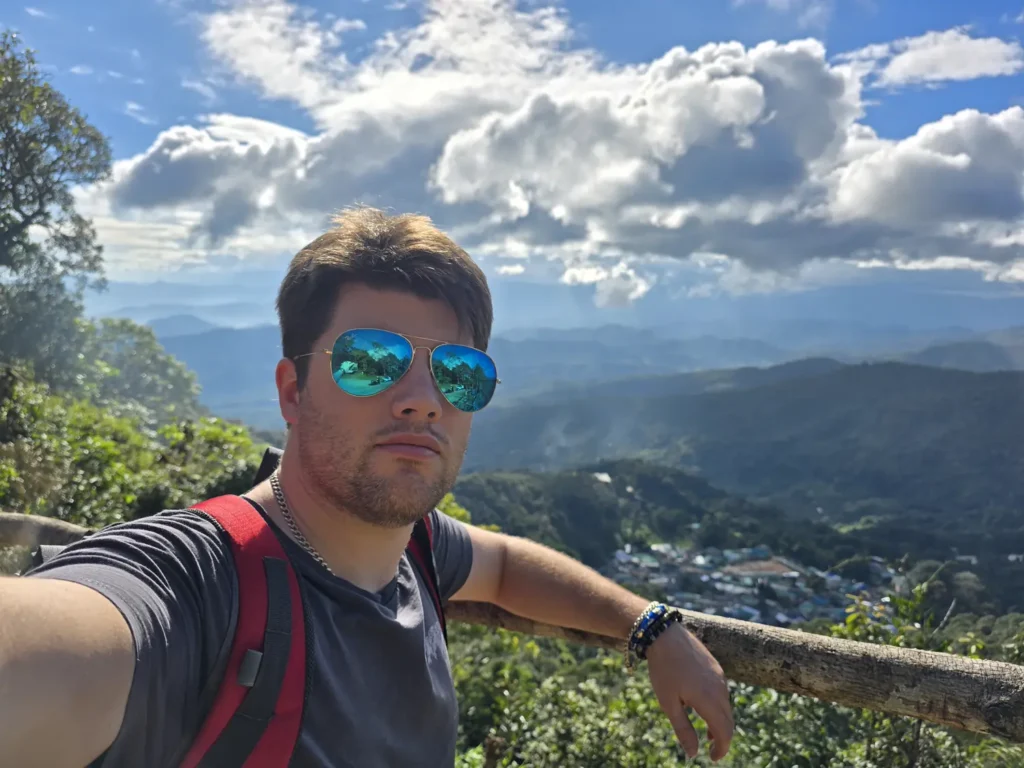
I rented a moped the next morning and headed into the hills of Doi Suthep. Small mountain villages can be found all over the place, and towards the top I was able to gaze out over the entirety of Chiang Mai. I visited Wat Pha That – another temple that’s well hidden despite it’s size. Market stalls and cafe’s can be found at the bottom of its long staircase, and I bought a couple of bracelets (a habit that was going to end up spiralling out of control on this trip) before trying another classic dish – Khao Soi. It’s a mixed noodle-curry dish that’s garnished with deep-fried crispy noodles on top – interesting! I had a whole chicken leg in mine, which was fun trying to dissect with chopsticks.
There was a Halloween party at the hostel that evening, and we all got scooted around on the local songthaews – the red trucks that basically act as Ubers – to a few bars in the centre of town.
I got a few activities booked the next morning. I like to have a good balance of actually “doing things” alongside casual wandering and exploring. I did some more casual wandering around the MAYA shopping centre during midday – pleasantly surprised at the Thai chocolate milk offering (this is one of the metrics I use to rank countries in case you weren’t aware). I don’t know why I like shopping centres so much – but if it’s also your thing, I’d recommend this one for sure).
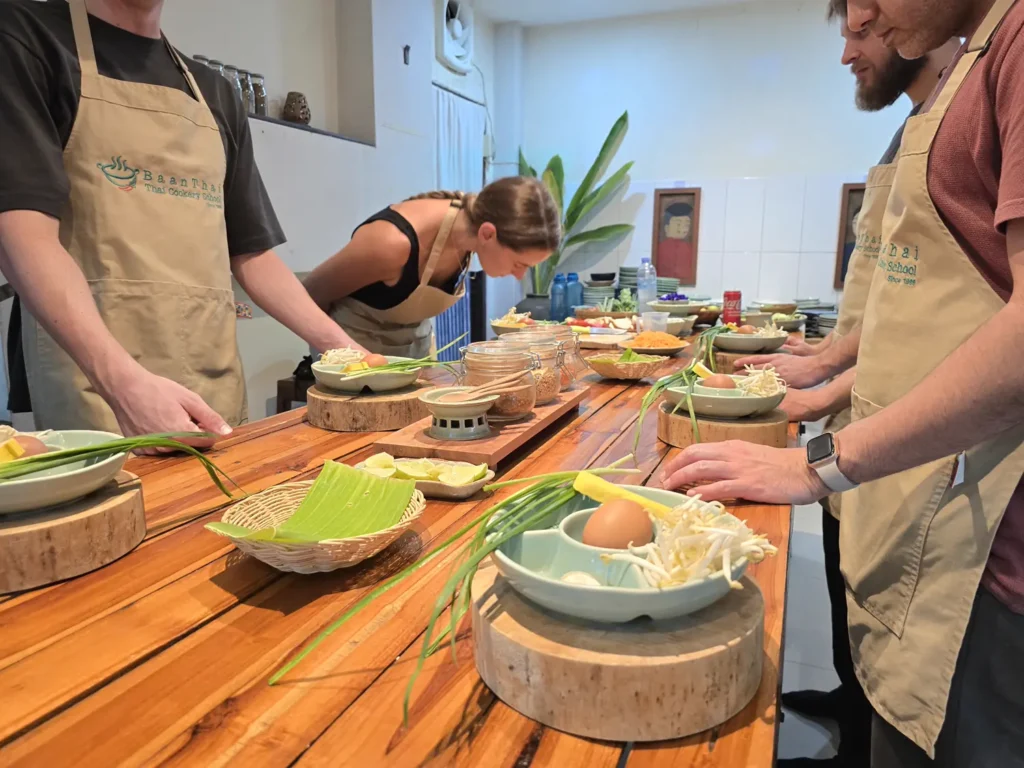
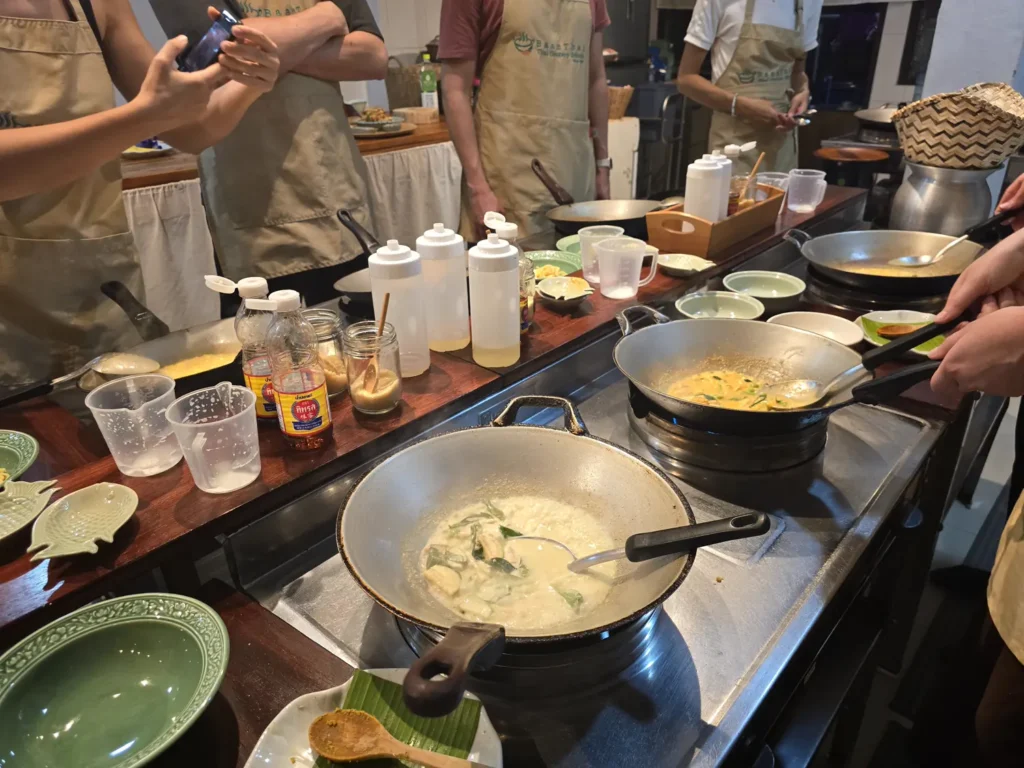
That afternoon I headed back into the ancient city to the Baan Thai Cookery school. As I said earlier, Thailand was definitely going to be a foody destination for me, so a cooking class in the local cuisine sounded like a great idea – and it was.
It’s a small place run by just a couple of people – with a dining room and and a good-sized kitchen equipped with multiple stoves and a long central table for prepping. There were 5 other people in the group, so it was nice and sociable between all of us. Our first trip before cooking anything however was to a local food market, where the lady explained all of the core spices, vegetables and mixes used in a lot of Thai dishes. I imagine that the quality of the food out here comes down to the freshness – with markets of fresh produce being the everyday default rather than the exception.
Back at the kitchen, we each chose a couple of different dishes to cook from scratch from the menu, alongside some base dishes that everyone would make. If you ever go and do this in Thailand – make sure you go hungry!
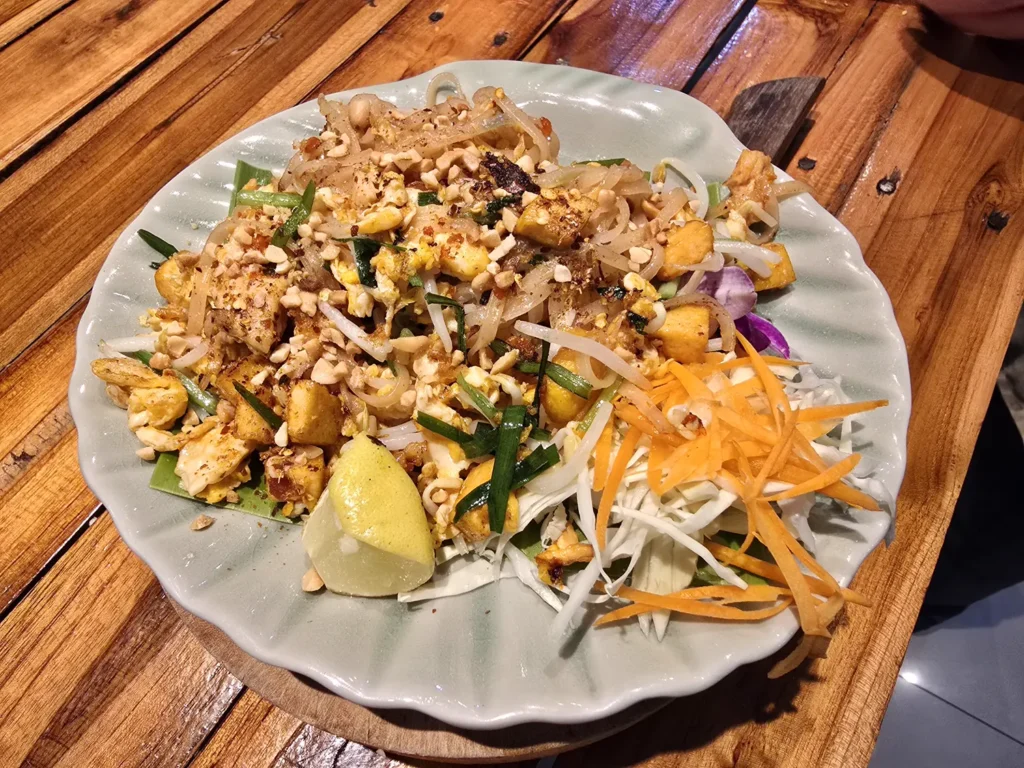
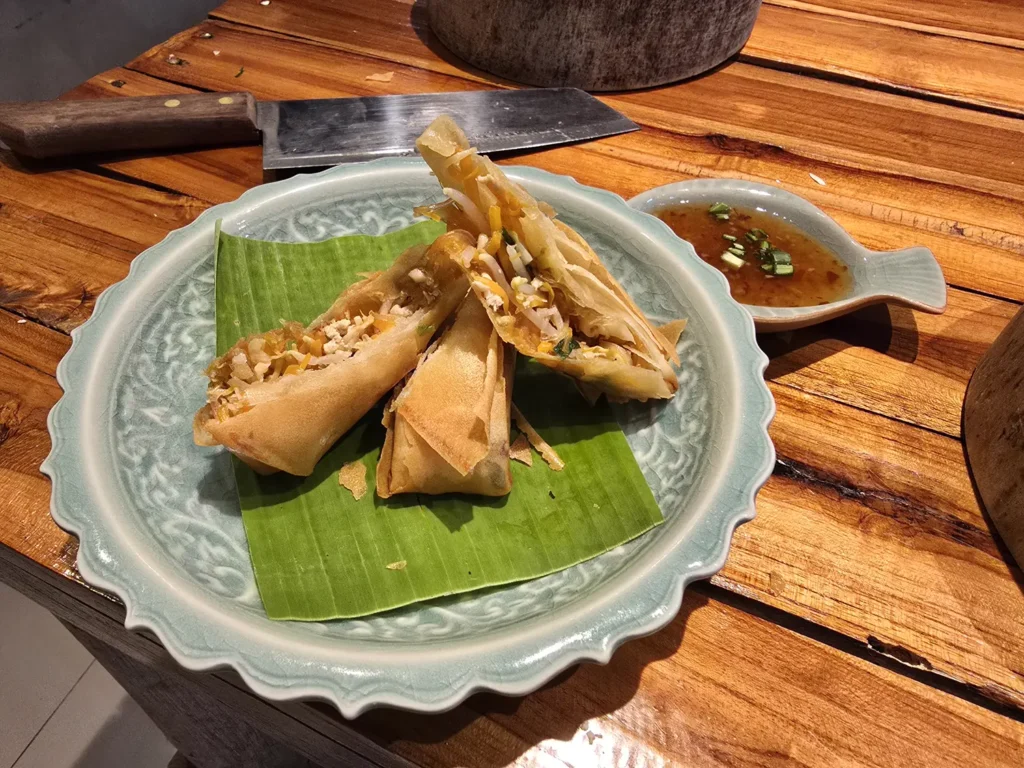
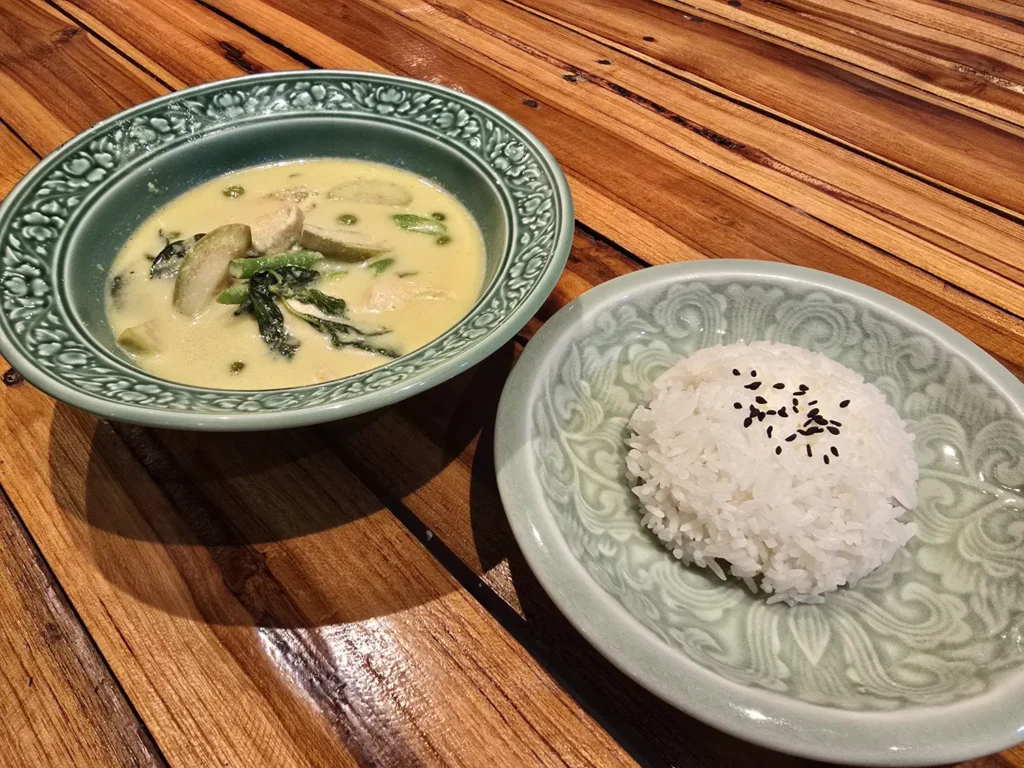
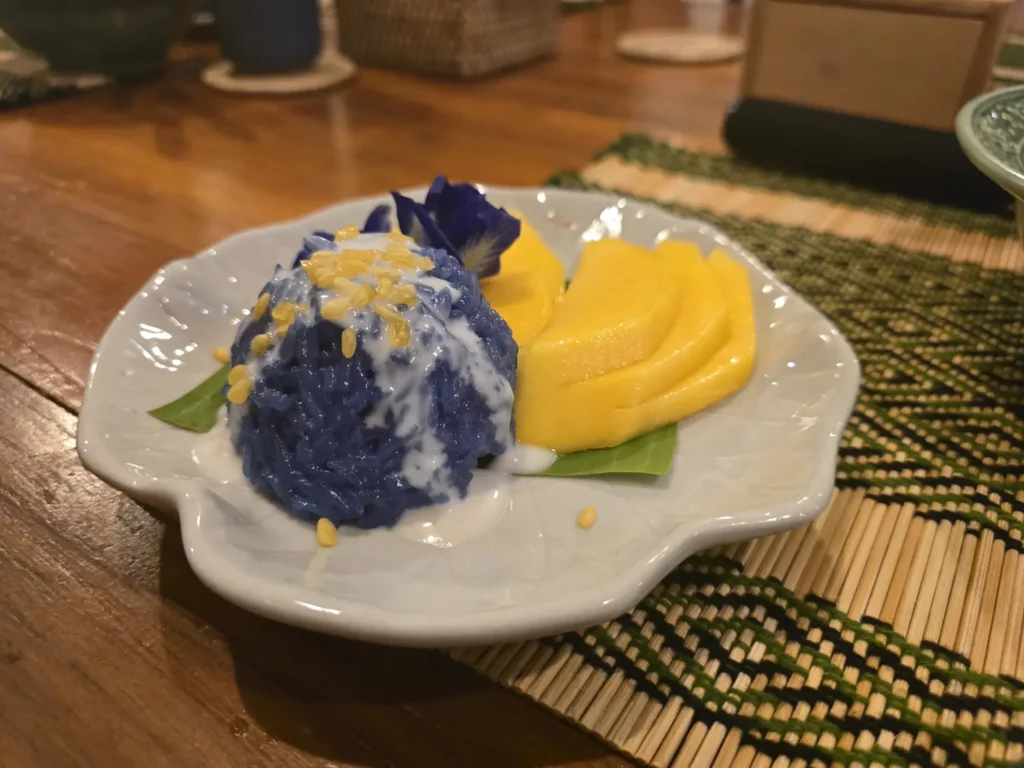
My banquet consisted of Pad Thai, Tom Yung Goong, Spring Rolls, Green Curry and Mango Sticky Rice. We made each dish separately, eating in straight afterwards. I think the best think I ultimately learnt was just how quick and easy these dishes were to throw together from scratch. There was hardly any complexity to it. You just chopped up the basic ingredients, added a bit of simple sauce here and there with your main filling and vegetables, and that was it! I think it’s easy to have an assumption that good foods needs to be complex and time-consuming to make. Thai cuisine really does throw this theory out the window.
It had never crossed my mind to do a cooking class whilst out here, so I’m glad I spotted the leaflet in the hostel lobby. Food was always going to be a big thing on this trip, so learning how to make it was possibly the number one highlight. I’d highly recommend it if you love food as much as I do.
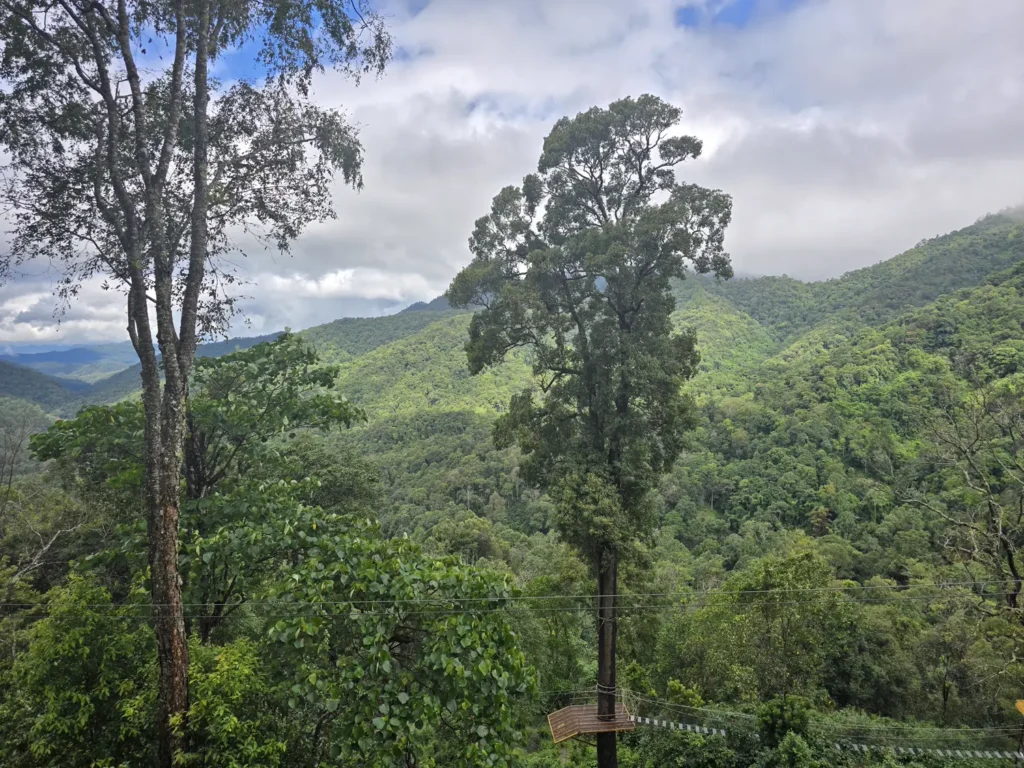
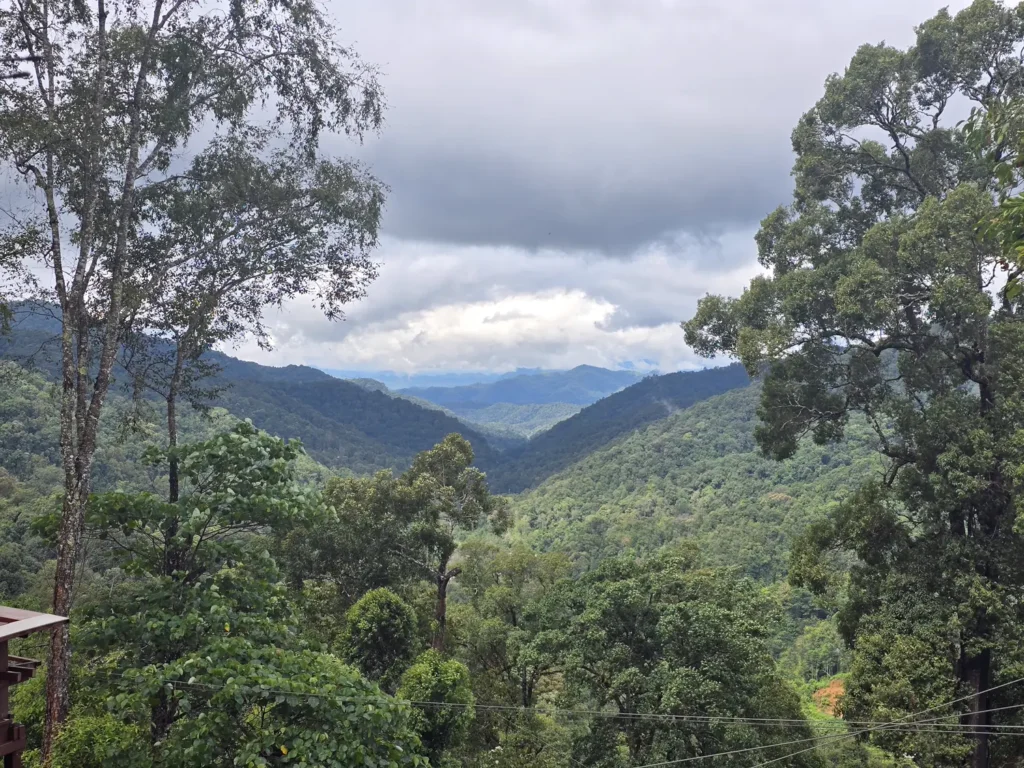
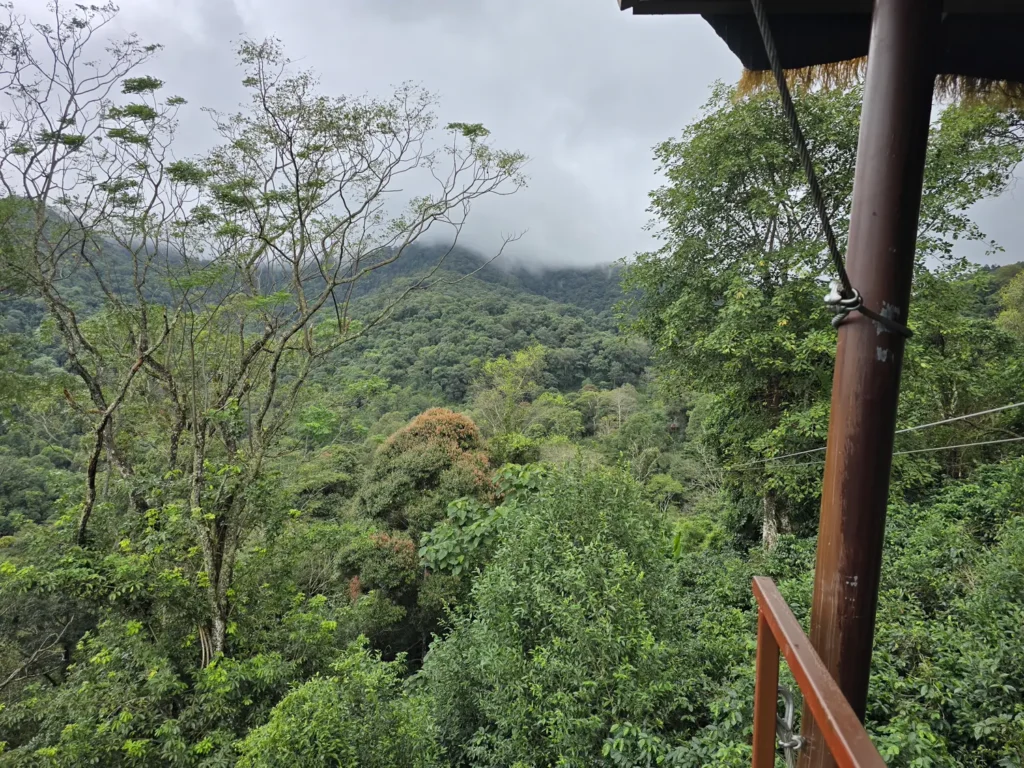
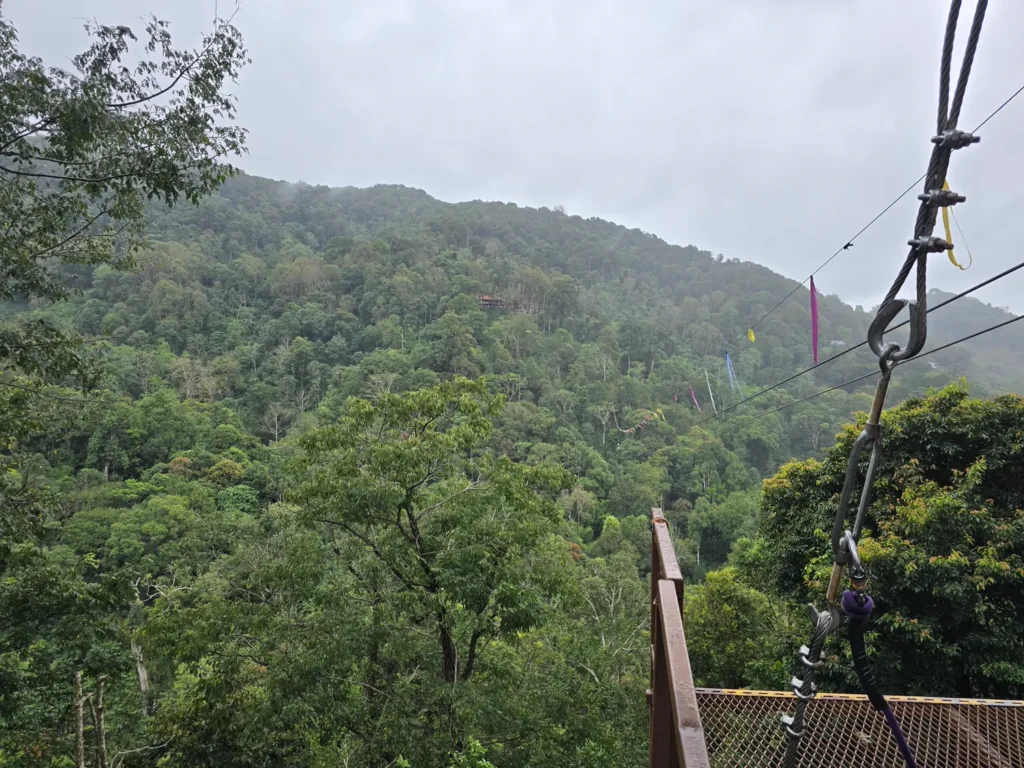
My next booked activity was the King Kong Zipline Adventure, based in the mountains outside of Chiang Mai. I got picked up outside of the hostel in the morning, taking about an hour up the windy mountain roads to reach our destination. The Ziplines are stationed across a sizeable jungle valley and includes (at time of writing) Asia’s longest zipline at 1.2km. What fun that sounded!
The group got escorted between each zipline, rather than being self-guided. Probably for the best given the length of these ziplines – getting stuck somewhere in the middle would not be good!
There were a few other “obstacles” along the route – abseils, rope bridges – that kind of thing. But the Ziplines were the highlight, flying over the jungle with small villages right below. How they got steel cables across here, I’d love to know. The guides added their own bit of fun at points – bouncing us on certain wires and pretending that our harnesses were falling apart!
Ziplines are exhilarating as standard, but ziplines that go on for so long are even better! The whole course took around 2 hours (doing the complete “Ultimate” route – there is a shorter “Extreme” route as well) and we had a buffet lunch waiting for us on return just to top it off.
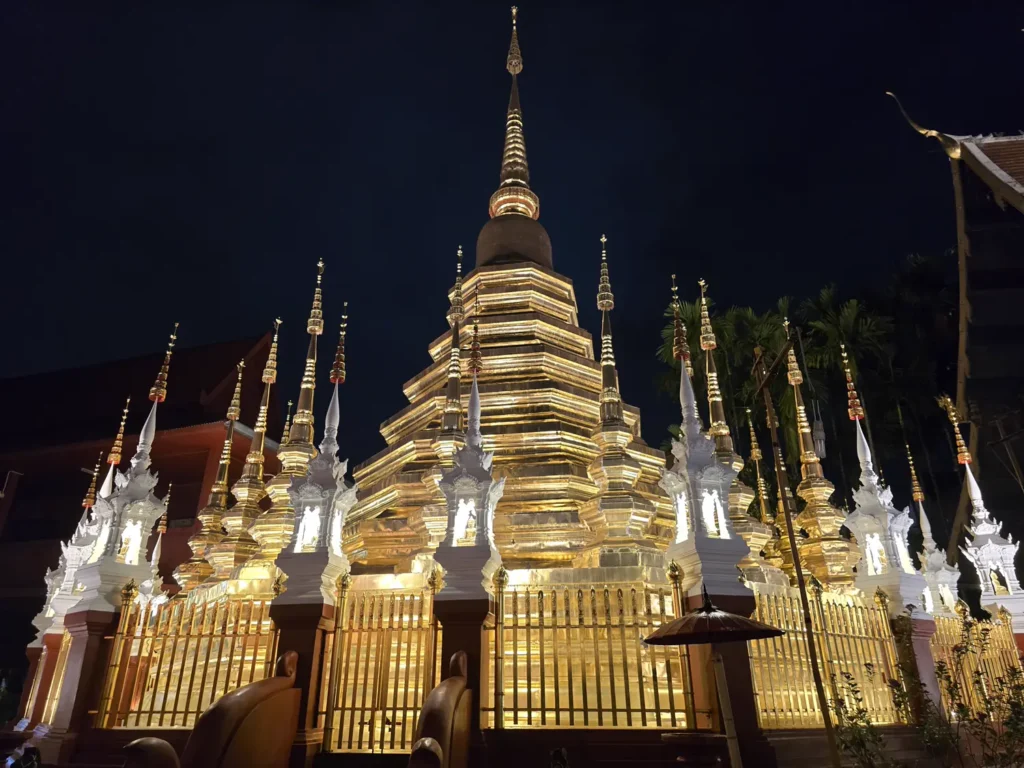
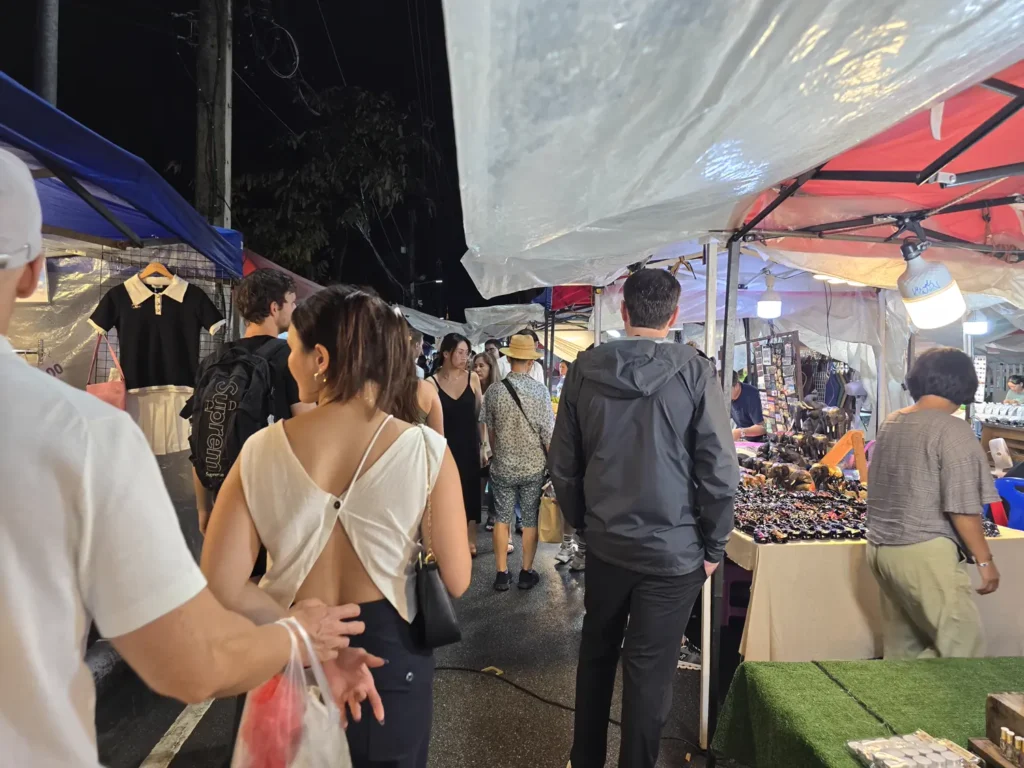
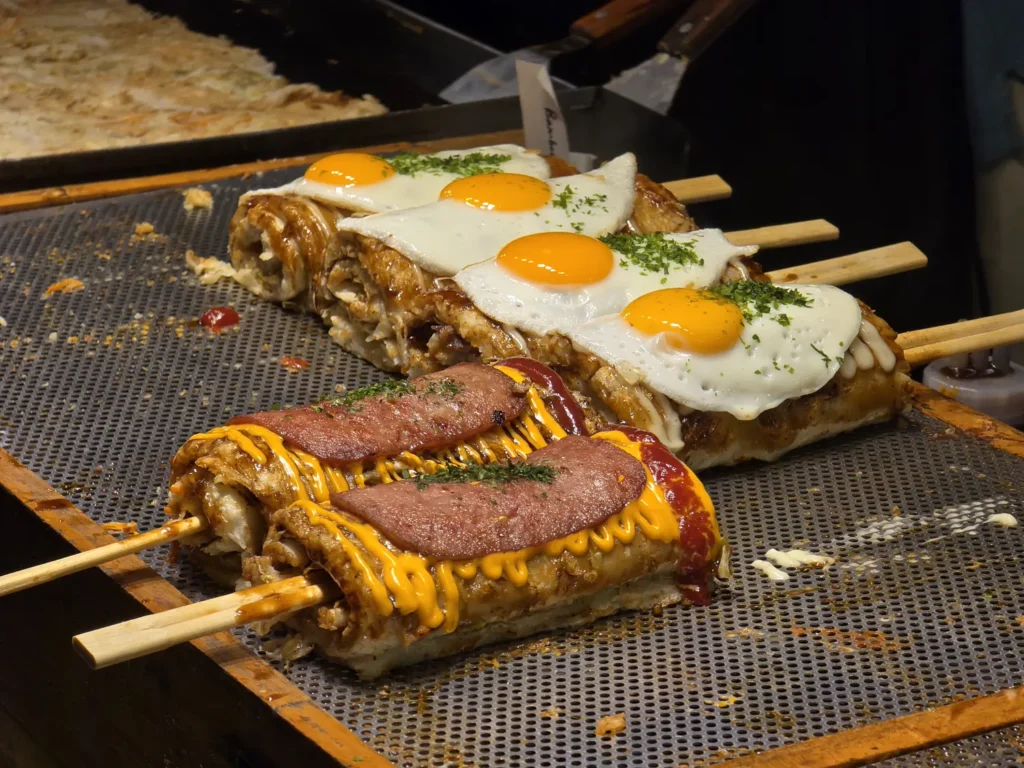
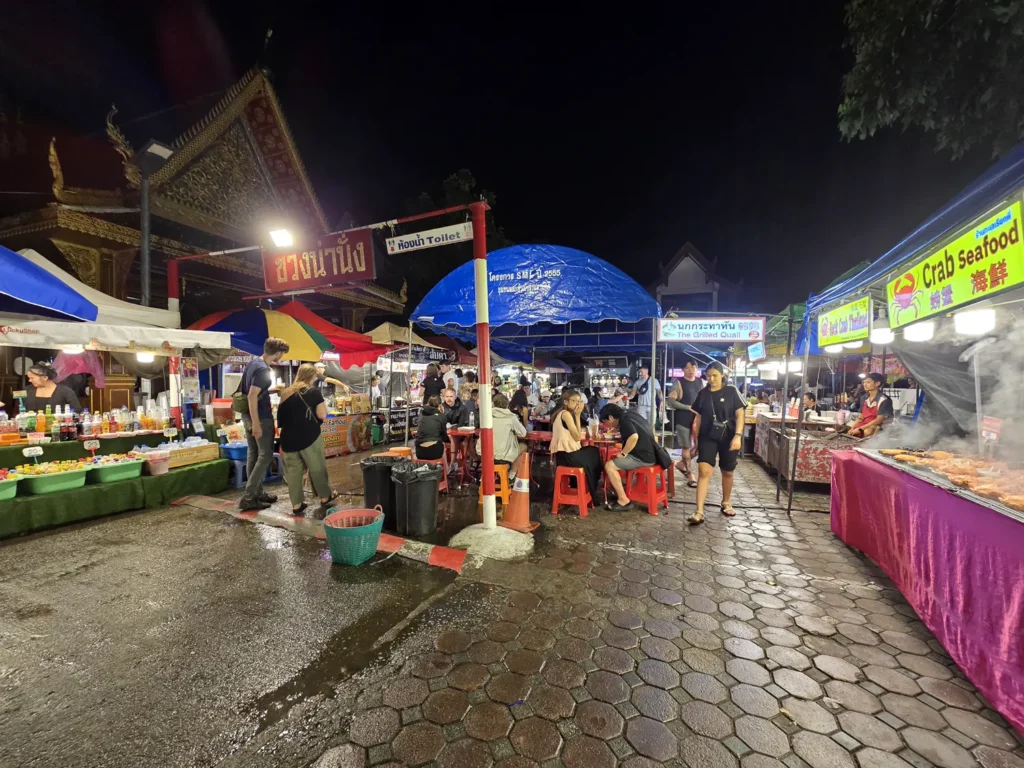
Back down into Chiang Mai, and I was able to explore the famous Sunday night market – a pop-up Bazaar that takes over nearly the entirety of the central Ancient City.
Plenty more food stalls to try out, and I purchased a shirt and some shorts with a proper “Thailand vibe”.
Chiang Rai
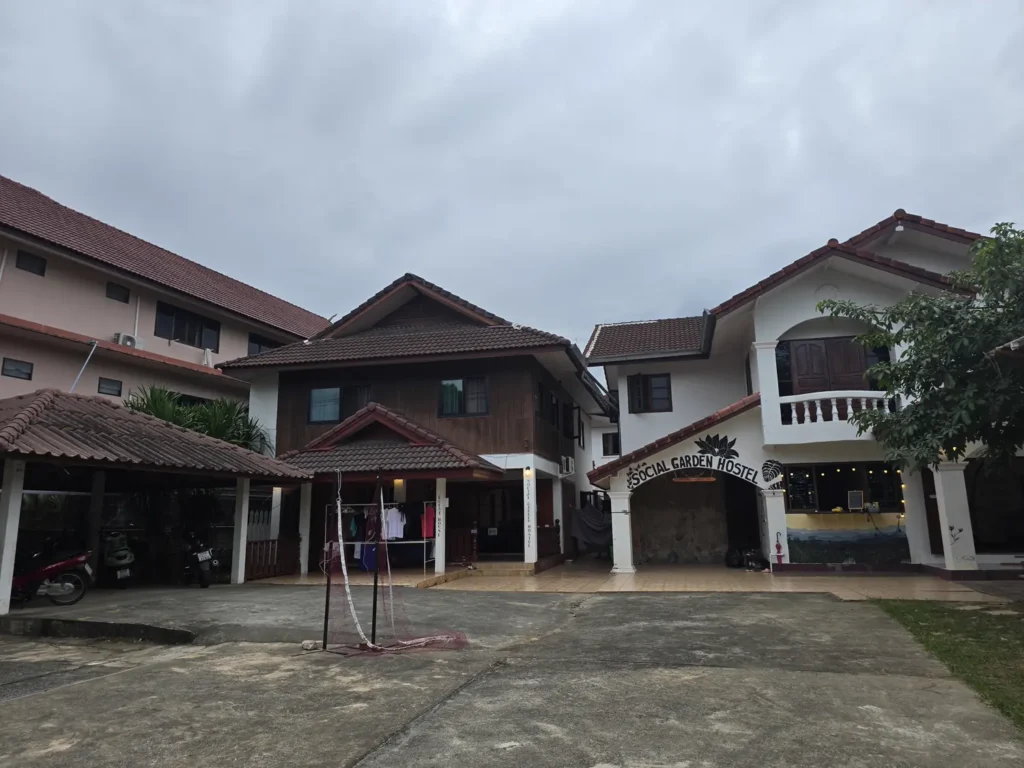
I took a shorter bus journey to Chiang Rai the next day – Thailand’s most northern city. Again it’s much more similar to Chiang Mai rather than the likes of Bangkok, with a small city centre and one key central market area. I stayed at the Social Garden Hostel – a small independent place 5 minutes ride from the city centre. As a solo traveller, I’ve found the smaller “socially encouraging” places to be a lot better for meeting new people. Organised events that bring everyone together of an evening helps balance out the independent exploring that inevitably comes around. The big hostels might have all the nice facilities – and even more people – but unless you’re a natural people person it can actually be more difficult to properly engage with everyone you meet (maybe that’s just me).
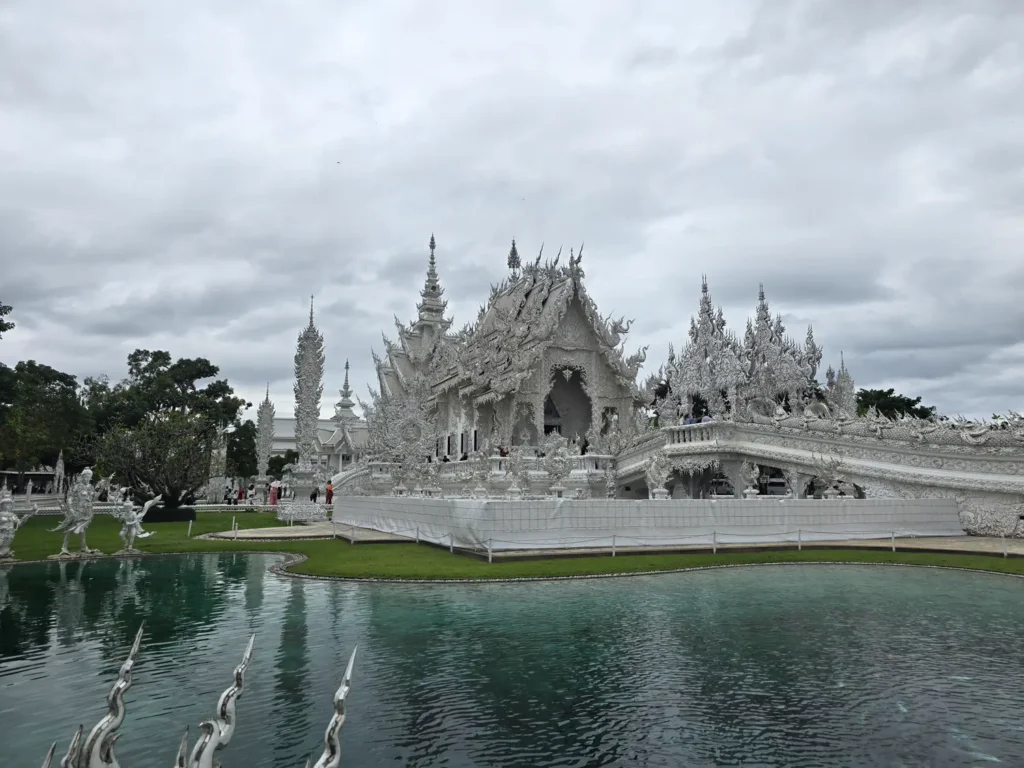
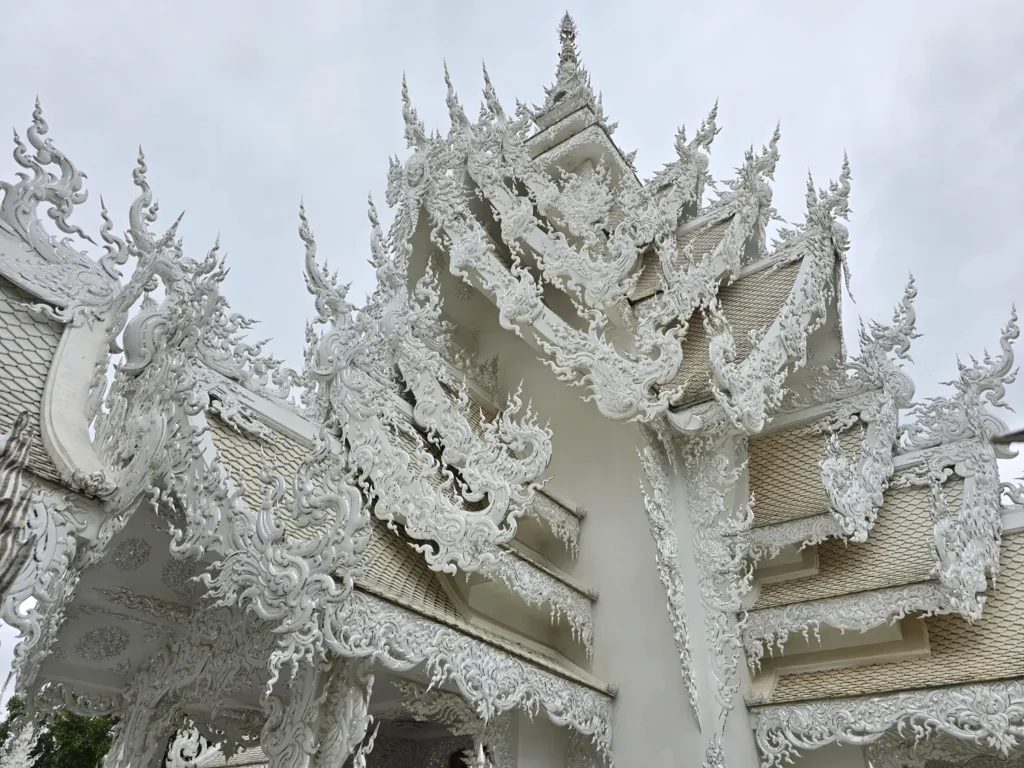
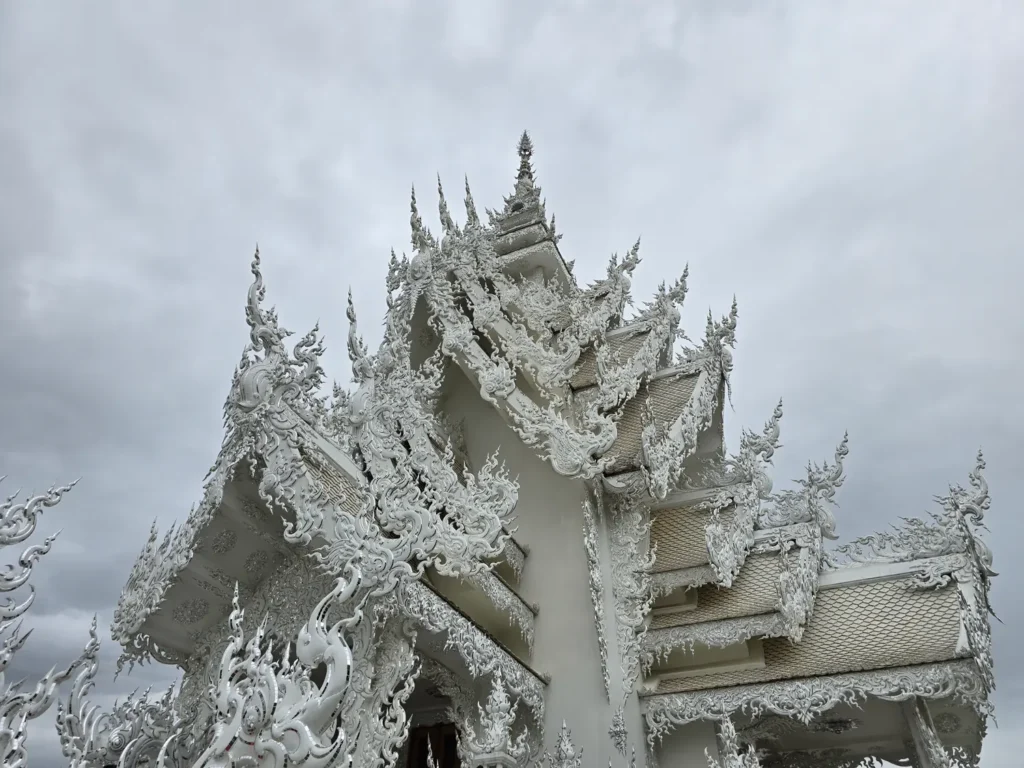
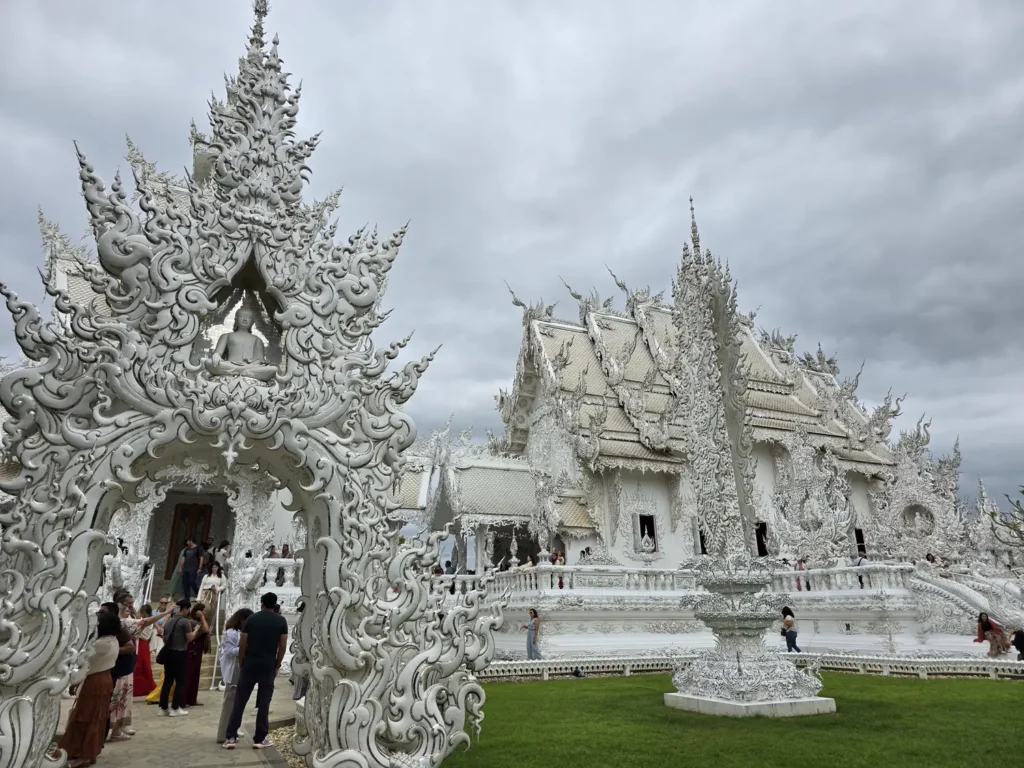
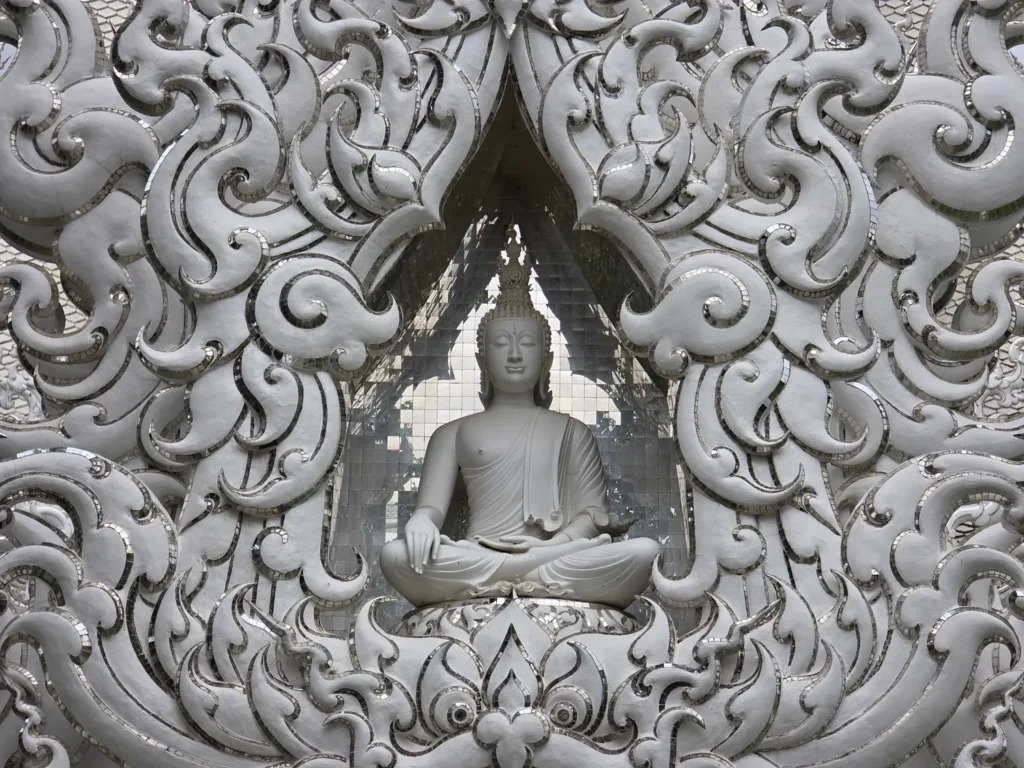
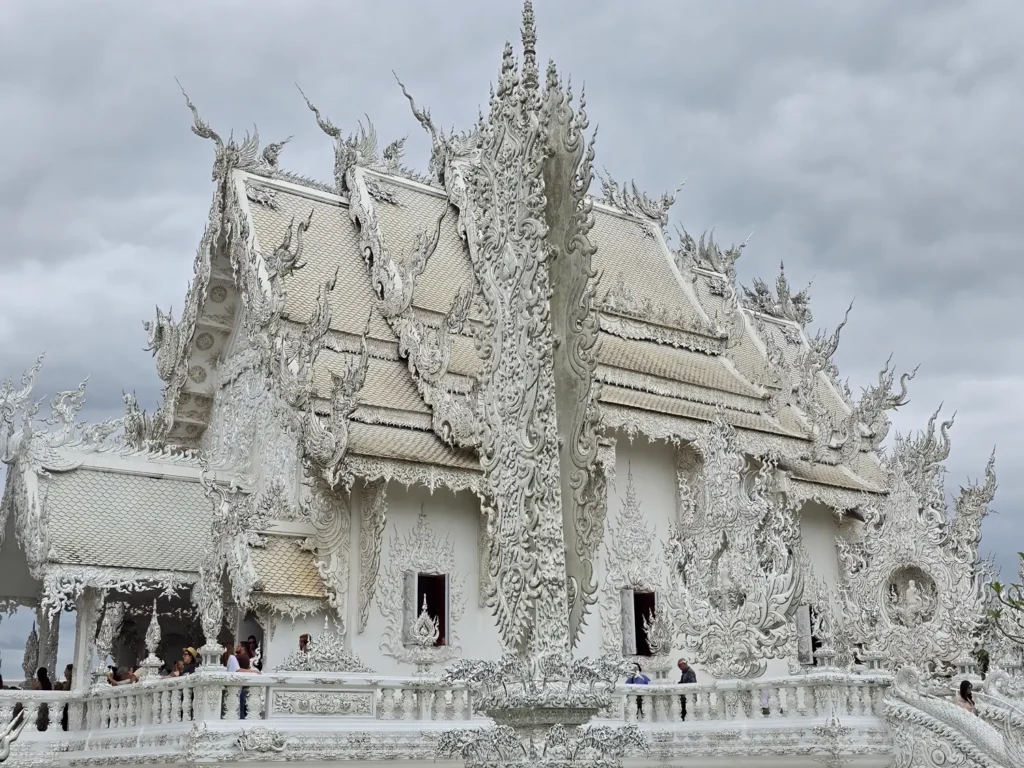
The hostel had a wall-drawn map of the area with a few sightseeing highlights marked on it, so I ticked a few of these off the list with another “Temple Tuesday”, starting with Wat Rong Khun – The White Temple.
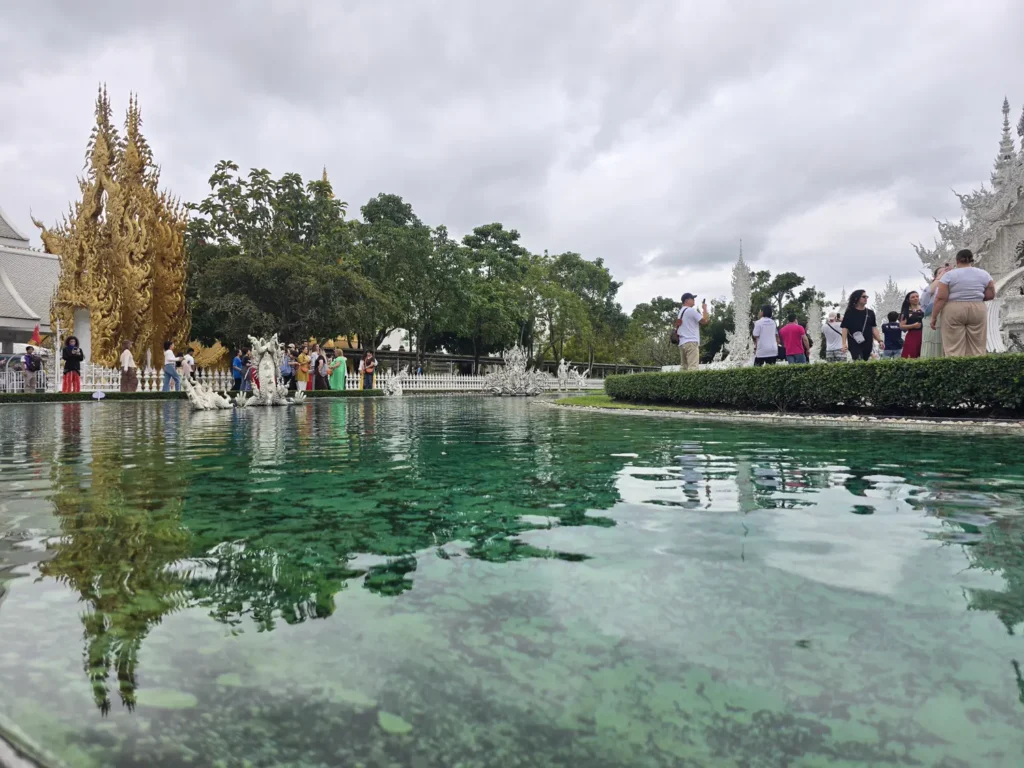
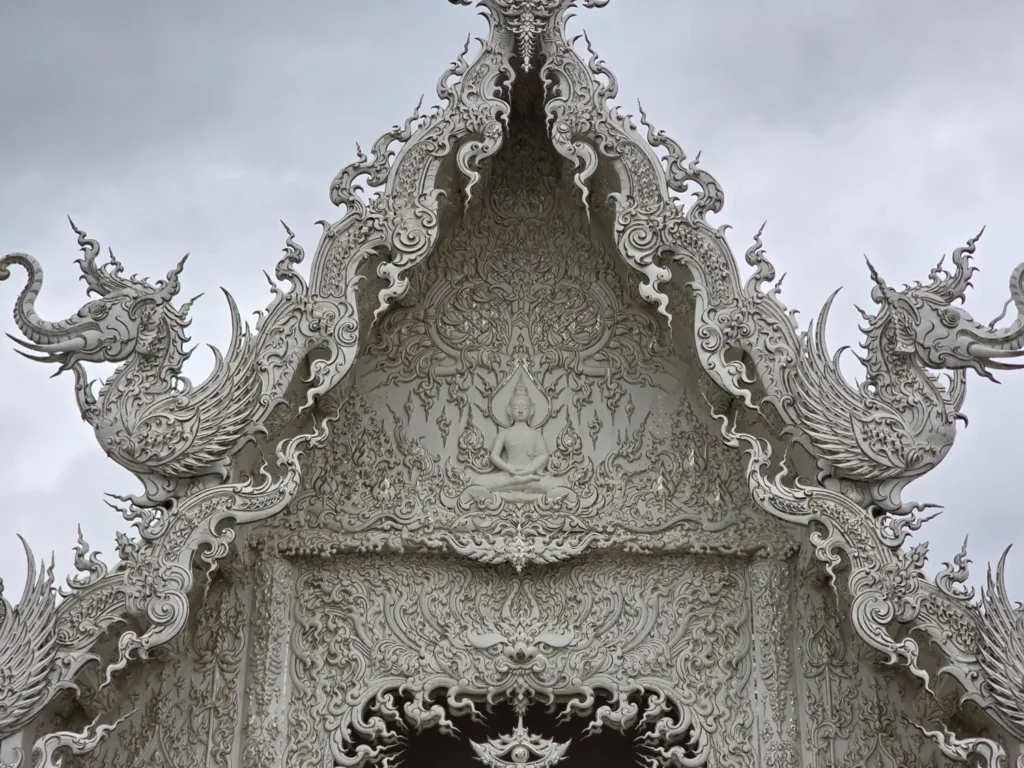
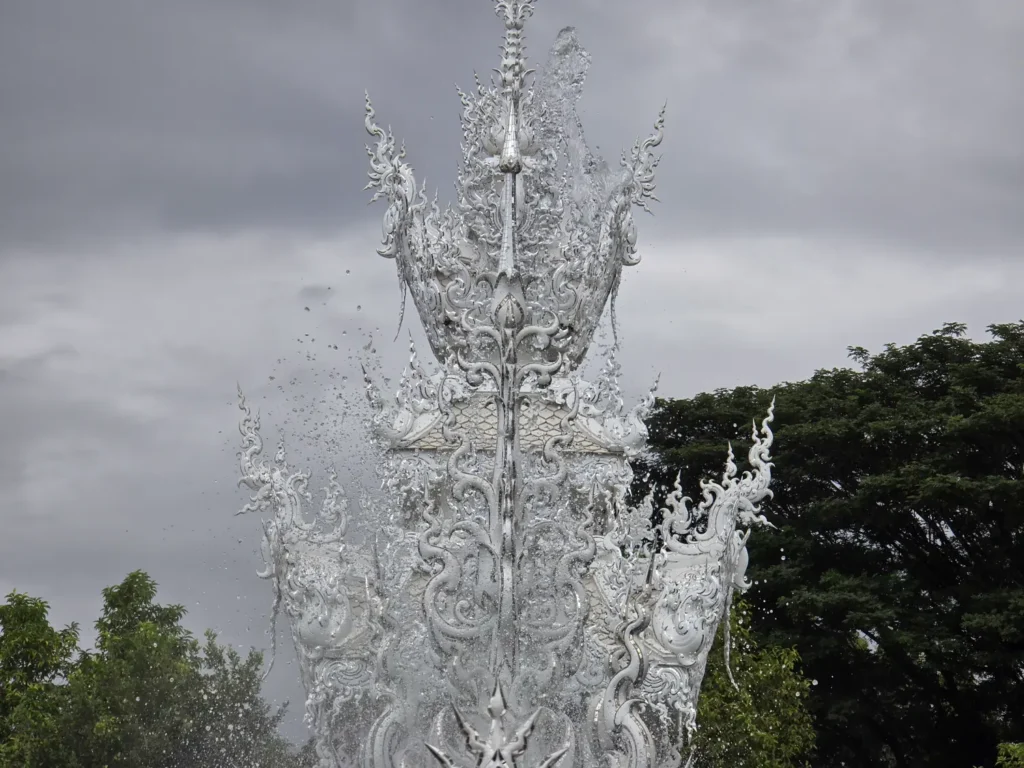
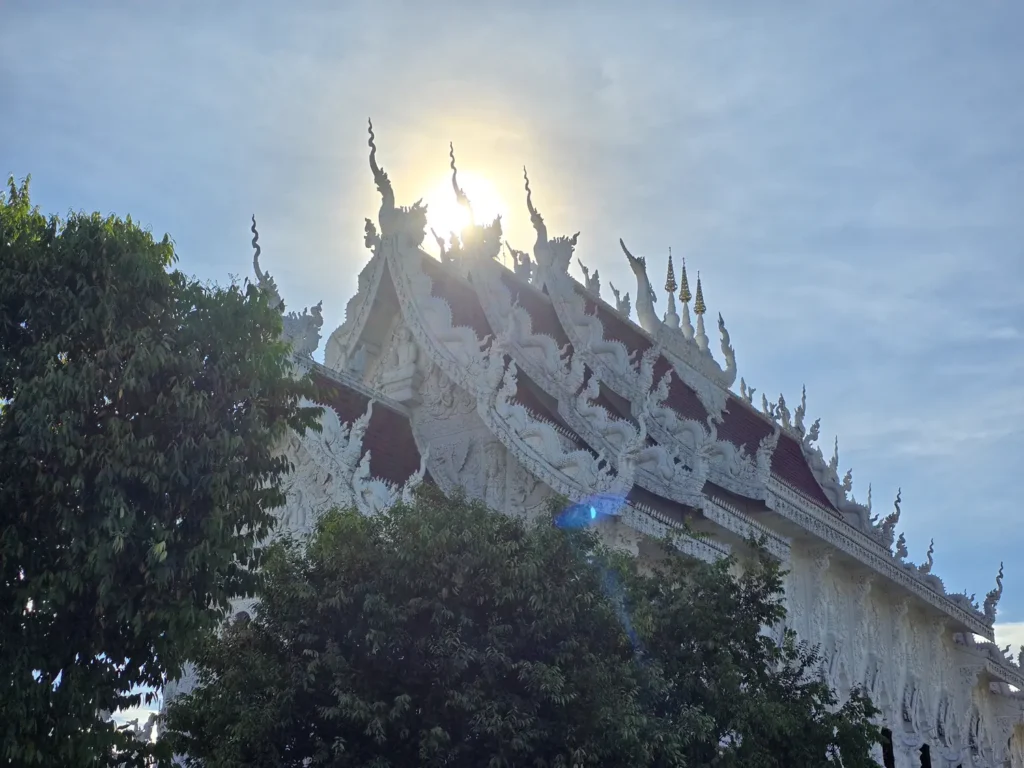
So why do you think it’s called the White Temple? The answer might surprise you… it’s white! What stands out more than the bright colour however is the pure intricate detail of the building. Small, sharp carvings give the impression that the entire structure is in flames, and as I mention to the camera – if the building were painted orange instead it would be an interesting effect.
It’s a popular spot, so you have to do your best to enjoy the exterior design in a hoard of people. You can go inside to see the shrine, but it’s the outside that really stands out in this case.
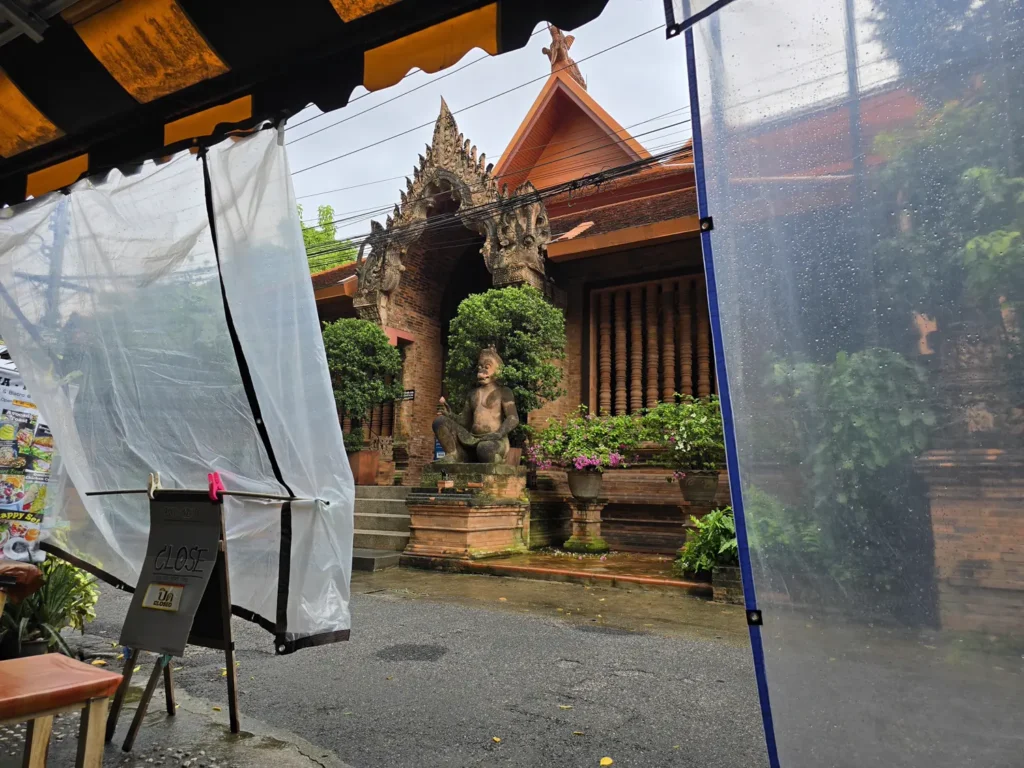
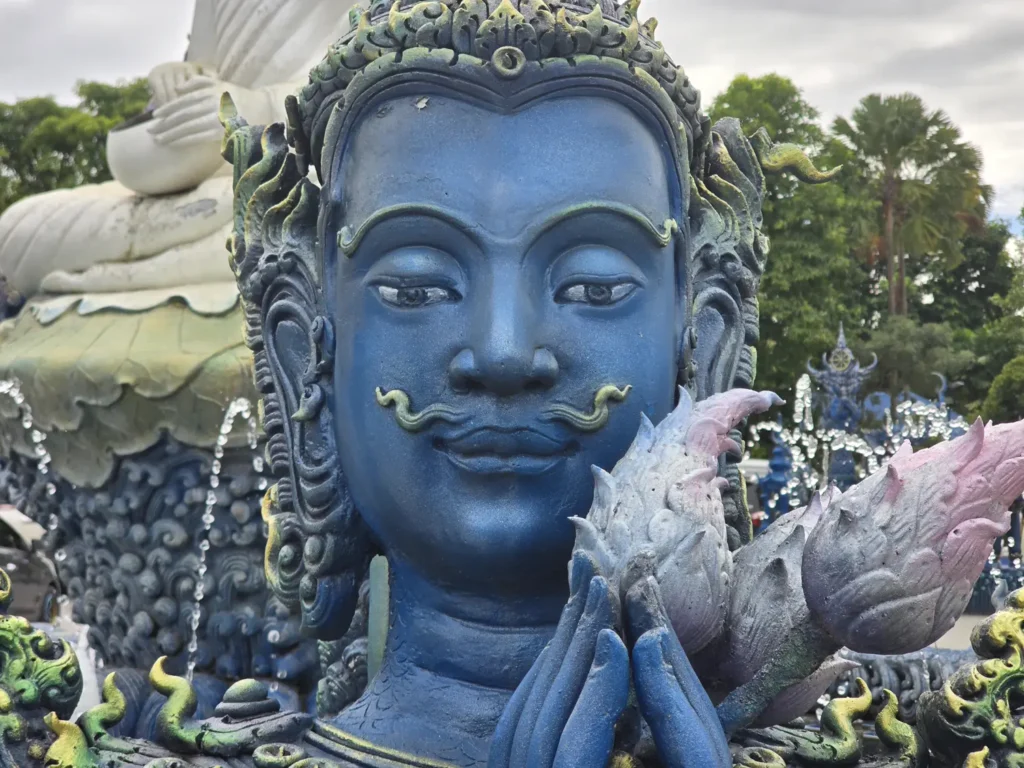
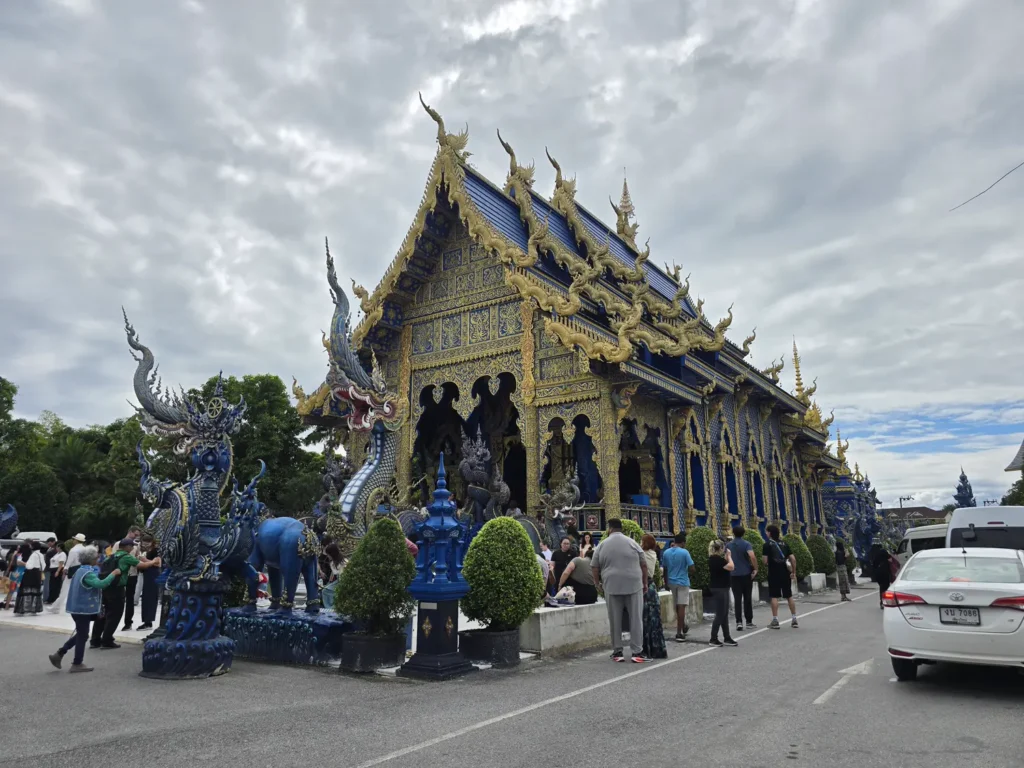
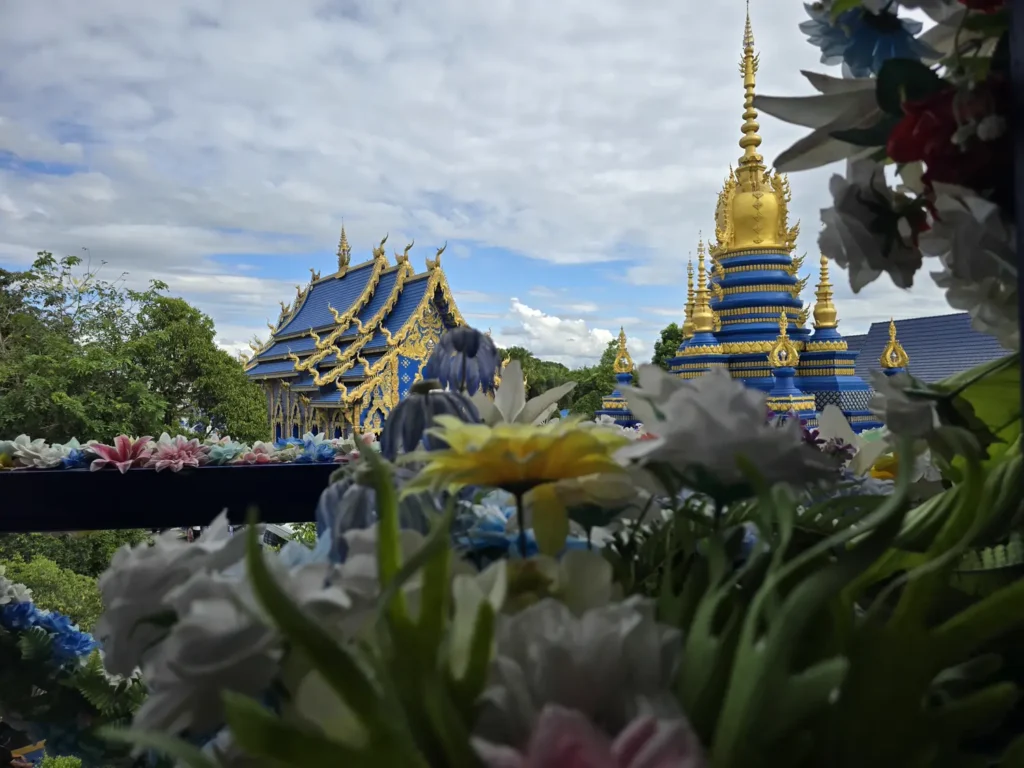
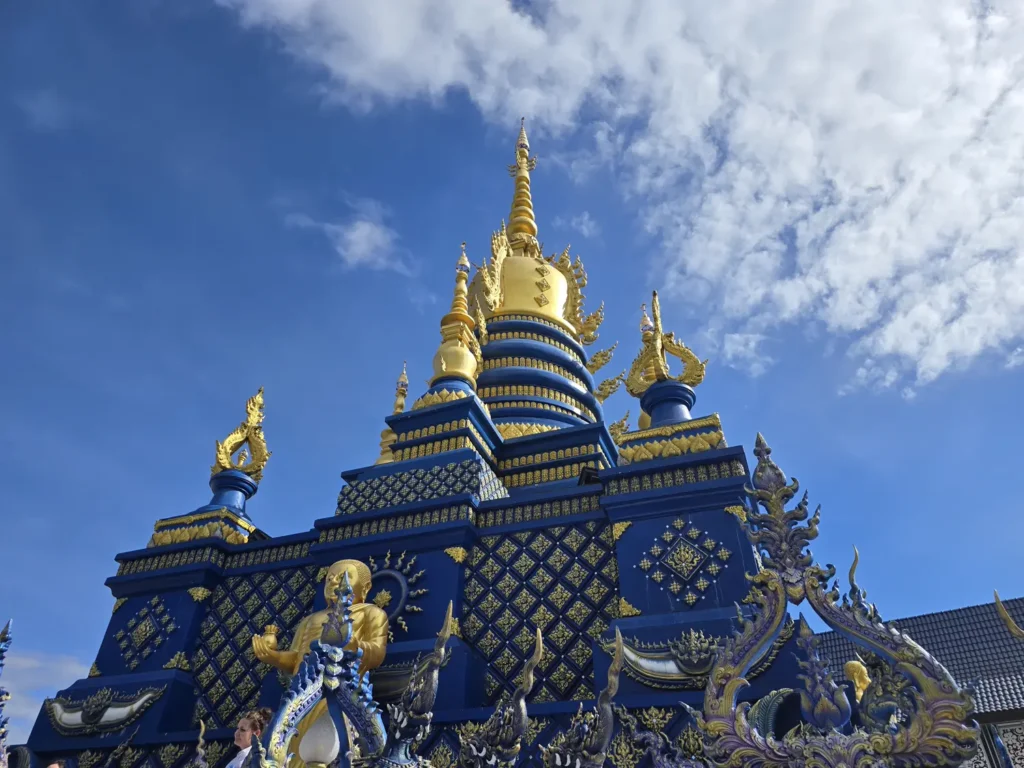
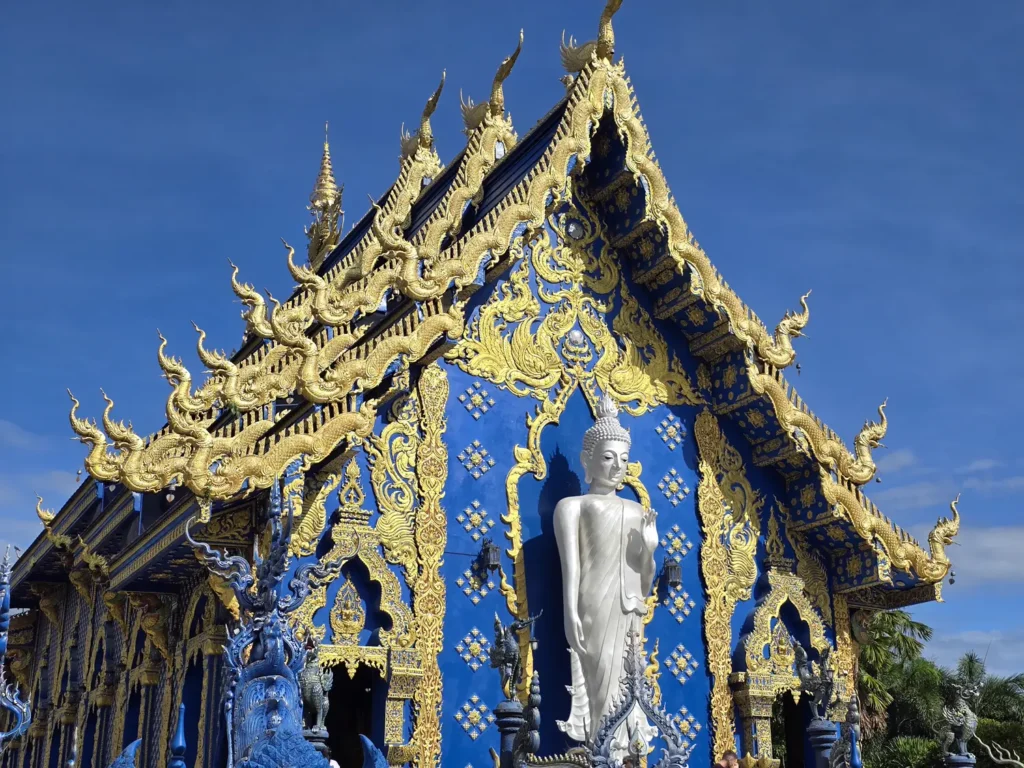
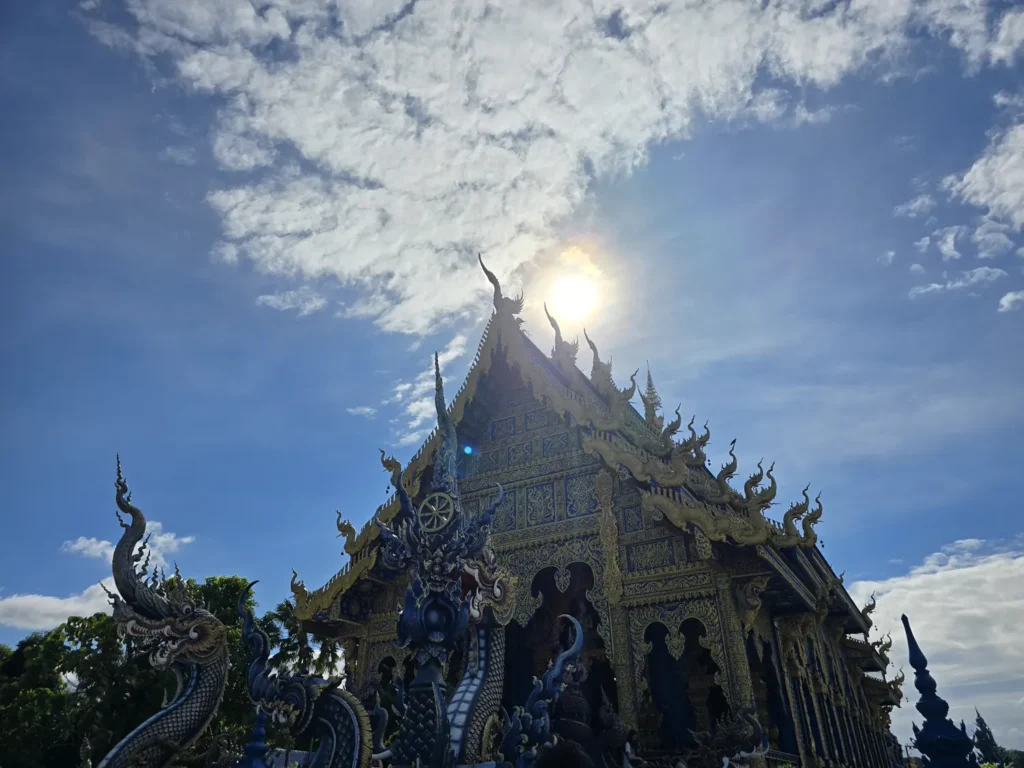
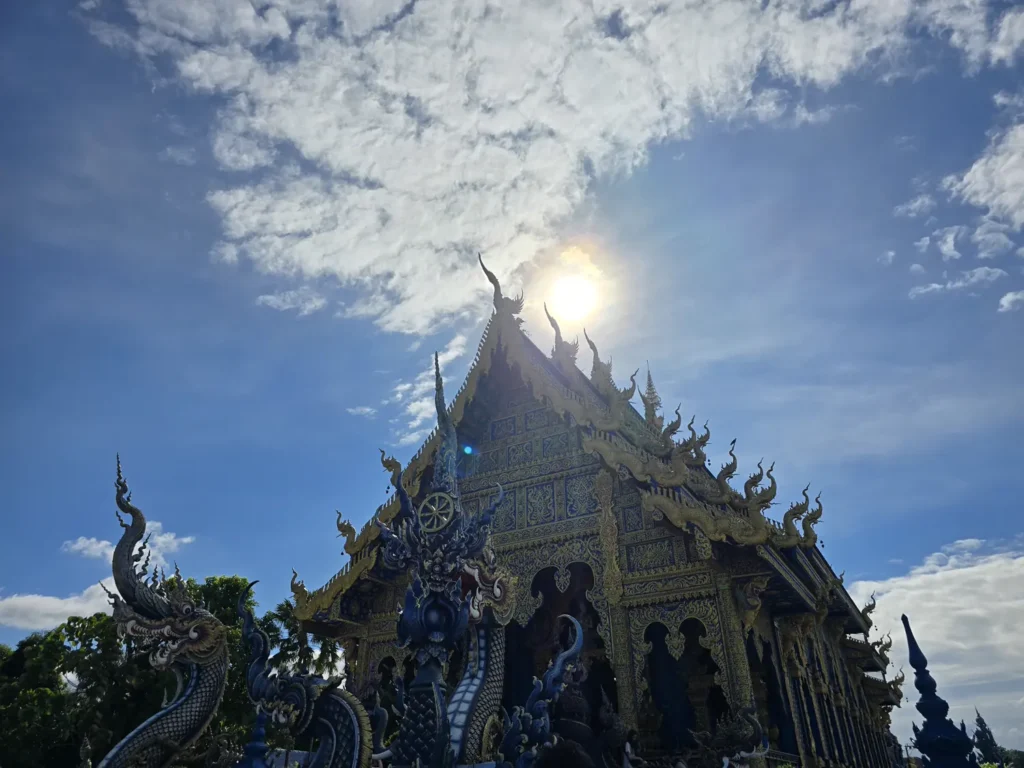
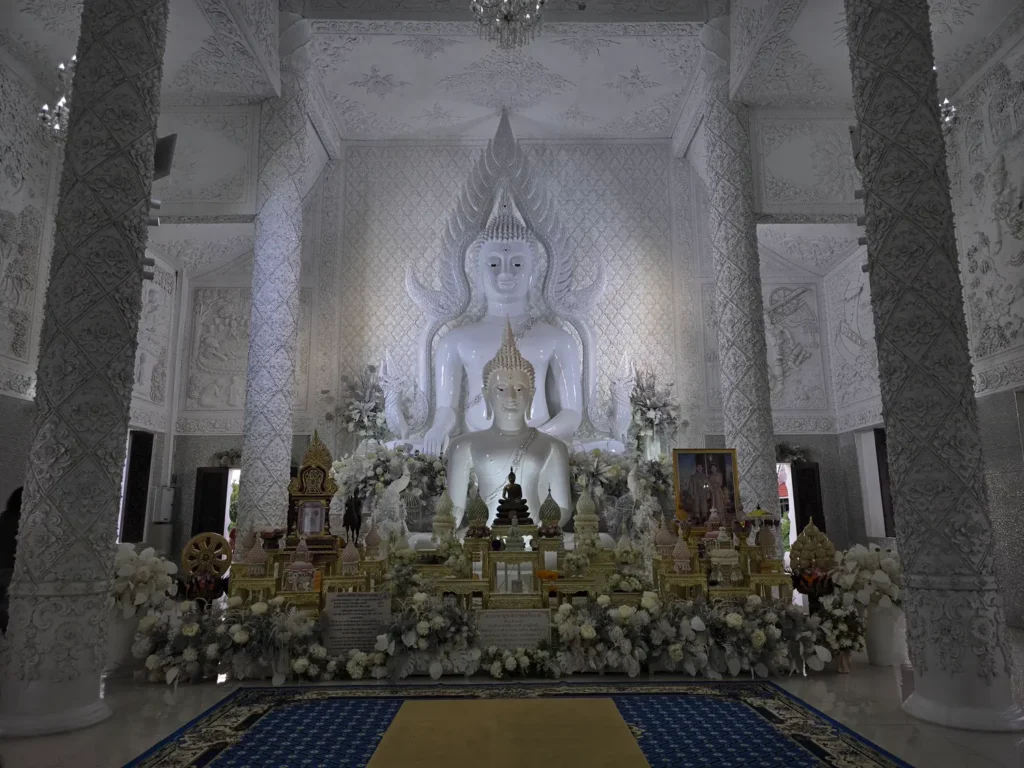
Chiang Rai likes its coloured temples, and next up was Wat Rong Suea Ten – The Blue Temple. Probably my favourite one with its blue and gold exterior, and equally as colourful interior shrine. Great for getting some nice shots amongst the colourful flower displays.
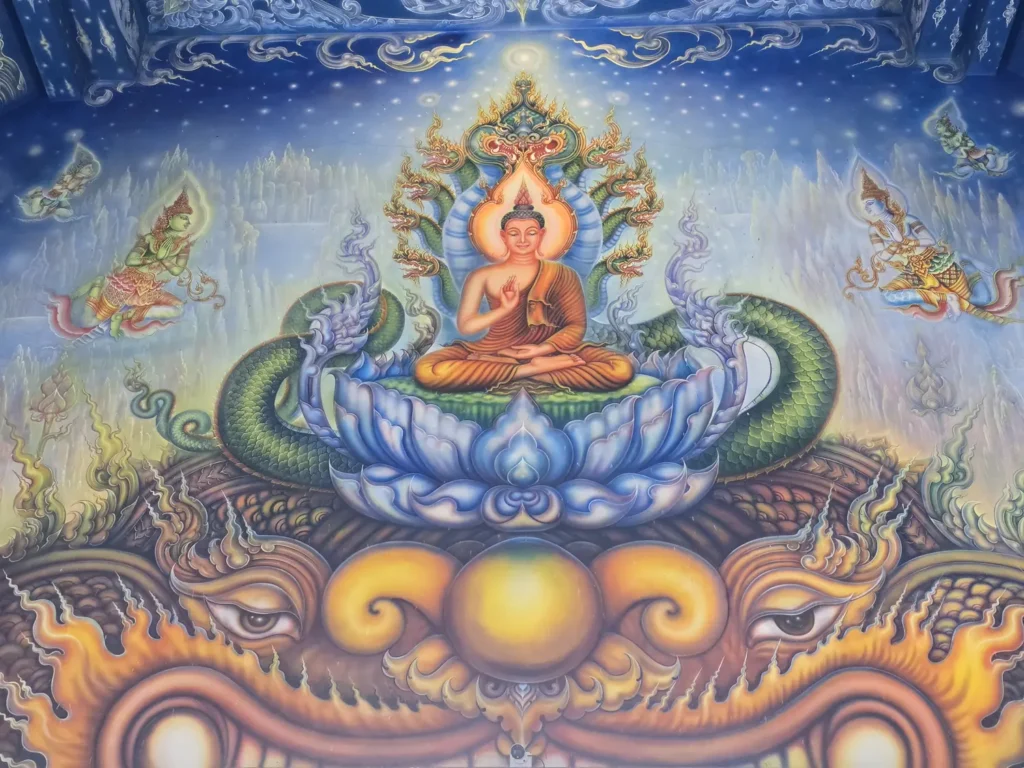
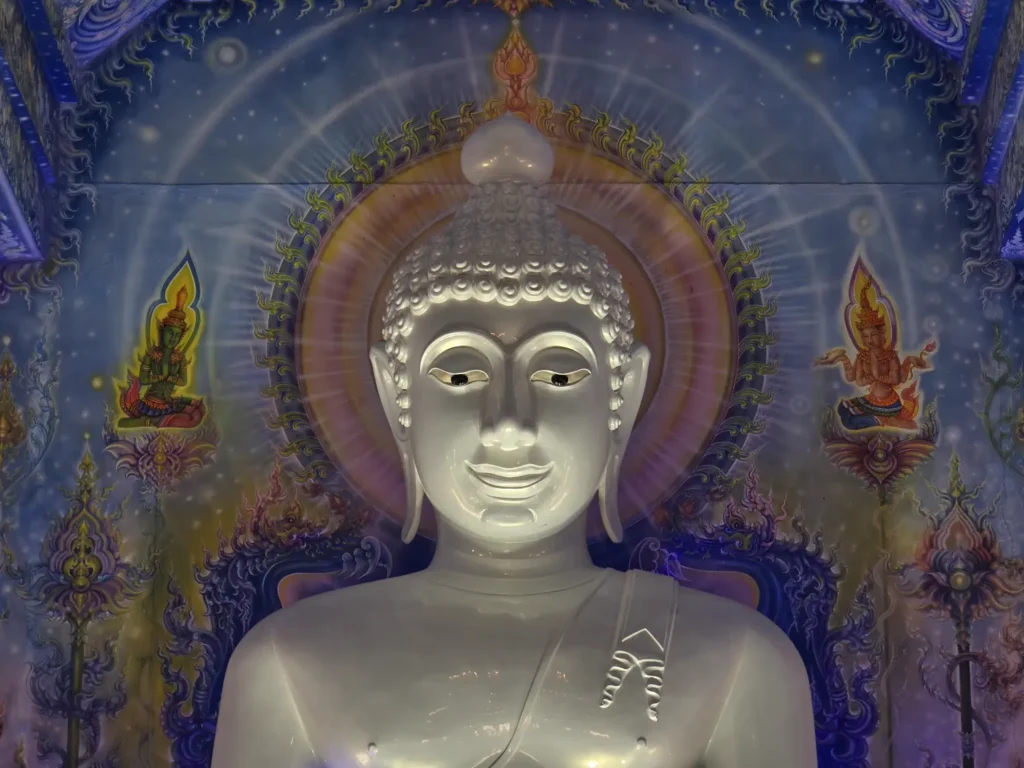
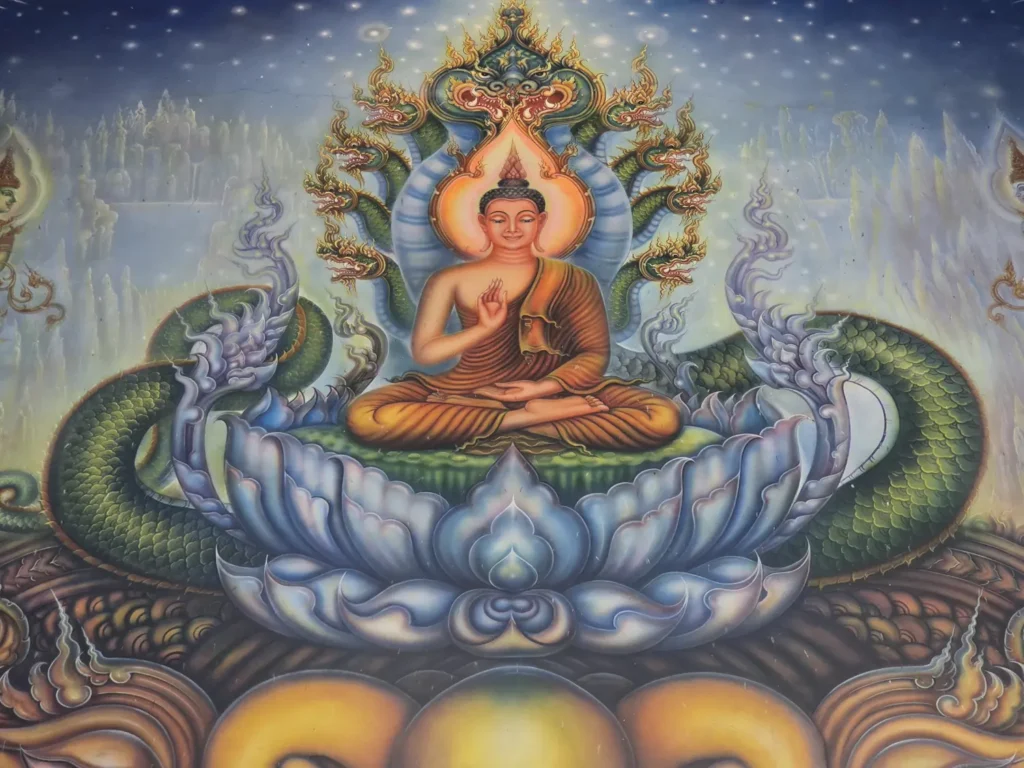
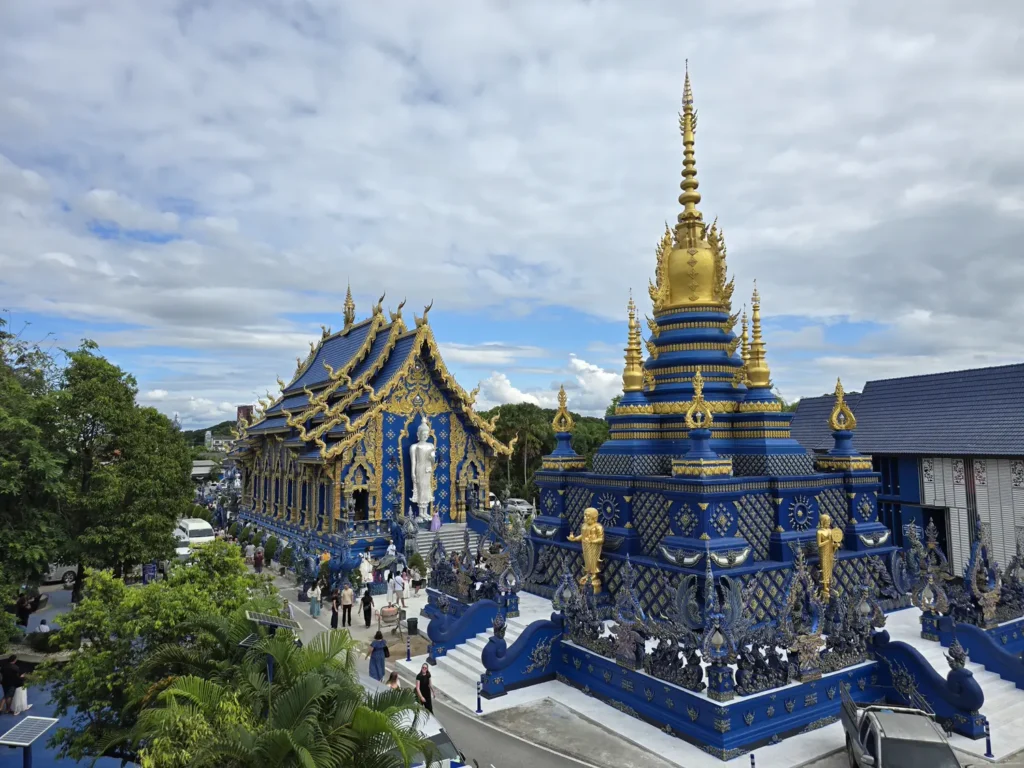
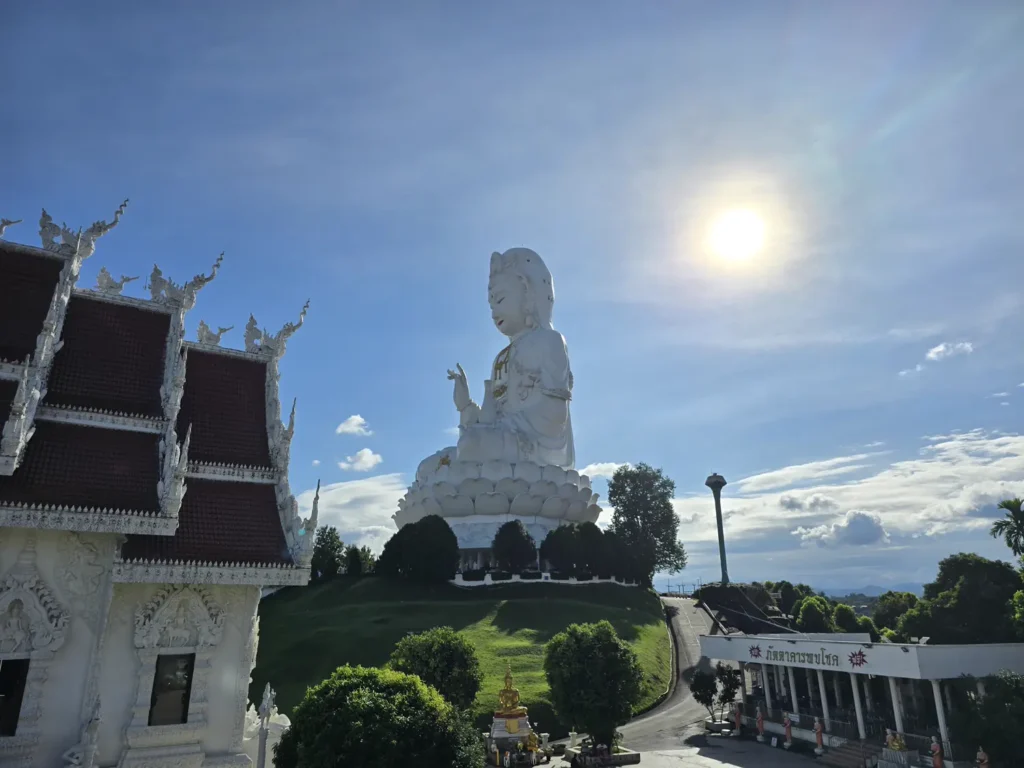
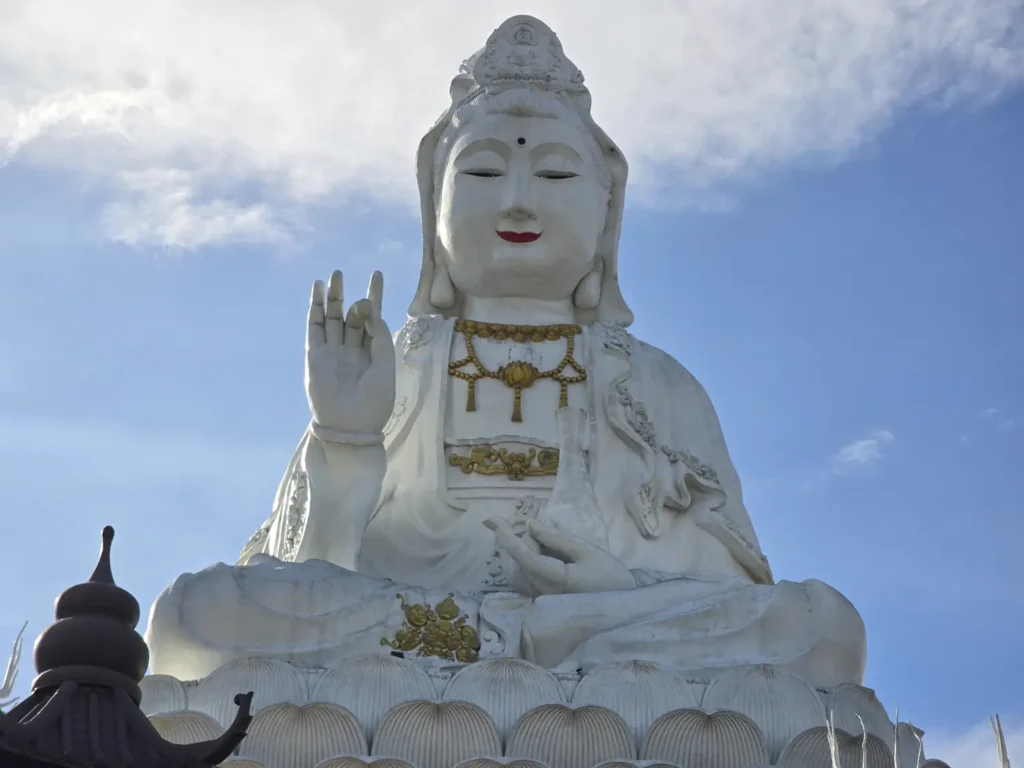
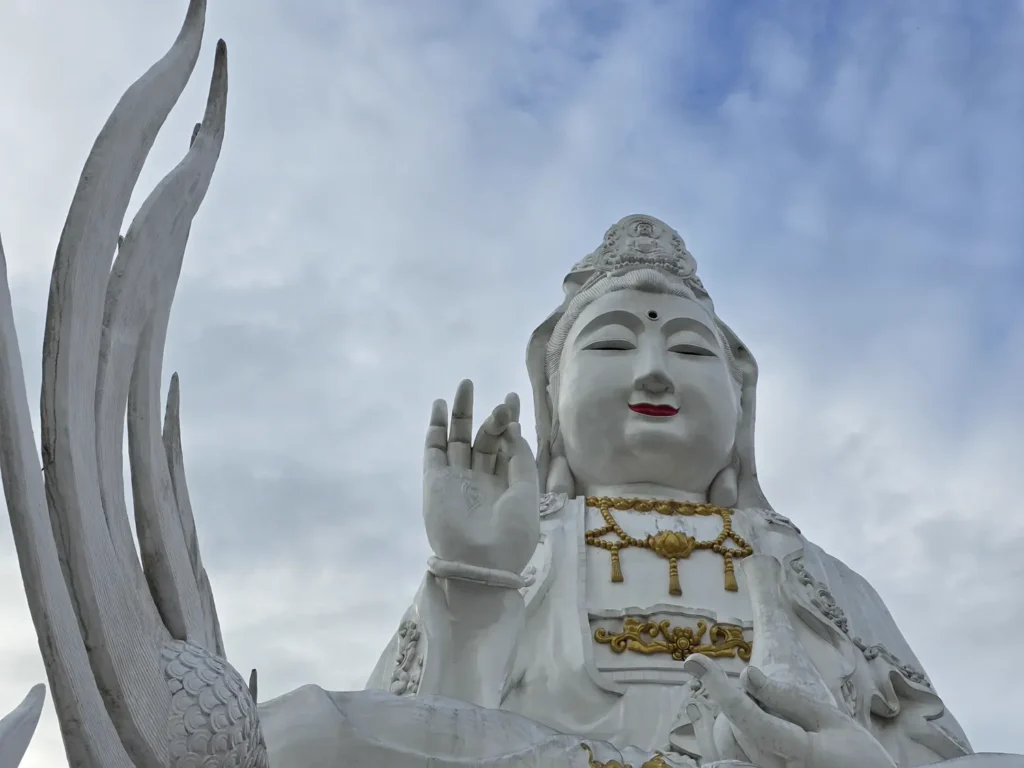
The last temple for the day was Wat Huay Pla Kang – another white temple that stands in the foreground of a gigantic and impressive statue of Guanyin, the Chinese Goddess of mercy. (I’ve learnt that since returning, of course at the time I just assumed if was a statue of Buddha).
The statue is the main attraction here – standing at 90 metres in height – it is visible from a fair distance as you drive along the main roads towards the temple. It’s looming figure is somewhat intimidating as you ascend the grand staircase to its base. I was surprised to find that the whole thing is supported by pillars, giving a open walking area directly underneath. It’s looks far too big and heavy to not be built directly from the ground.
The statue is hollow inside, and you can ascend the elevator for a small fee into the statue’s head – with small windows providing a panoramic all over the valley. Very much worth coming here just for this!
Evening activities back at the hostel involved numerous games and nights out to the local bars, and as always it was fun chatting to fellow travellers and listening to their own experiences and future plans.
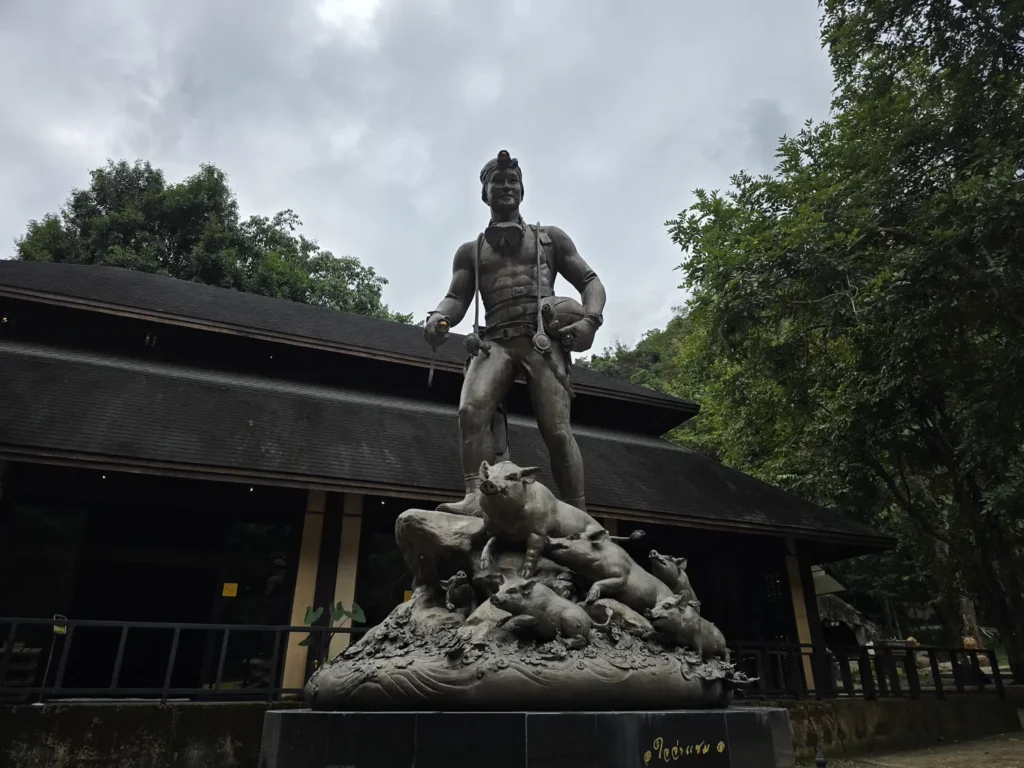
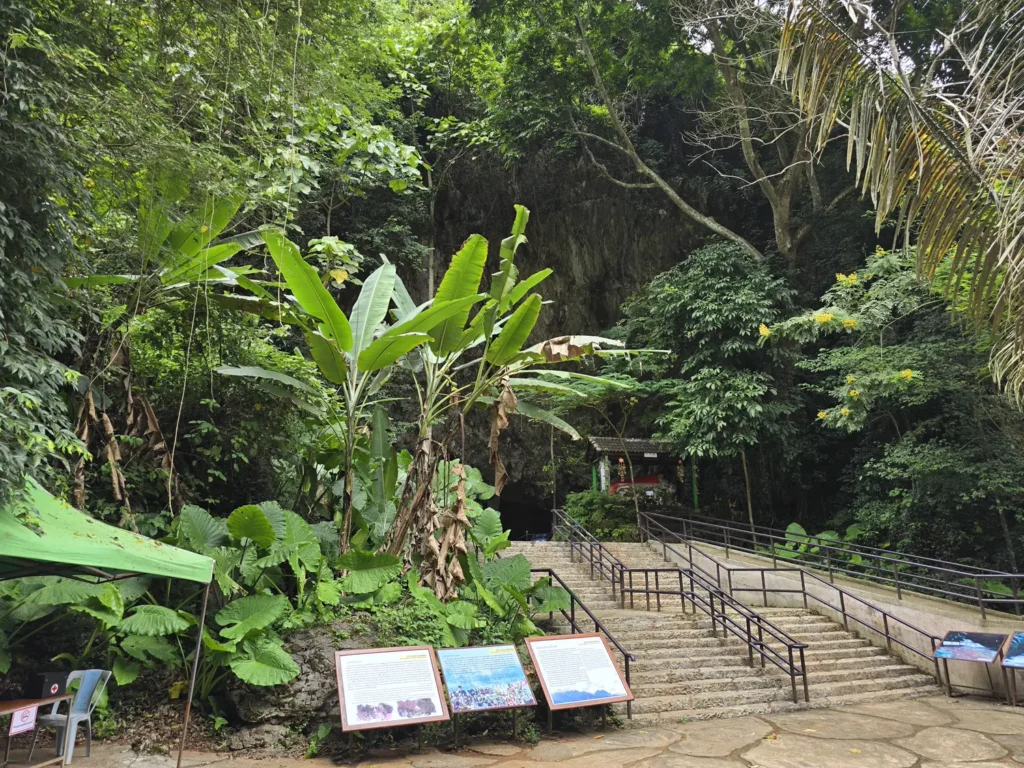
I made two trips over the next 2 days right into the northern limits of Thailand’s borders. The roads were easy-going, although I did get pulled over and fined on the first day for apparently not having the required bike license on my international driving permit (I can drive a car but not a tiny moped – ok?). It’s something to watch out for, and probably just a partial scam to get money out of travellers (I was most definitely picked out for inspection with my bright red backpack and aviators on).
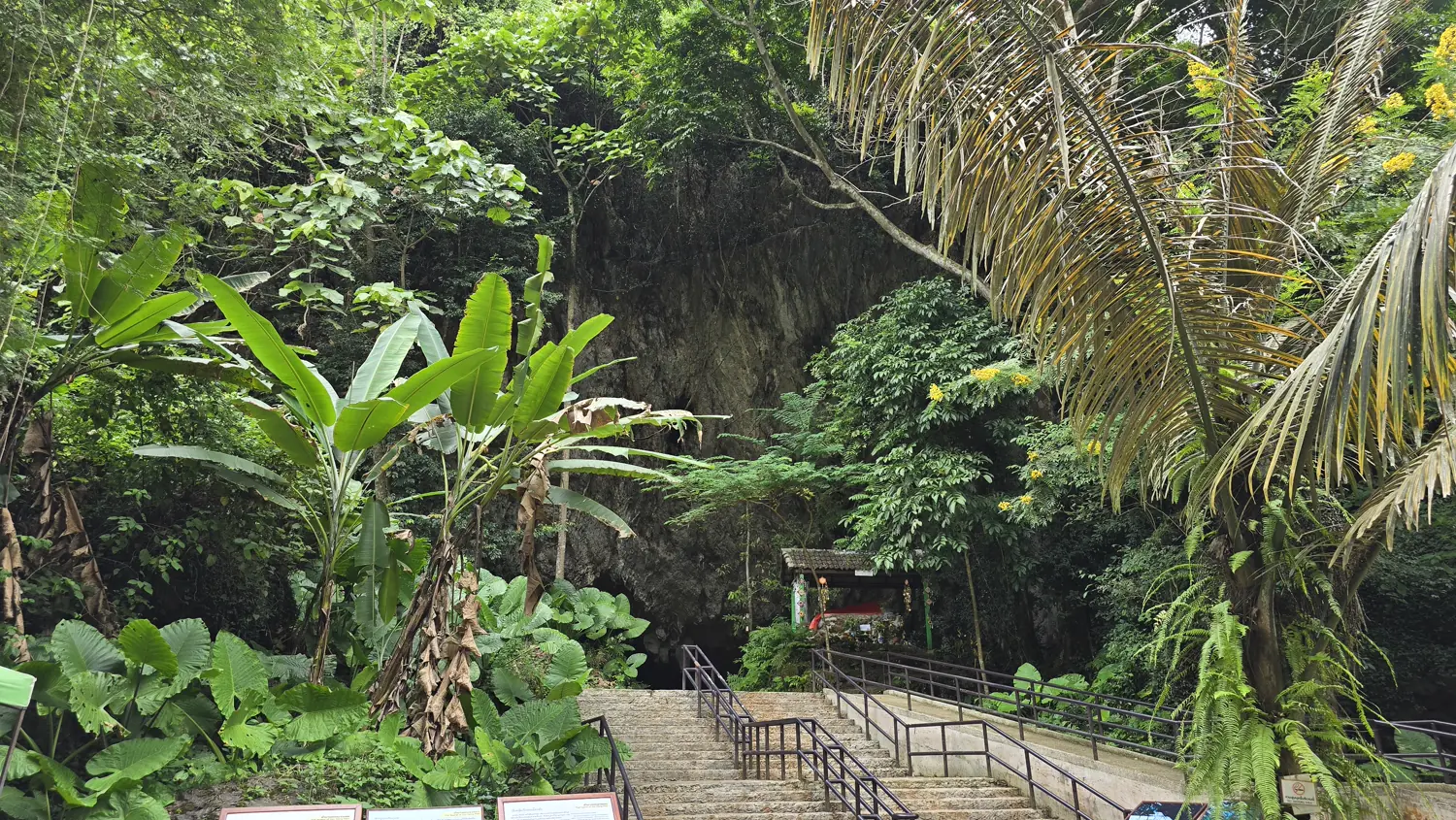
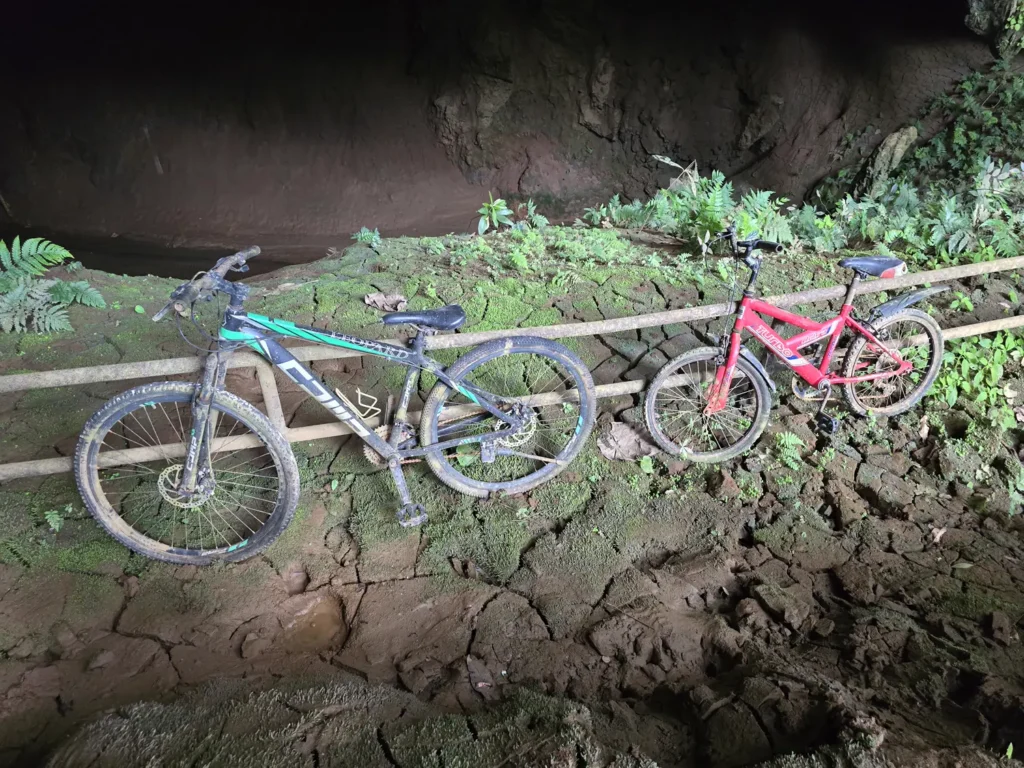
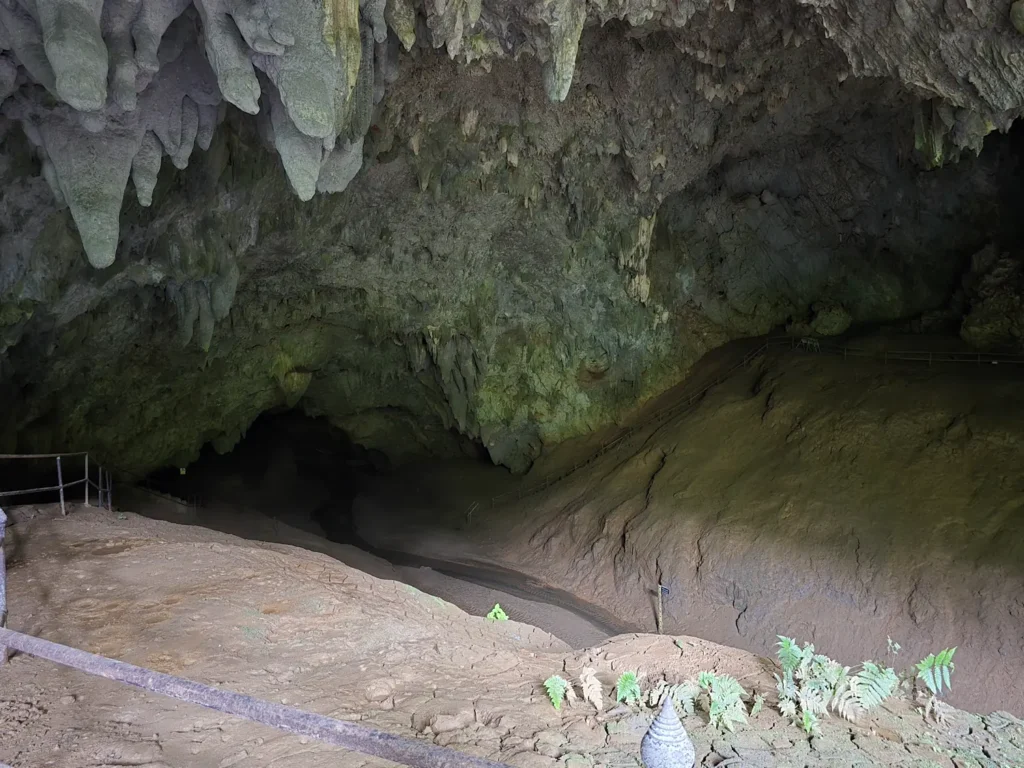
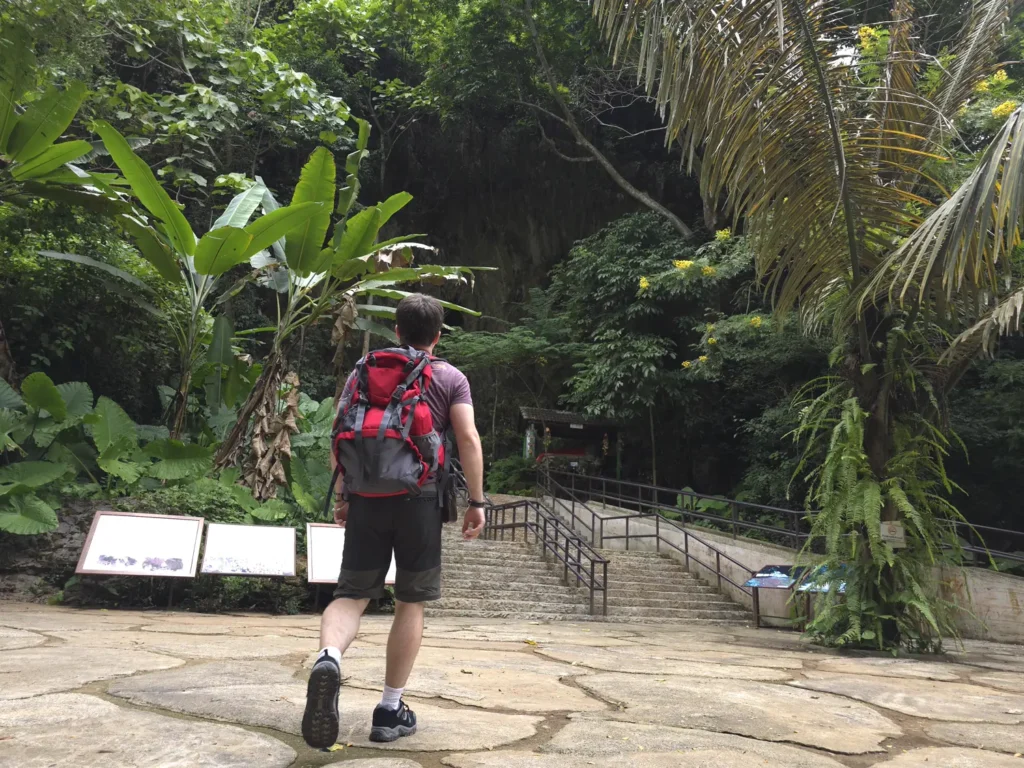
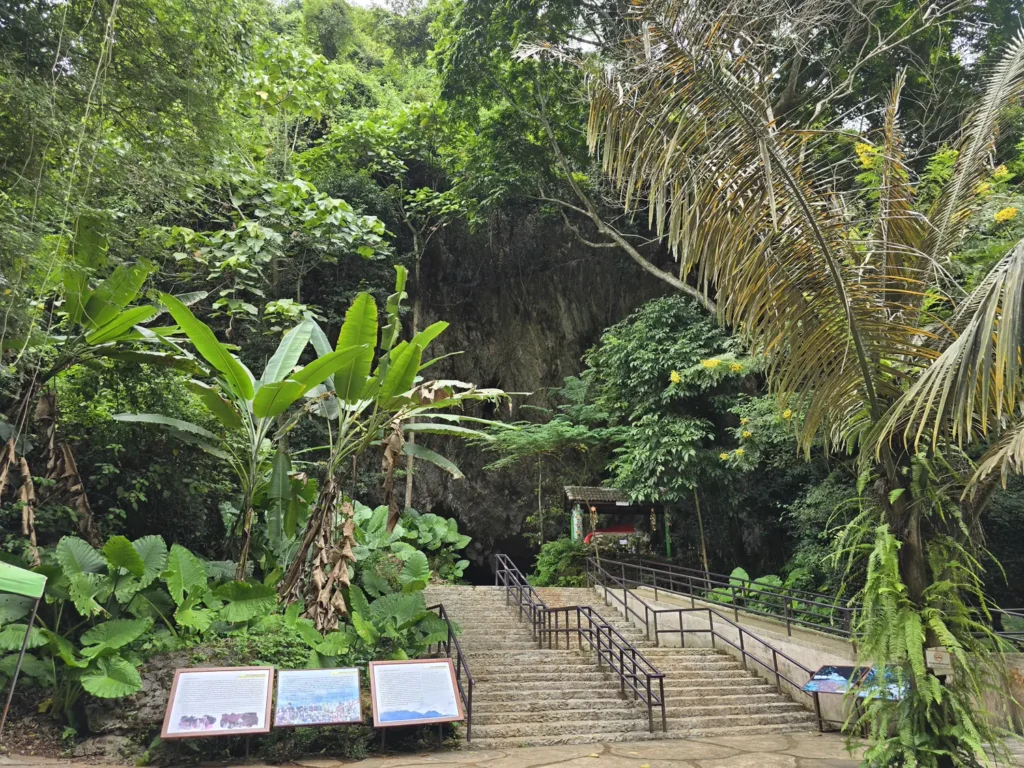
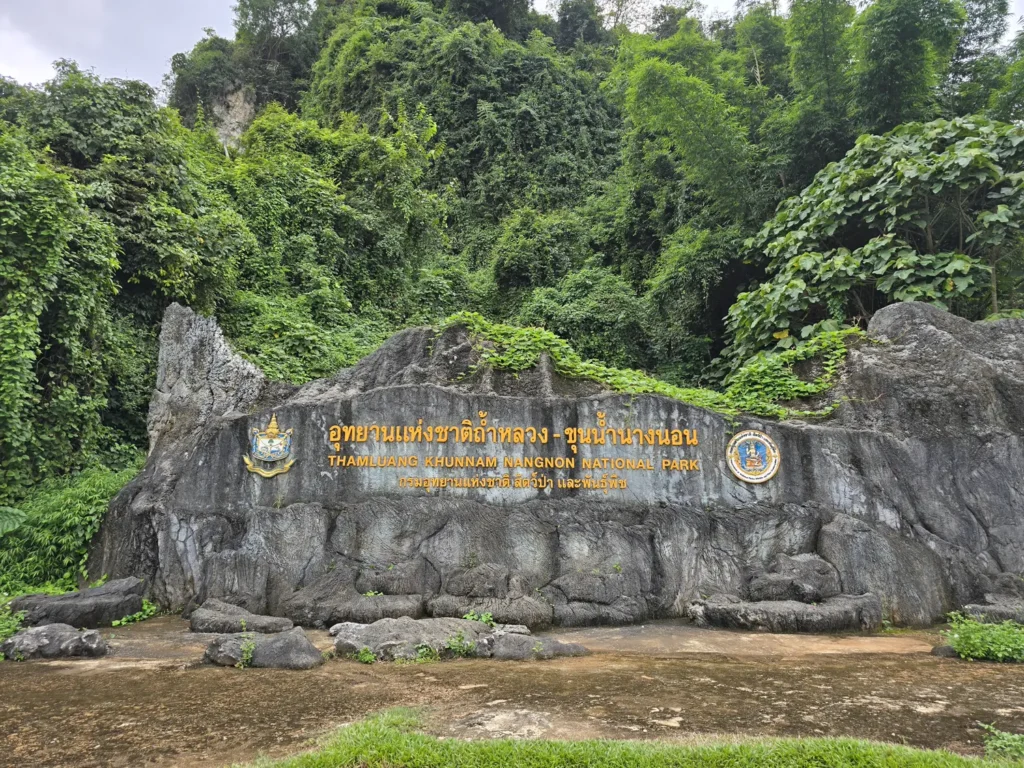
Anyway, I handed them some cash and continued north to the Tham Luang Nang Non national park and mountain range. On the edges of this sculptured landscape lay Tham Luang cave, a site that’s been on my to-visit list for many years.
I wasn’t doing a caving excursion like I’d done in Vietnam, but as an active caver back home I did have an interest in visiting the site of one of the most daring cave rescues in modern history (which is practically all of history – I don’t expect cave rescue were a thing before the 20th century).
The Tham Luang cave rescue occurred during June/July of 2018, after 12 young boys and their football coach entered the cave for a casual explore. During their trip, the monsoons opened from above, and huge quantities of rainfall flooded the cave and trapped the 13 people inside. A domestic rescue was launched straight away, but the rescue teams could not deal with the tight, flooded cave passages and were unable to find the boys.
International teams soon joined the rescue – both dedicated rescue organisations and military personnel. The British Cave Rescue Council sent a team of specialist cave rescue divers, and after initial attempts of diving inside the cave, they were not expecting to find anyone alive.
Miracles – and maybe faith – played their part however, and 10 days after the boys initially went missing, 2 British cave divers located all 13 alive inside the cave. It was by no means a simple situation. The 2 divers had travelled 2.5 miles into the cave – with hours spent underwater. After the news broke that all 13 were alive, the question arose of how exactly to get them out.
There was no easy option. Diving out 12 young boys through flooded, dark and cramped cave passages was infeasible. A smaller rescue had already taken place when the divers discovered a couple of water engineers trapped in a different chamber in the cave (the rain had continued throughout the initial rescue days, so the water had continued to rise). These guys only had to travel a few meters, and their panicking whilst underwater had put everyone at risk including the divers.
Leaving the boys in the cave until the waters receded was also not likely to be successful. It would be months in a cave with diminishing oxygen and increasing risk of infection – not to mention the chances of the waters rising further and flooding the cave completely. For those at the front of the rescue operations, it really seemed like a hopeless situation.
Rick Stanton – one of the 2 divers who found the group – had an idea that sounded so ridiculous that is was barely worth thinking about. He called upon his fellow cave diver Doctor Richard Harris – an Australian Anaesthetist to assist with the rescue. Rick’s plan? Render the boys unconscious and then dive them out. It was a desperate idea that was not unexpected to be 100% successful, but with waters continuing to rise – and the death of Thai Navy Seal Saman Kunan in the cave – it became the only option spare leaving them inside to die.
The plan was kept under wraps, and in Rick’s post-rescue autobiography, he explains how he suspects the ultimate decision to proceed with the rescue came from Thailand’s highest authority – the King himself. The rescue divers practiced everything as best as possible in a local swimming pool with other young children, but this would be no equal comparison to the real environment.
16 days after the boys entered the cave, the rescue operation commenced. Over the next 3 days, all 12 boys and their coach were sedated, fitted with masks and breathing equipment, and dived through the most extreme of underground conditions. Fatalities were expected, but by the end of the 3rd day, all 13 had been brought out alive.
It would have been the perfect rescue without the loss of Suman, and another Navy Seal who later died from a blood infection obtained during the rescue. But against the odds, it still remains a global achievement that tested and proved the people’s collective resolve.
I was only able to see the entrance of the cave, but just to see where it all happened was reason enough to visit. There is a small exhibition that details the rescue operation for local visitors, and a monument to Saman Kunan. It probably isn’t the best trip for those not interested in the caving world – but since I was in the area, I ticked it off the list. Maybe I can return one day and explore the cave itself.
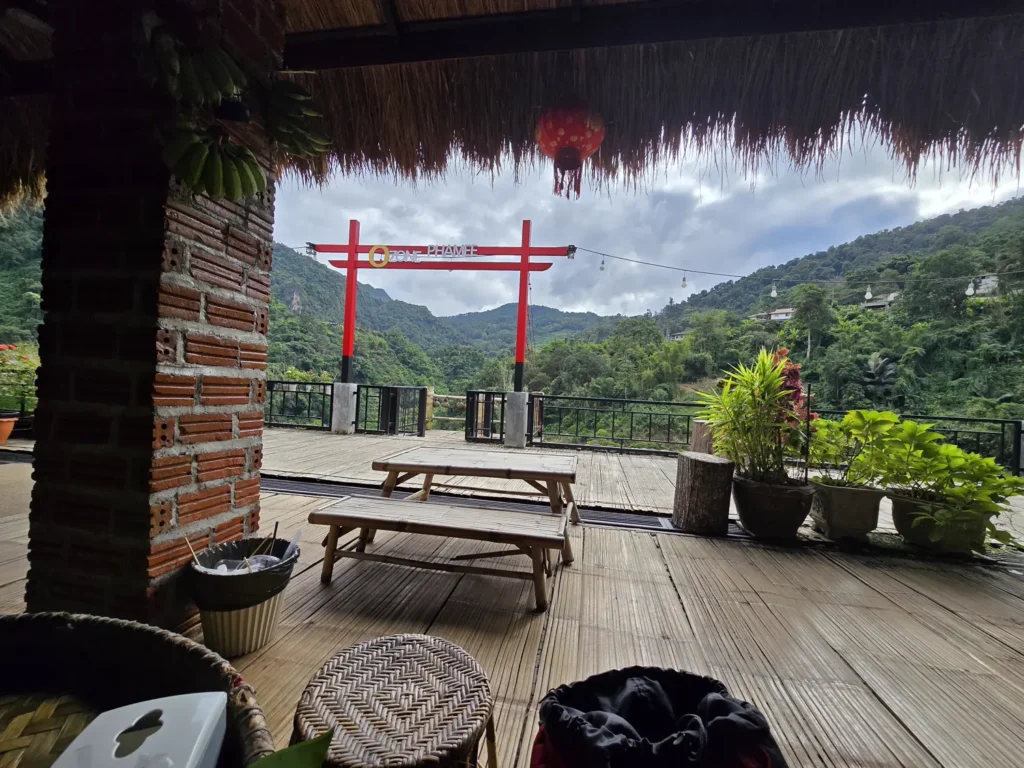
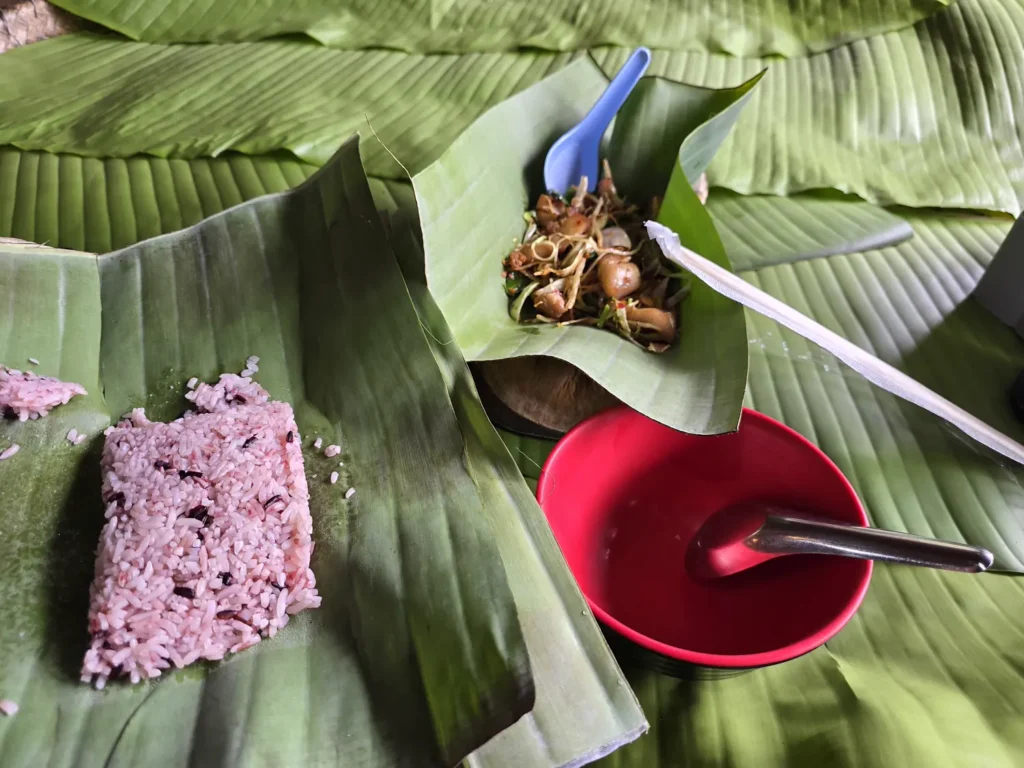
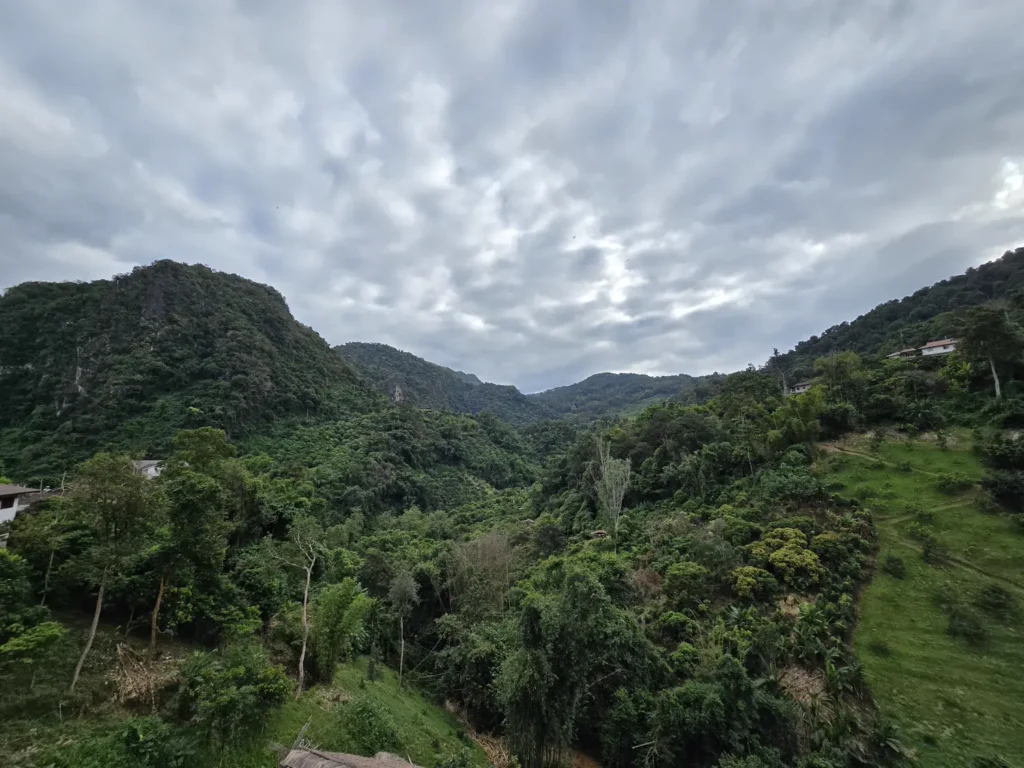
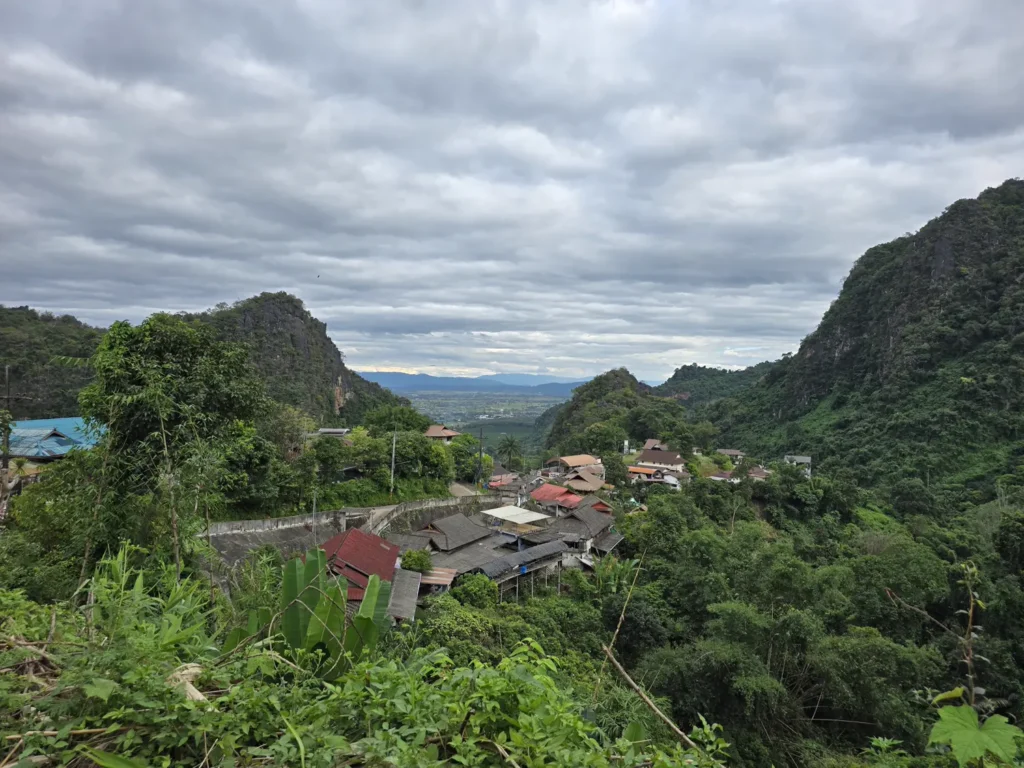
I explored some of the rural mountain villages whilst in the area, having an incredible pork noodle dish in one of the local cafes and discovering a new favourite drink in the fruit sodas. It’s amazing what you can find in these seemingly desolate places where you see barely any people.
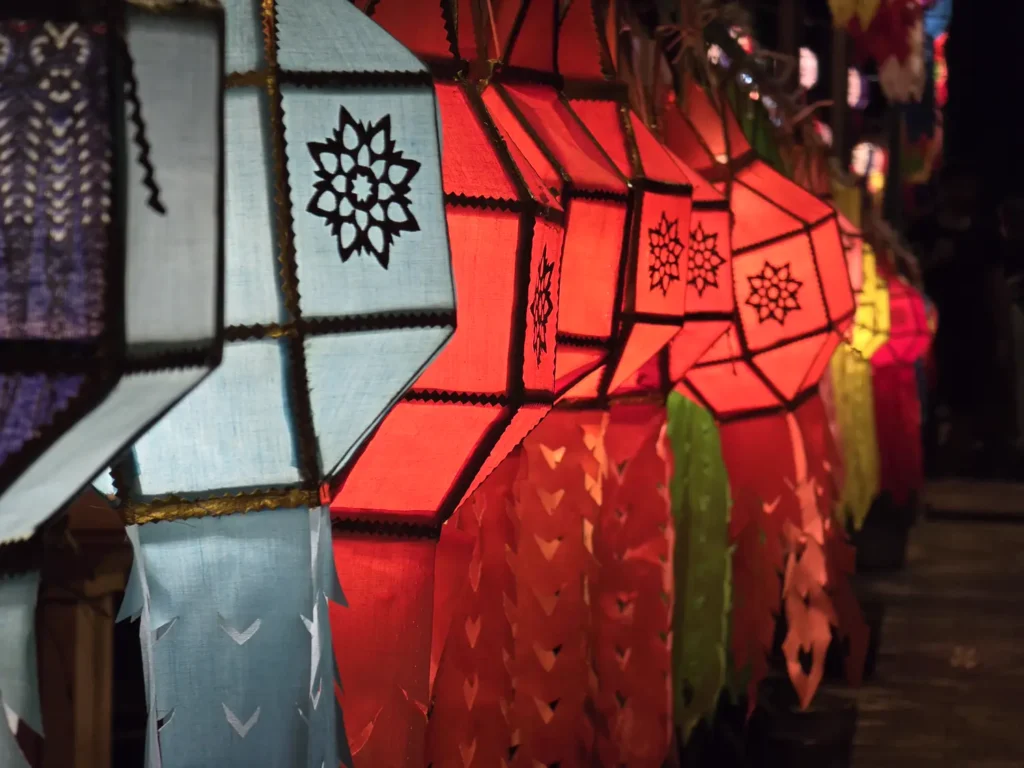
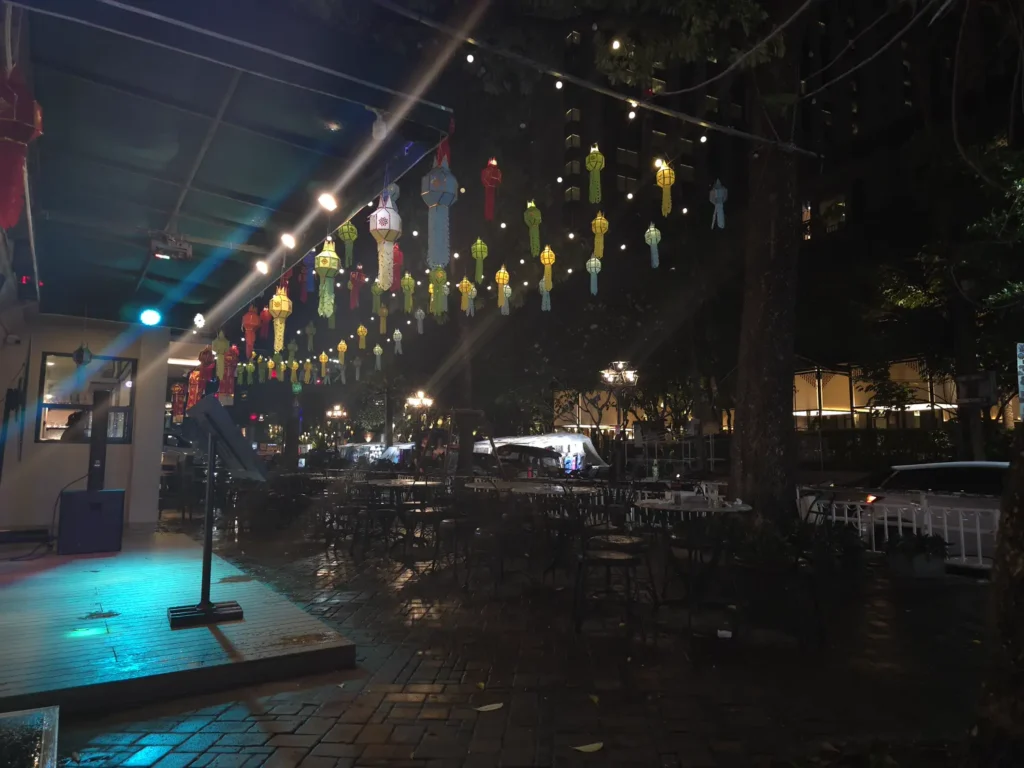
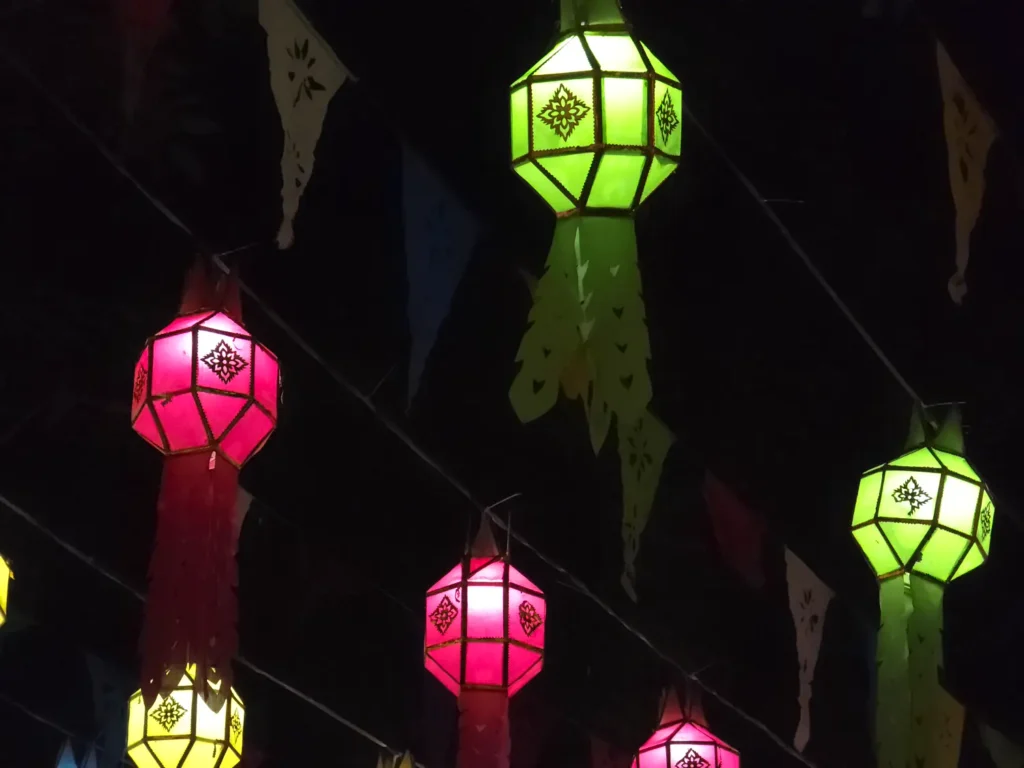
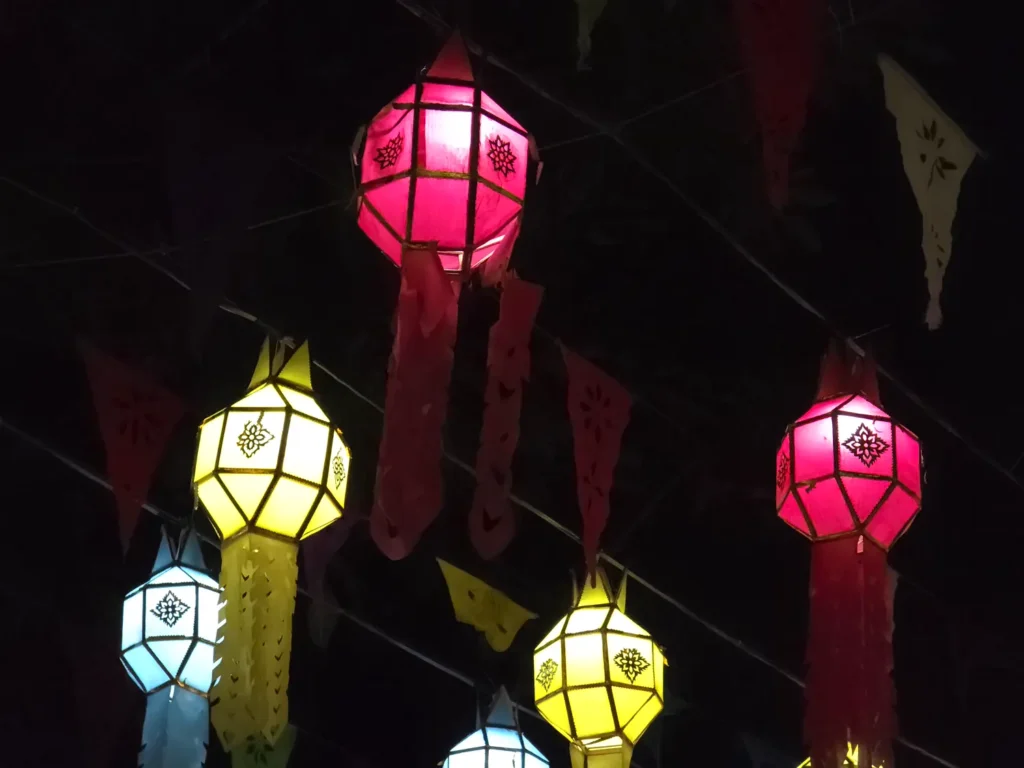
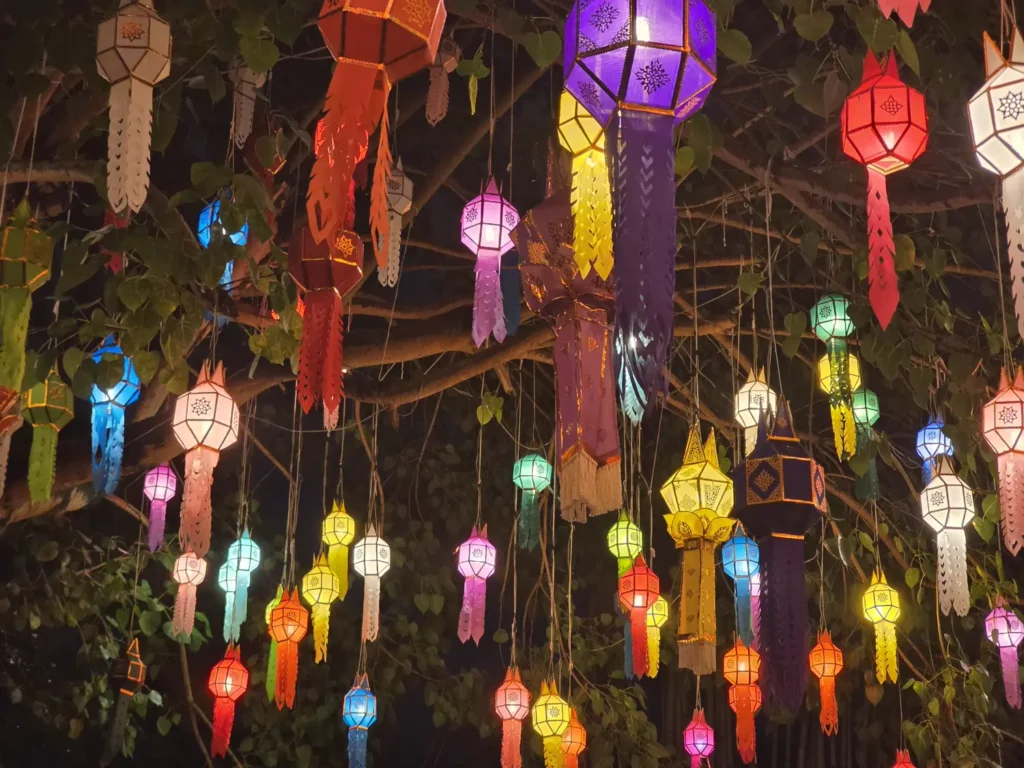
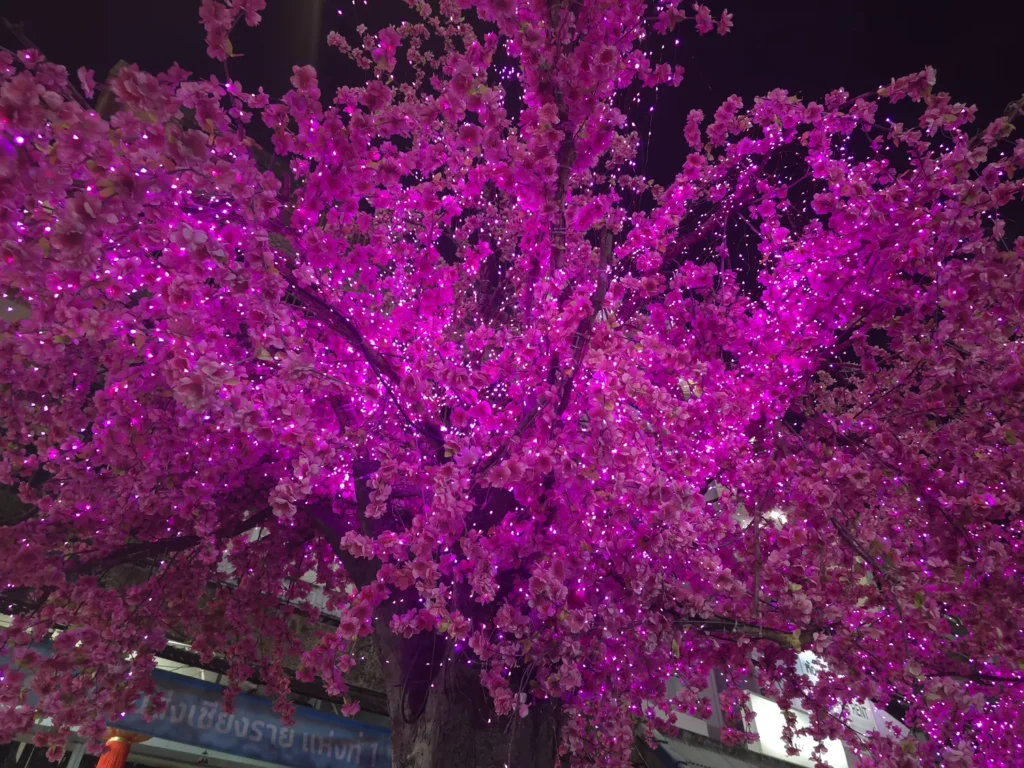
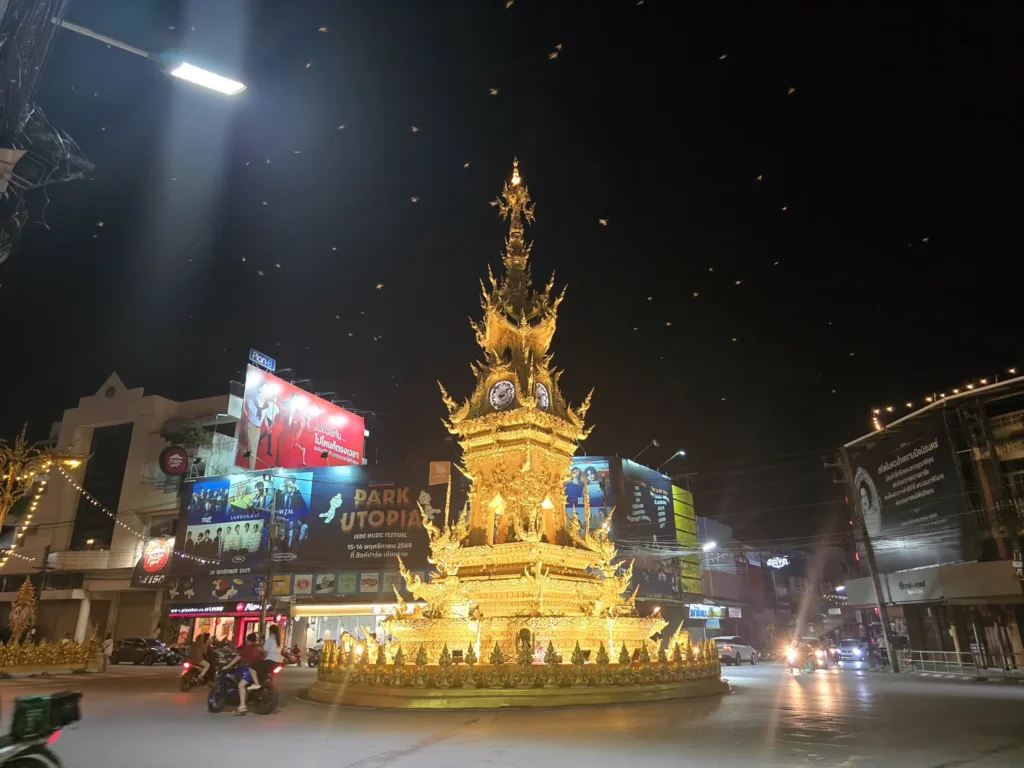
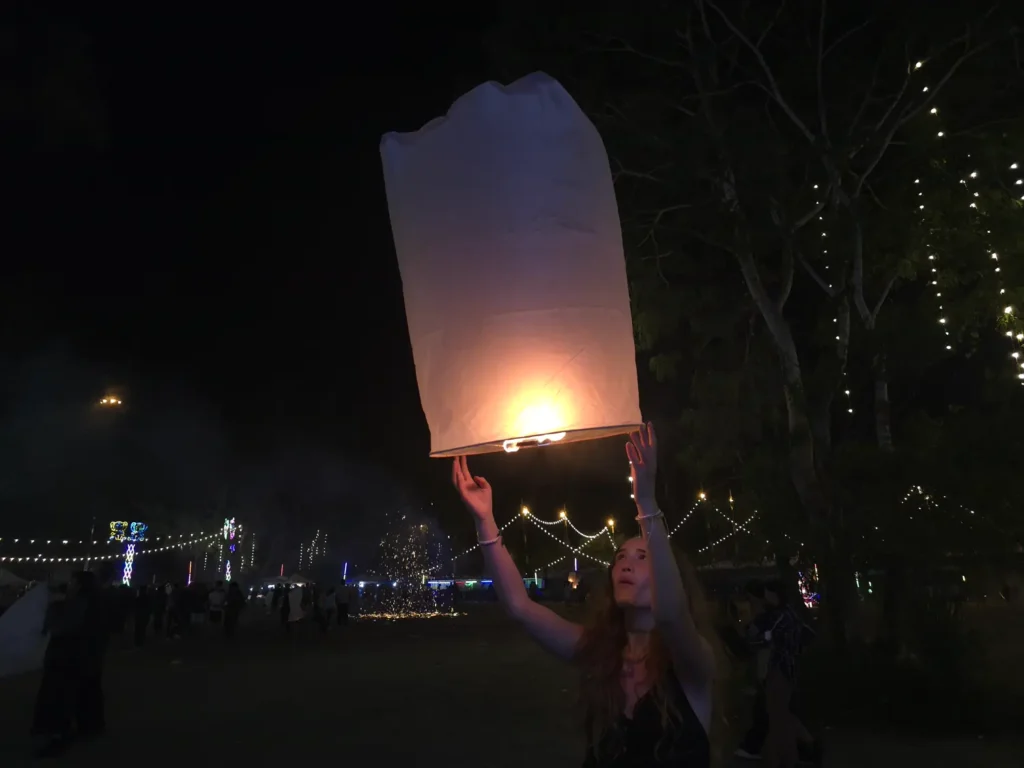
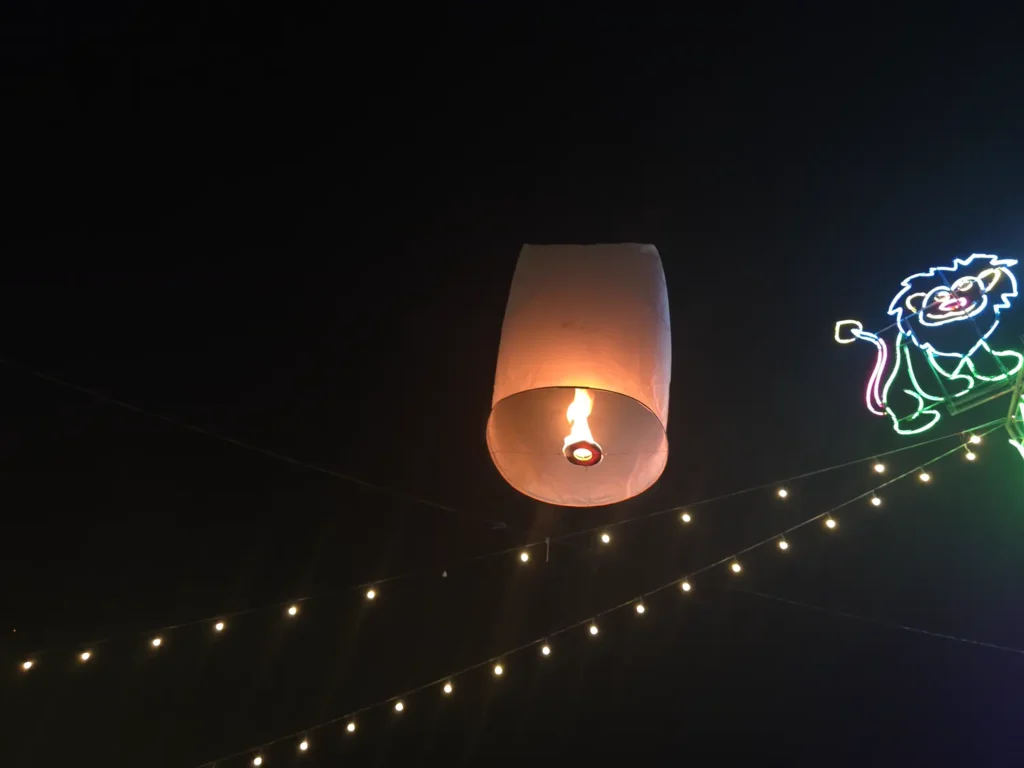
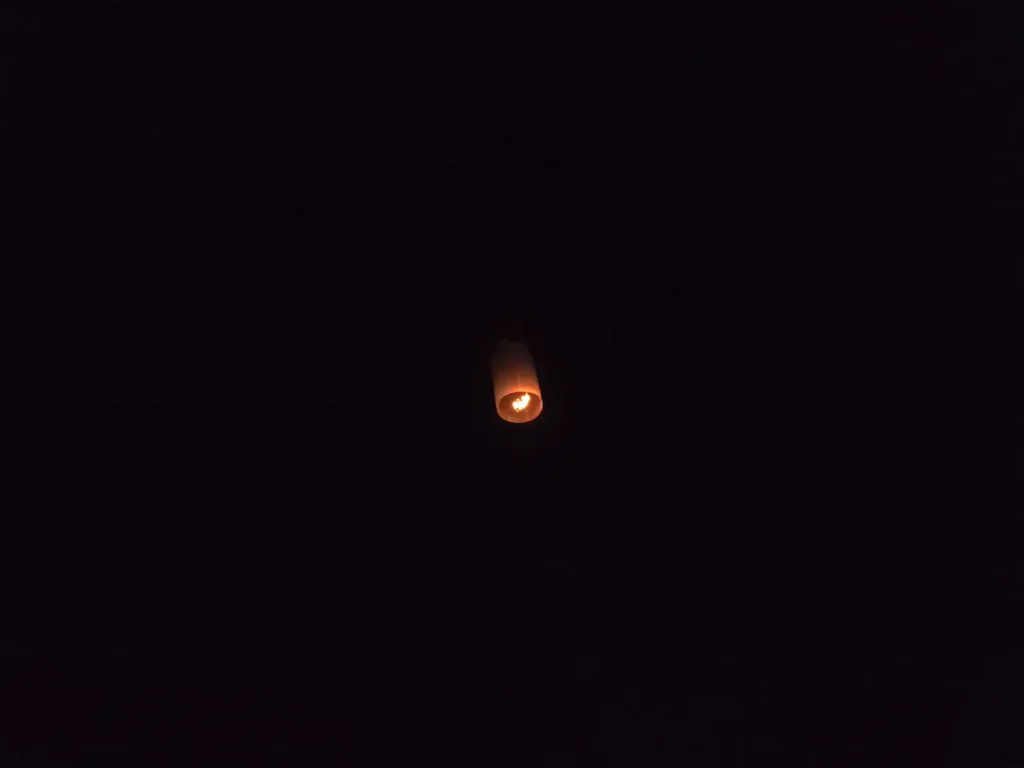
That evening was something slightly different. I’d inadvertently timed my trip with the Yi Peng Festival, a lantern festival traditionally held in Chiang Mai, although other regions in Northern Thailand have their own versions. The festival is held for 3 days and is timed with the full moon of a particular Thai lunar calendar.
Chiang Rai’s festival was held on the banks of the Kok River, and I’ve genuinely never experienced such “fun chaos”. Alongside the thousands of sky lanterns that get released during the night, people were freely setting off fireworks from wherever they wanted. It felt completely lawless, and walking across the more open space by the river, I had to make sure I wasn’t walking into some sort of firecracker or other explosion.
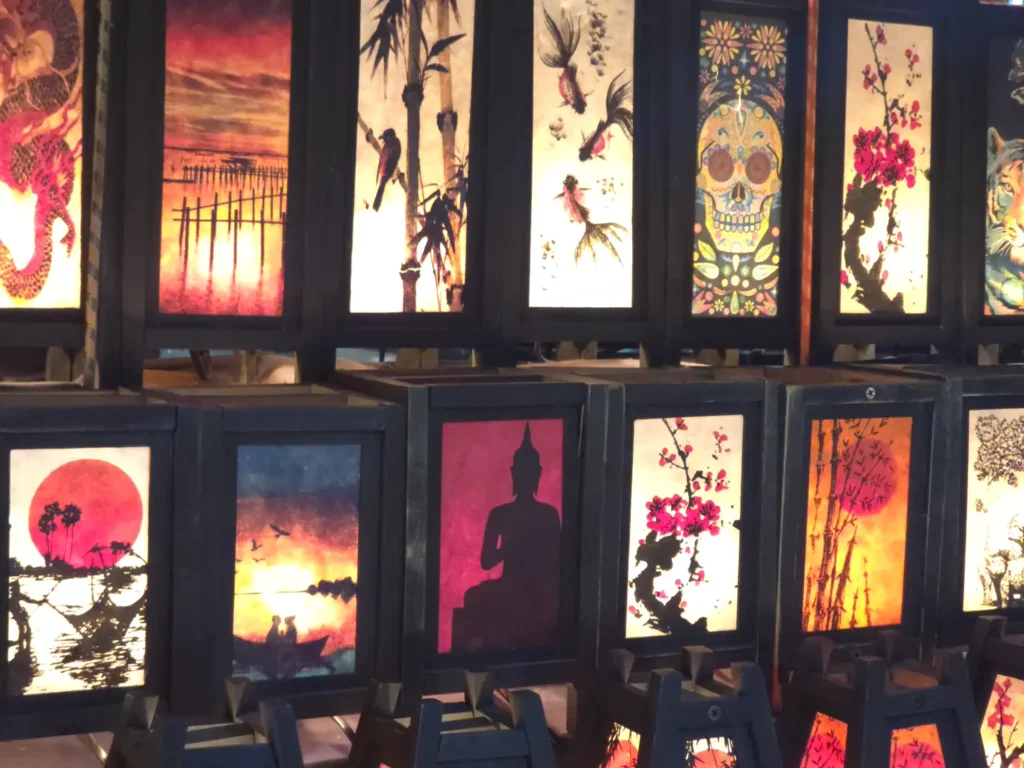
A huge market had been set up for the occasion, and as expected it was jam-packed all the way down. It was a good night and if you are visiting North Thailand at this time of year (November time) then I’d definitely try and go to one of these festivals.
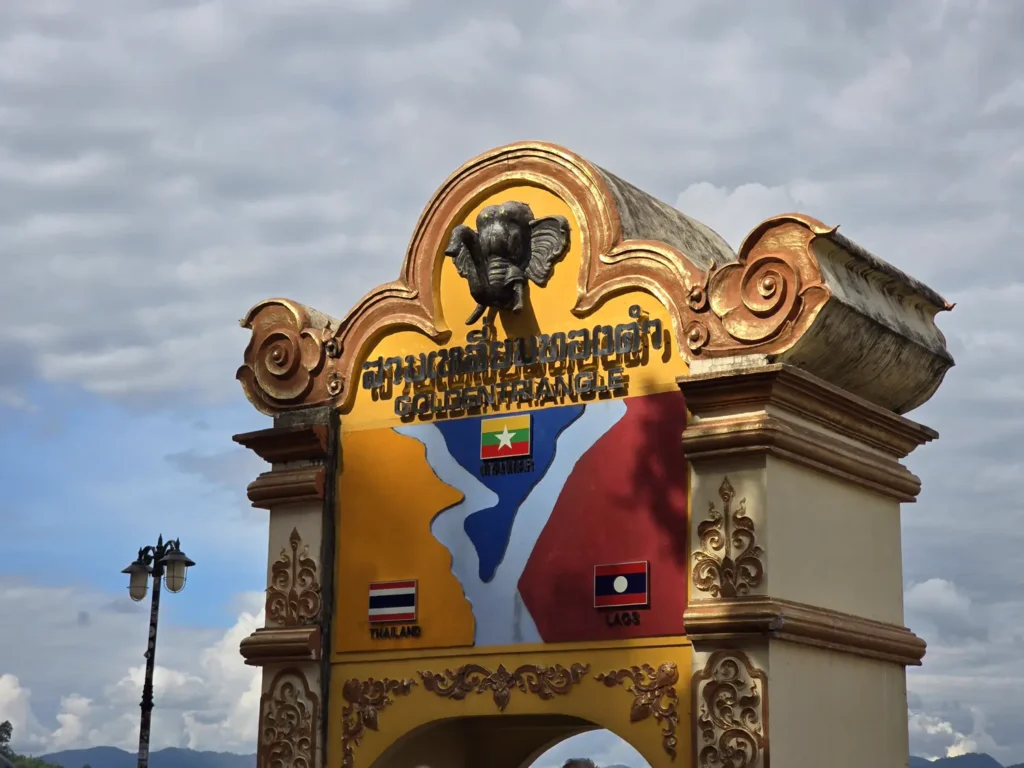
My next trip took me right to the northern border – an area known as the Golden Triangle that splits Thailand, Myanmar and Laos. It’s historically known as a significant area for Opium production – and still is in the present day. The border town wasn’t the most lively place I’d been to – but it does have a couple of interesting museums relating to opium and the illegal drugs trade. It’s probably more worth visiting if you’re planning on taking a boat to one of the other countries.
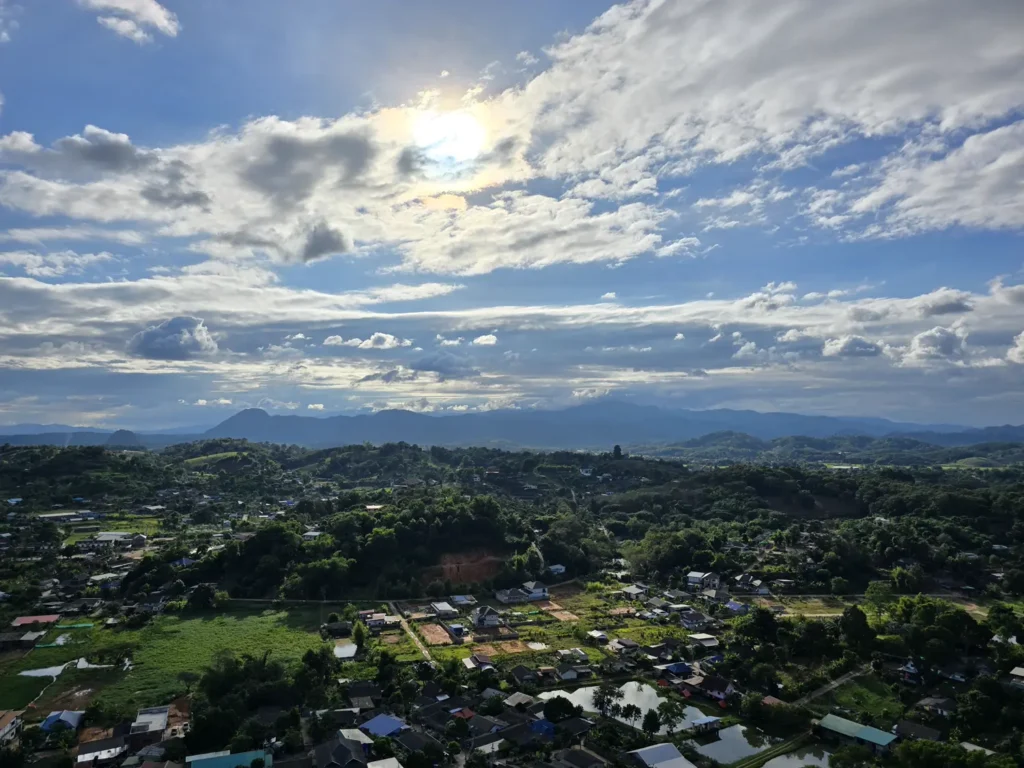
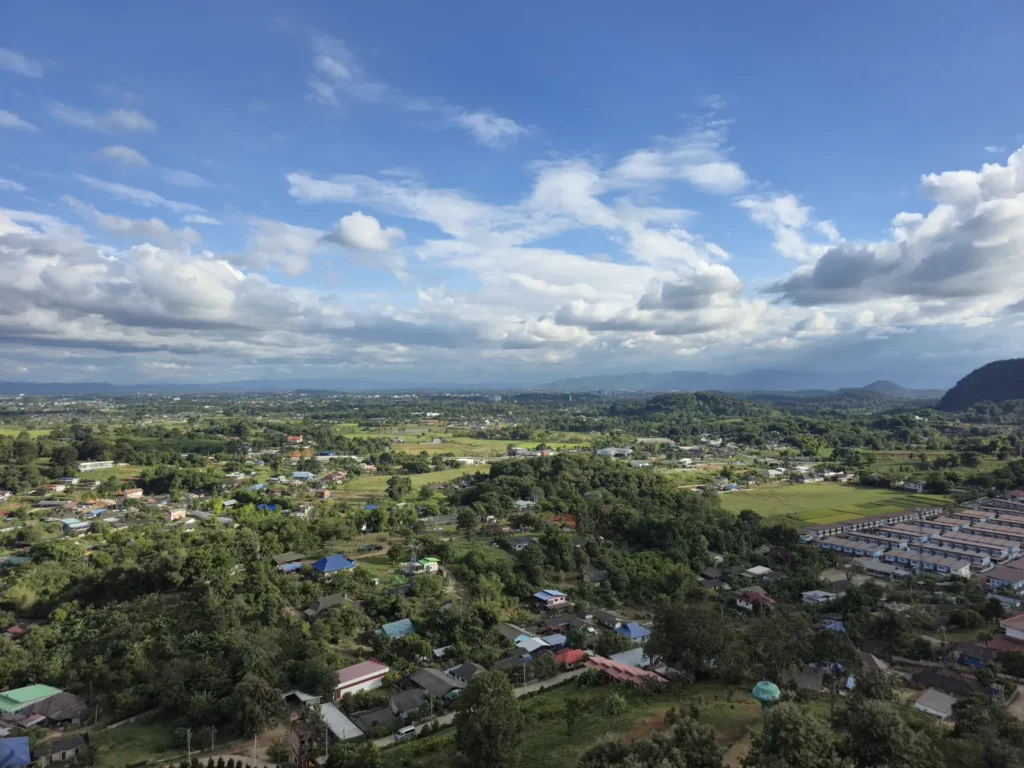
I continued exploring more of the rural areas – simply enjoying the peace and scenery. You can find homestays in the most random places out here, and I think a true day-to-day backpacking trip would be quite easy if you wanted to do that. There was a point up in the hills (Doi Sa Ngo) where you could look over the valleys and across the borders.
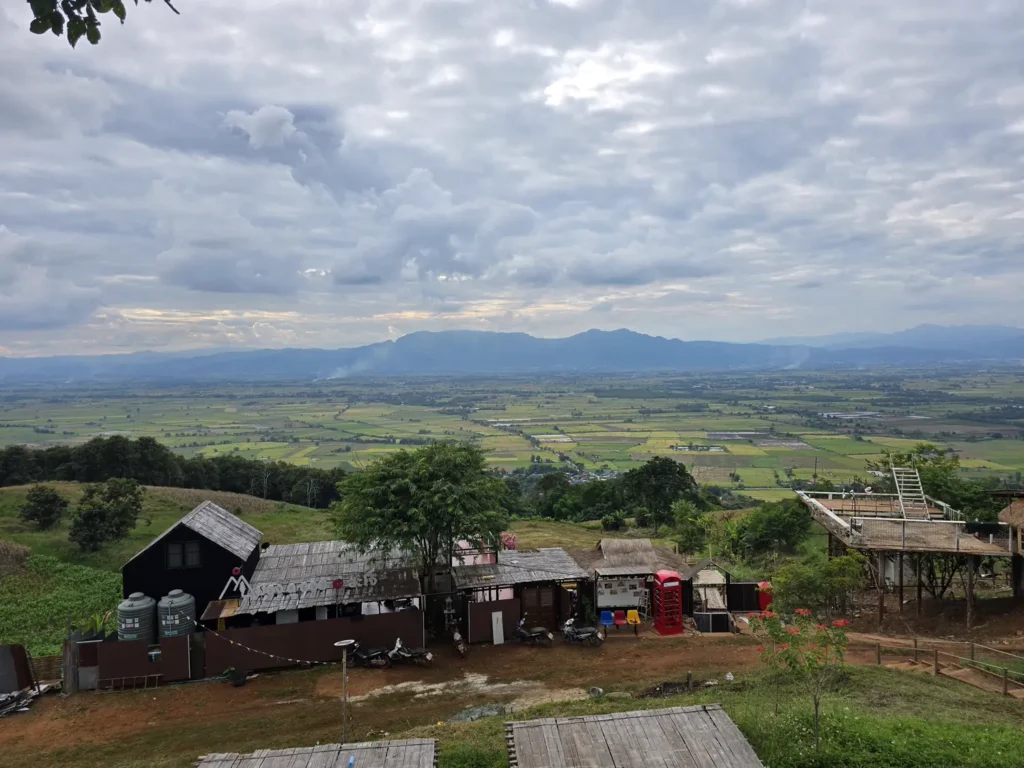
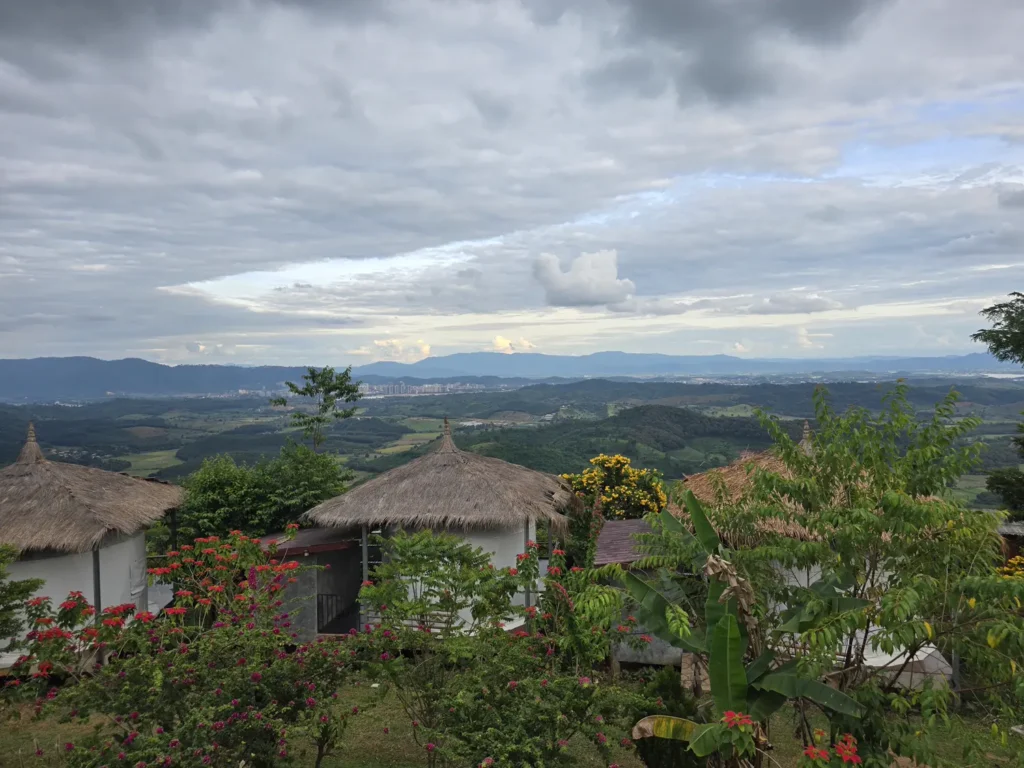
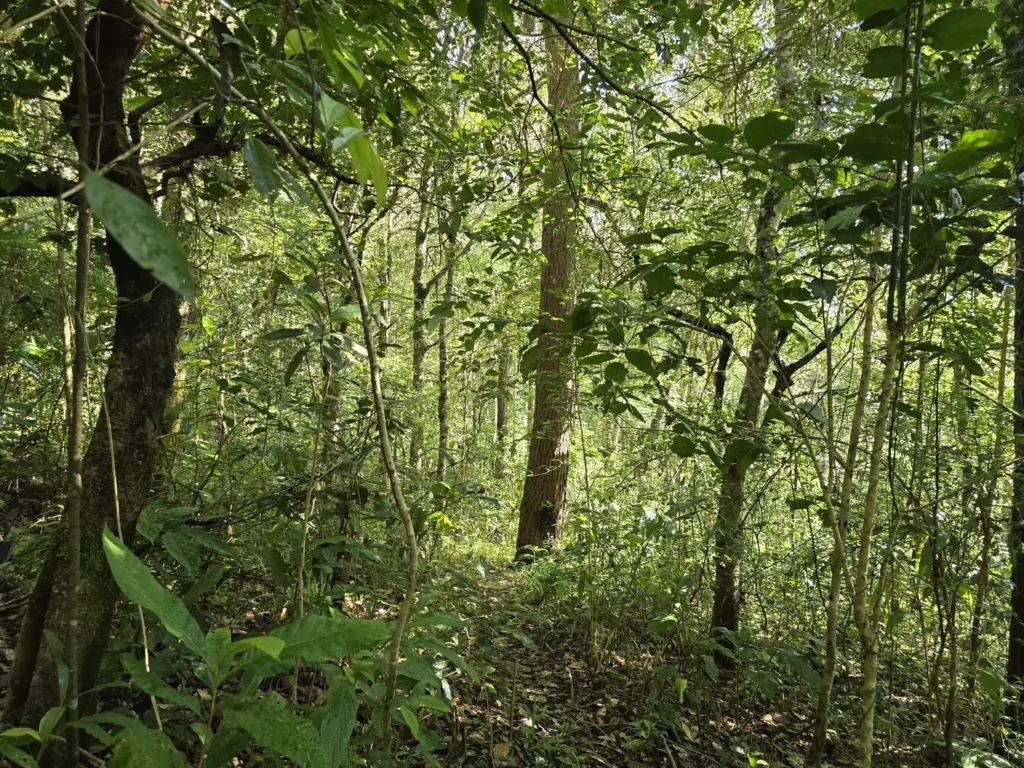
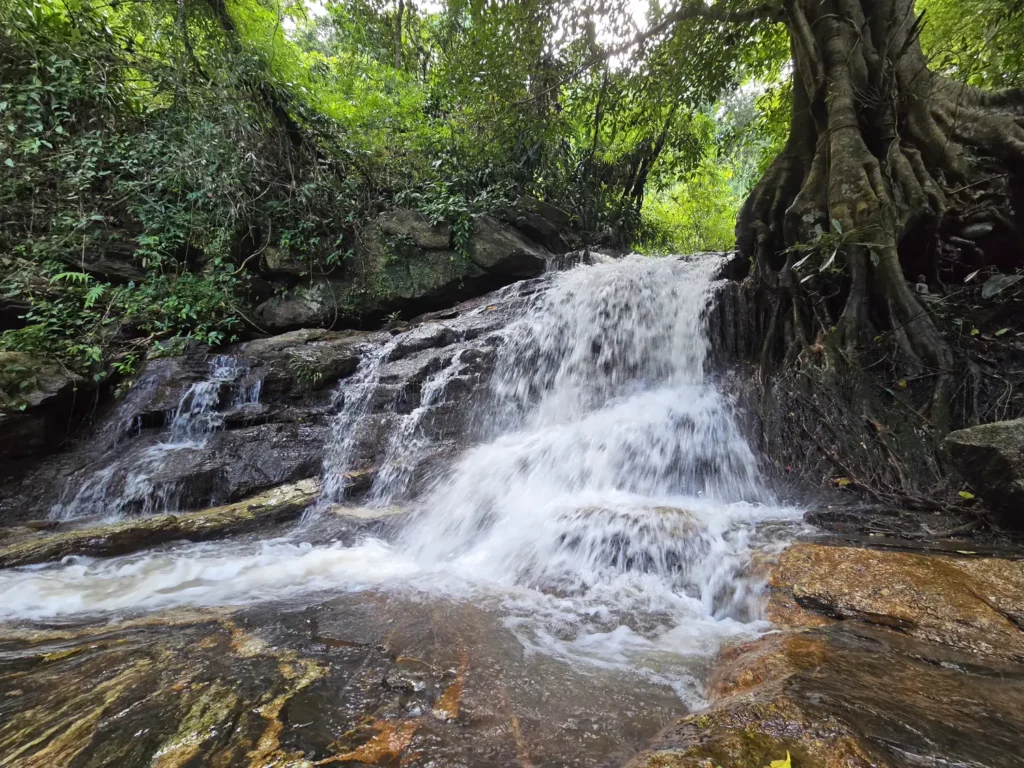
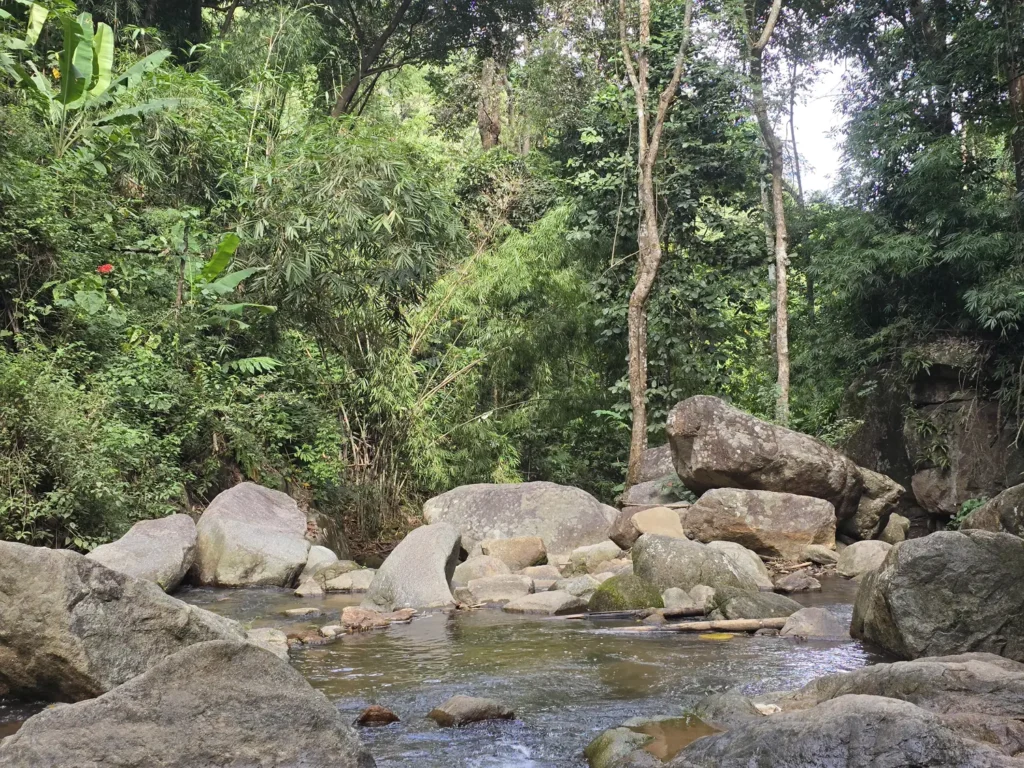
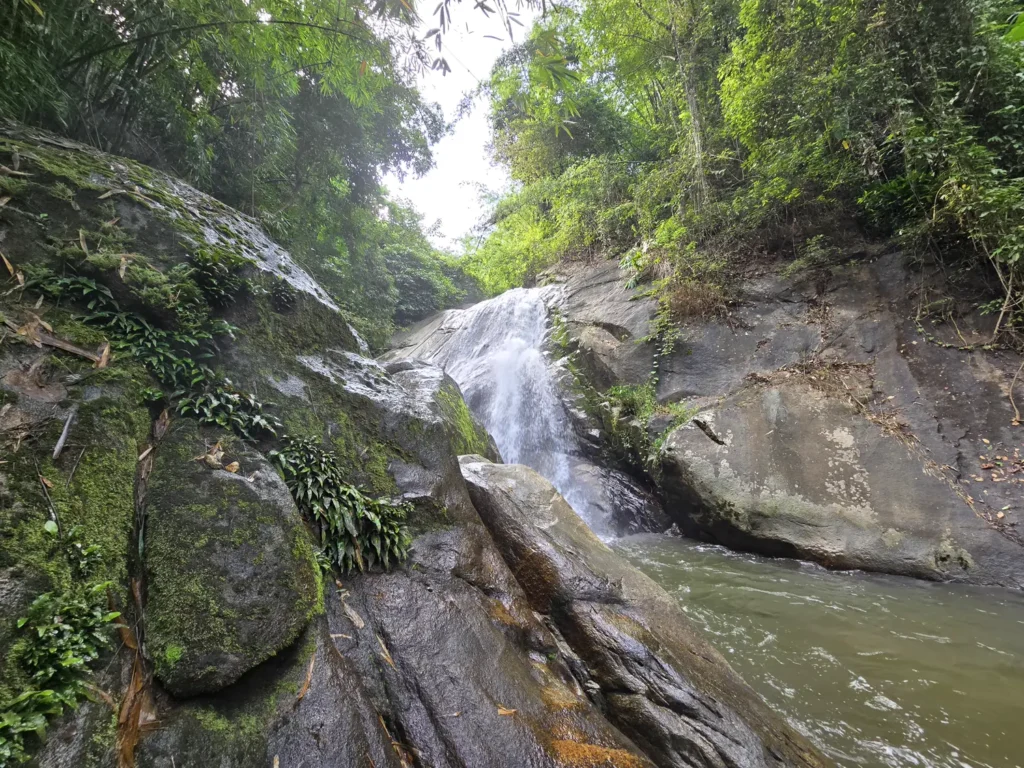
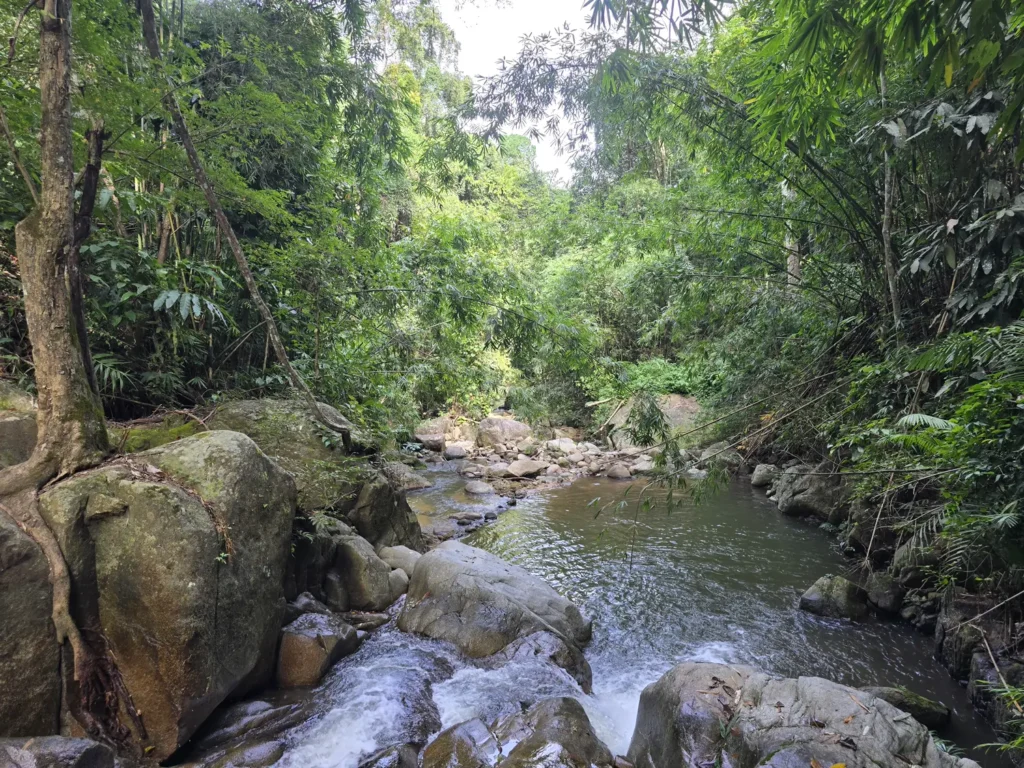
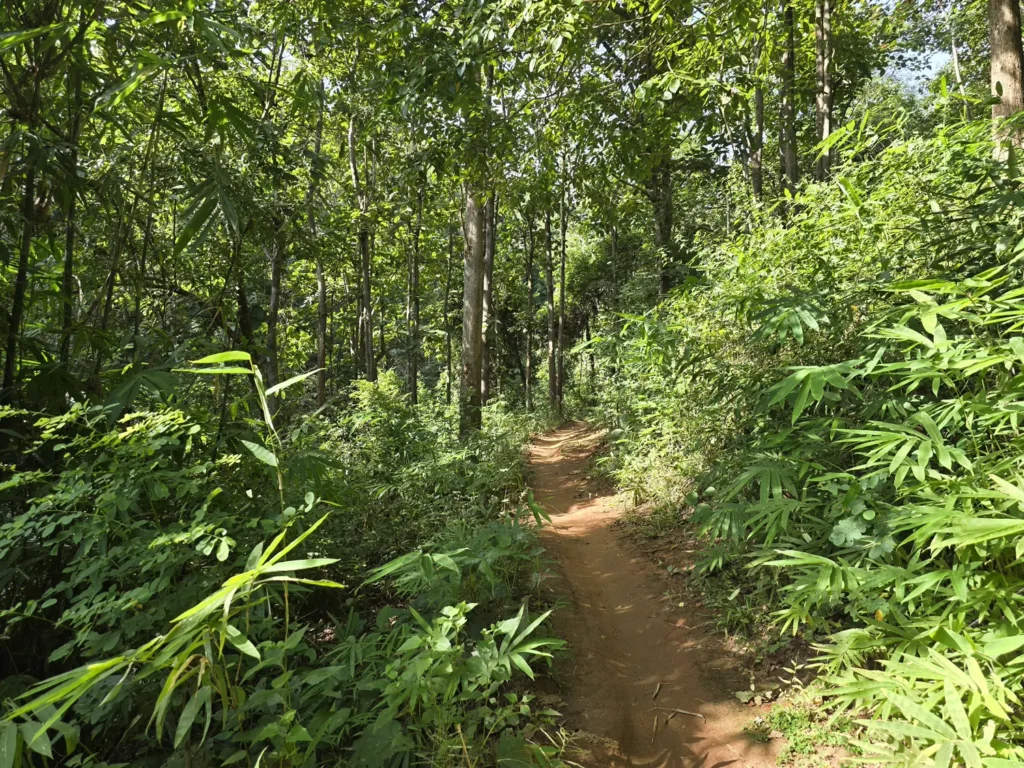
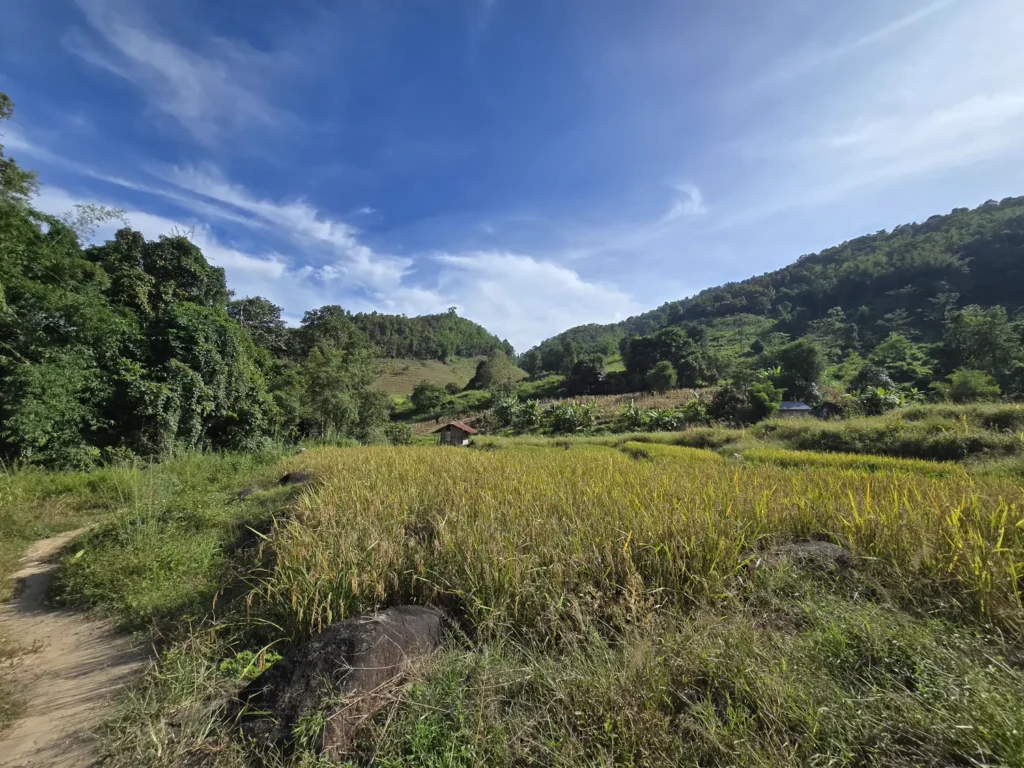
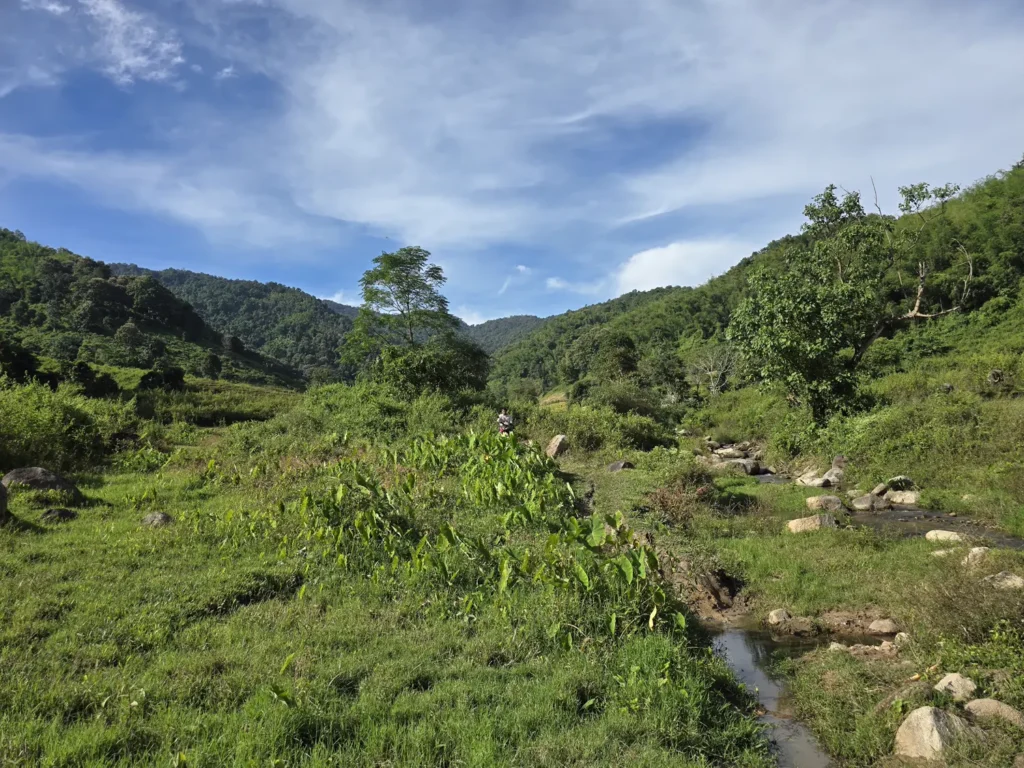
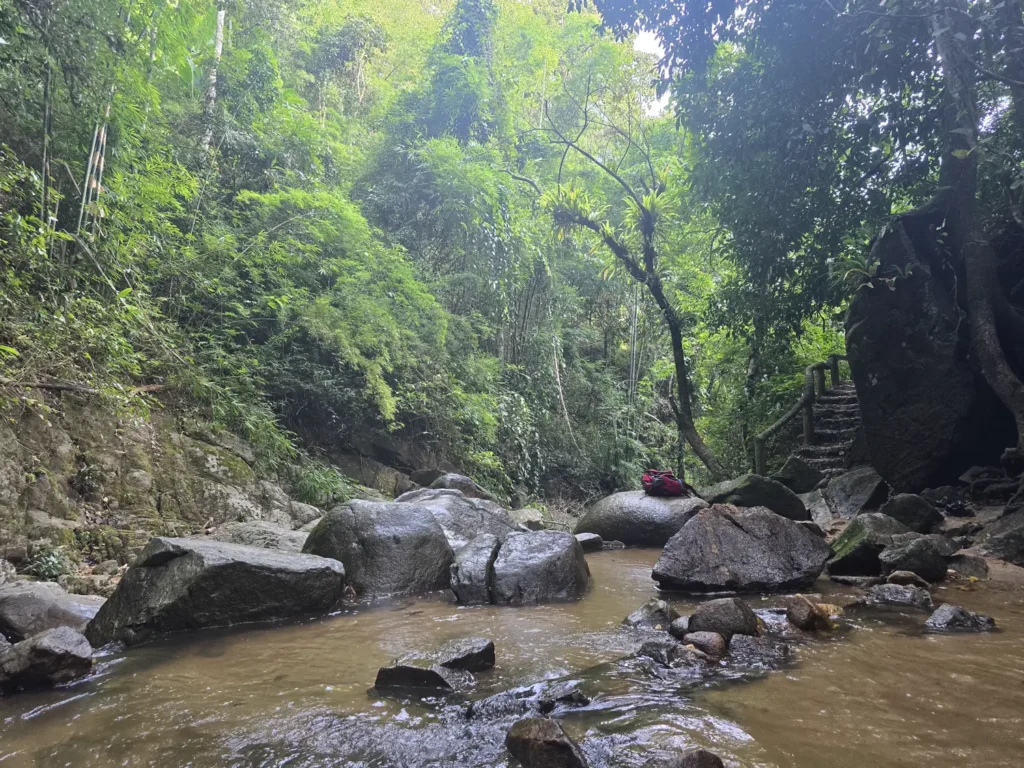
I fancied some sort of small hike on my last full day in Chiang Rai, so I visited the Huay Mea Sai waterfalls and trekked up into the hills. They weren’t the biggest or most exciting waterfalls I’ve seen in all honesty, but it was a good spot to just simply go and explore. I carried on past the waterfalls into the jungle, passing a few horrific-looking spiders. Quite quickly I came out of the trees and into an upper valley, where very small villages could be found. It was quite remarkable to think where I’d driven to just to get to the waterfalls, and yet beyond even that there were places where people actually lived. Farmers worked the plantations as I walked through the valley, with herds of cows and random huts all along. It just made me think about the completely different lives people could live.
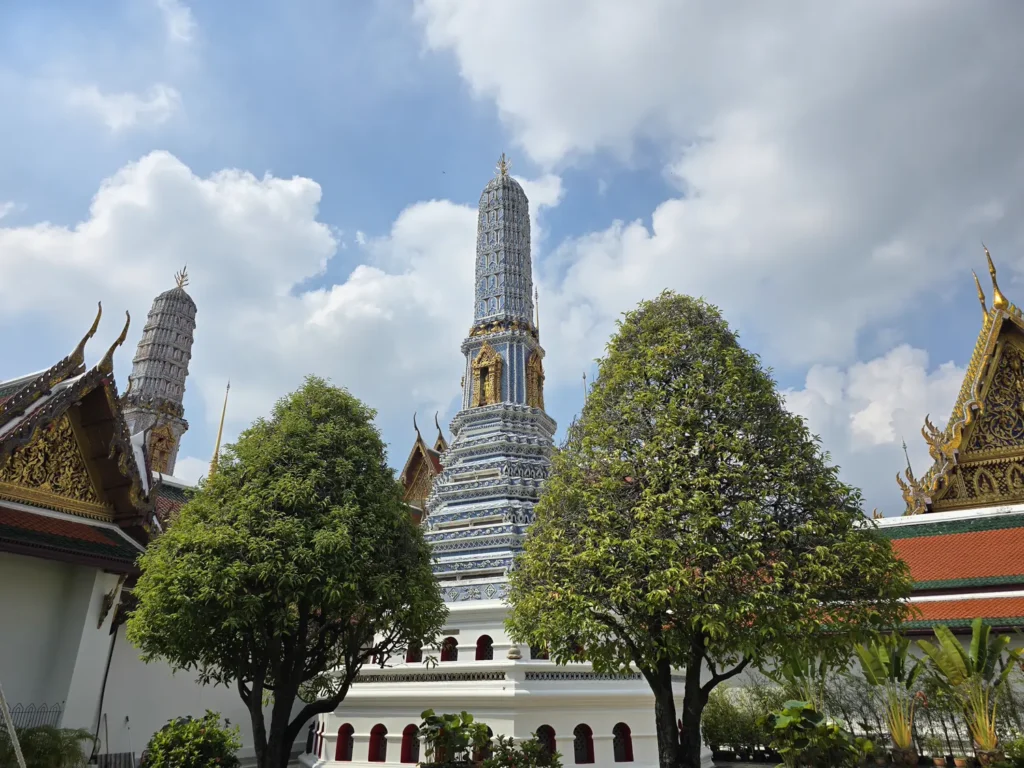
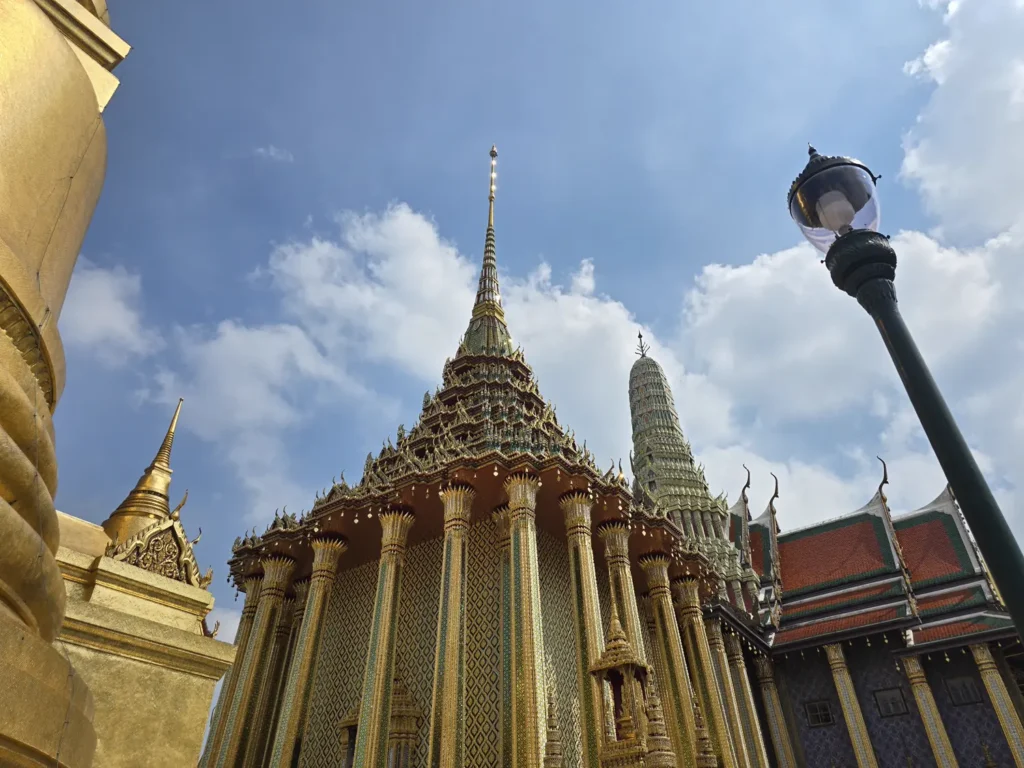
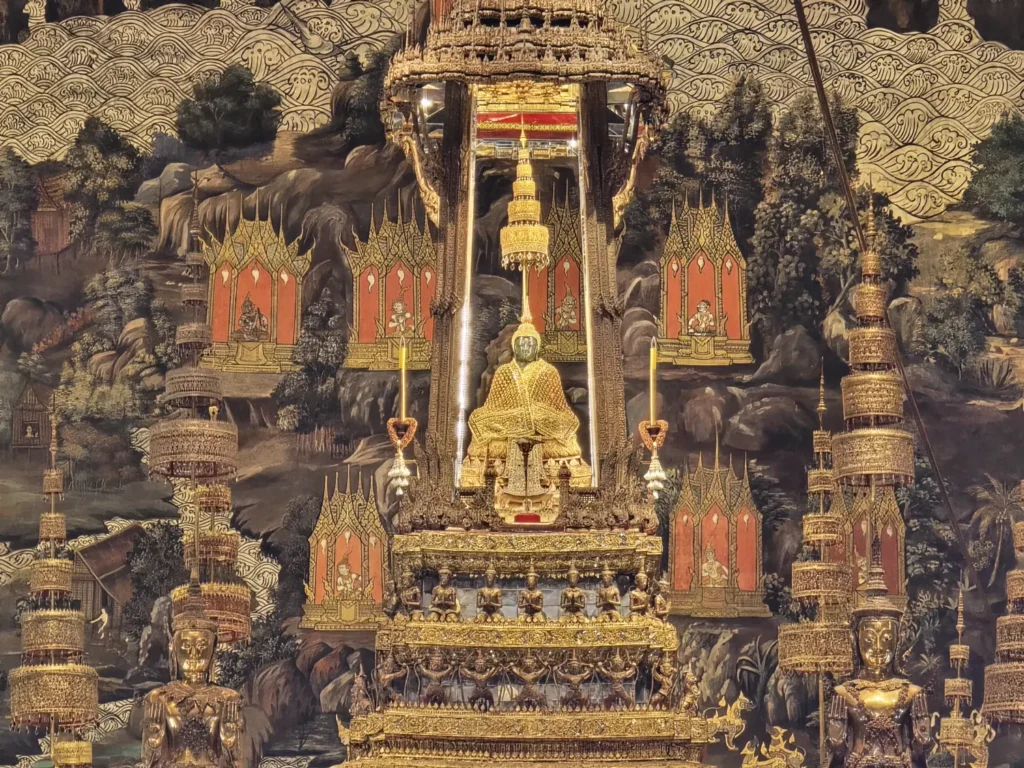
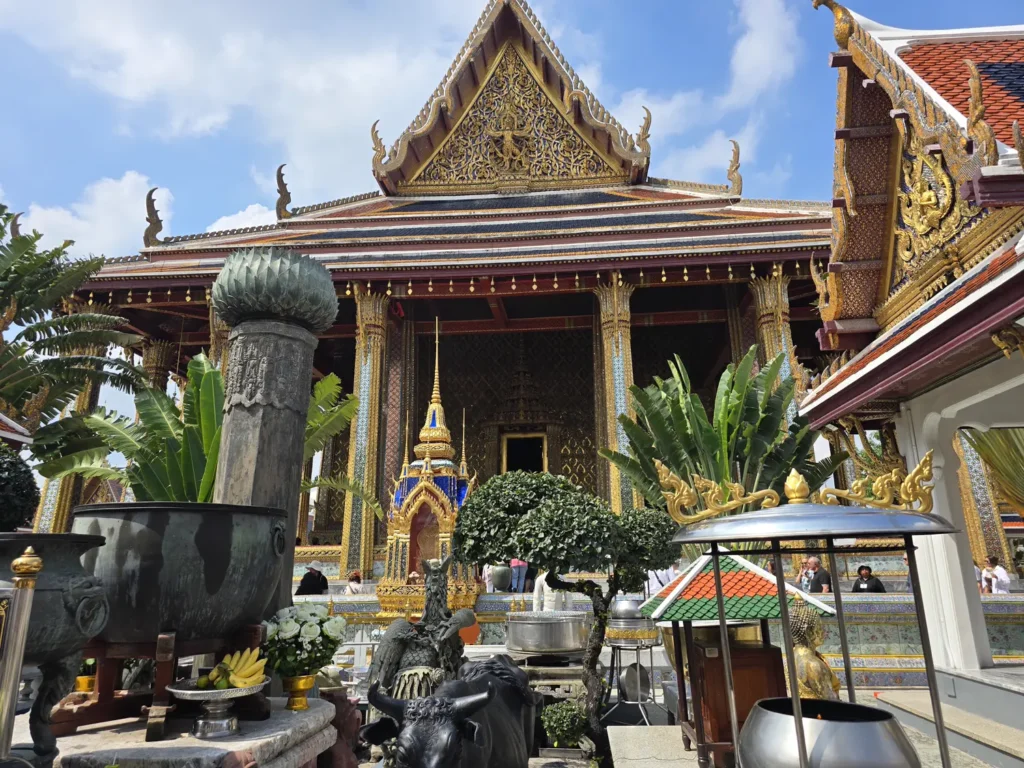
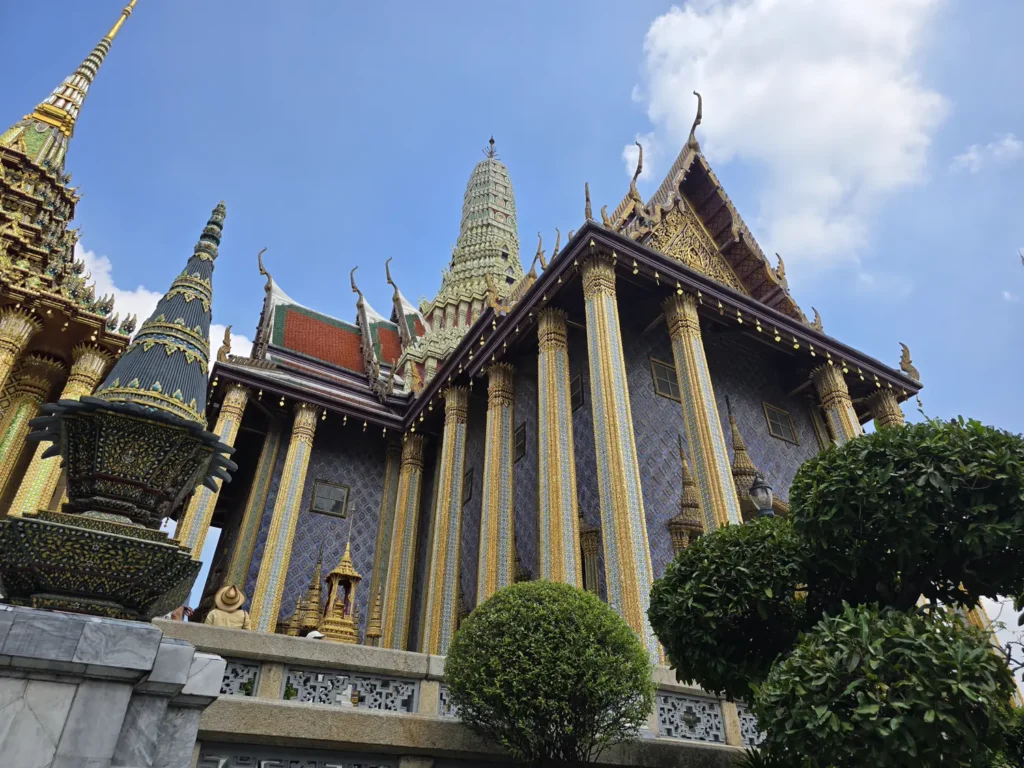
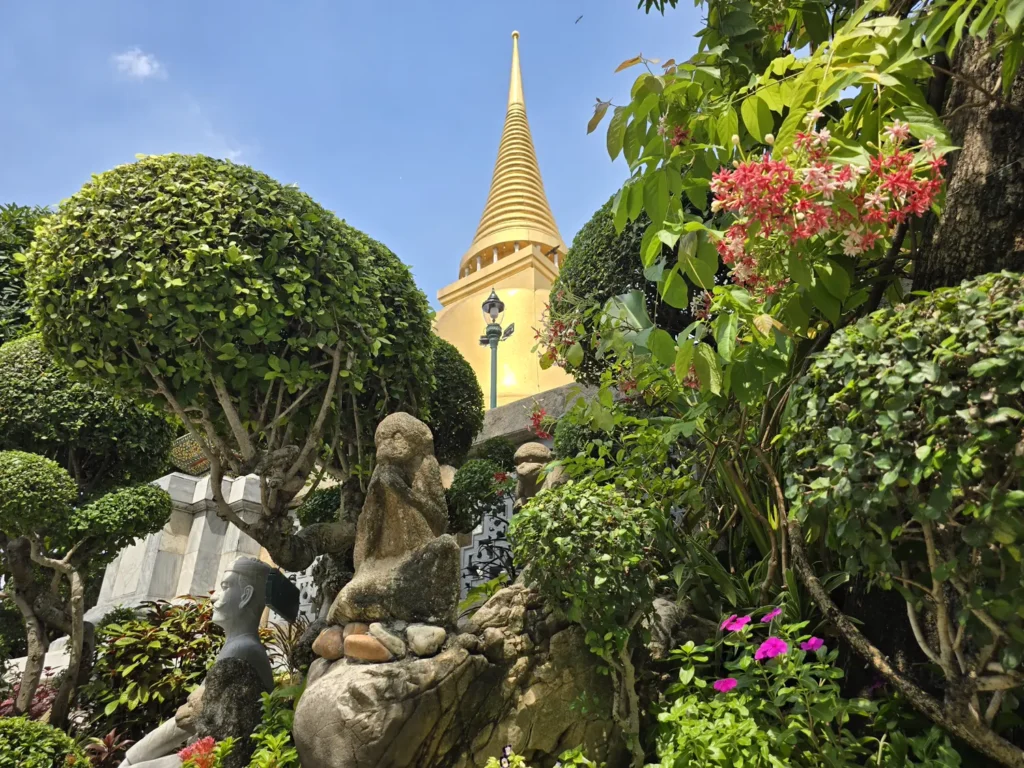
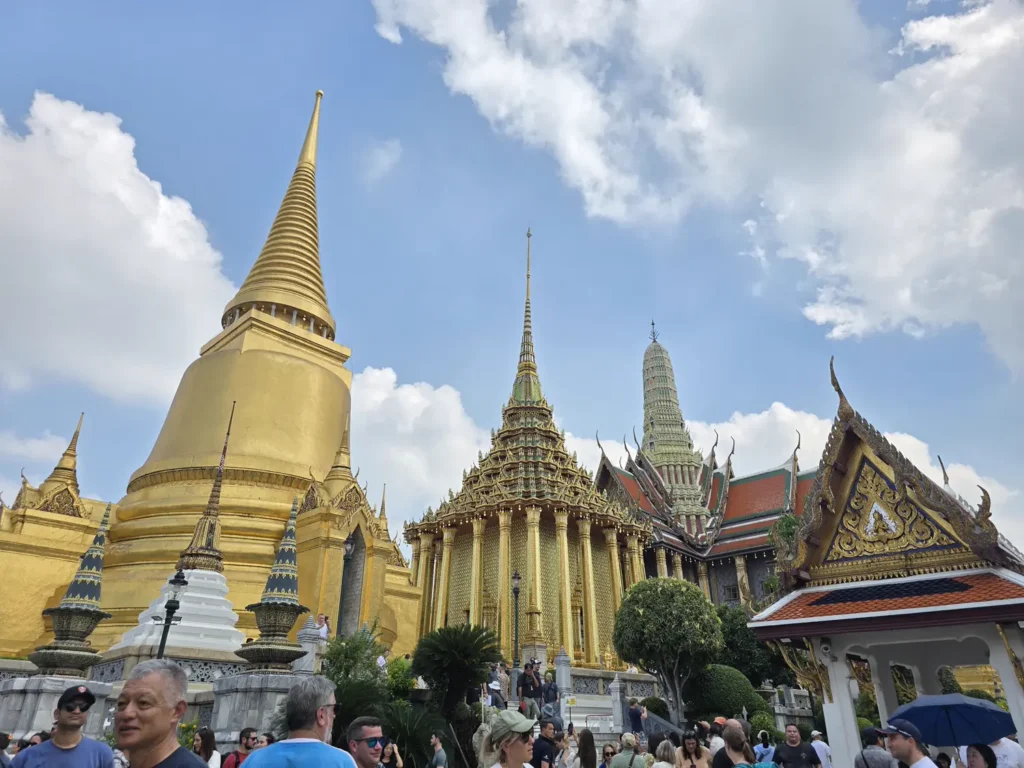
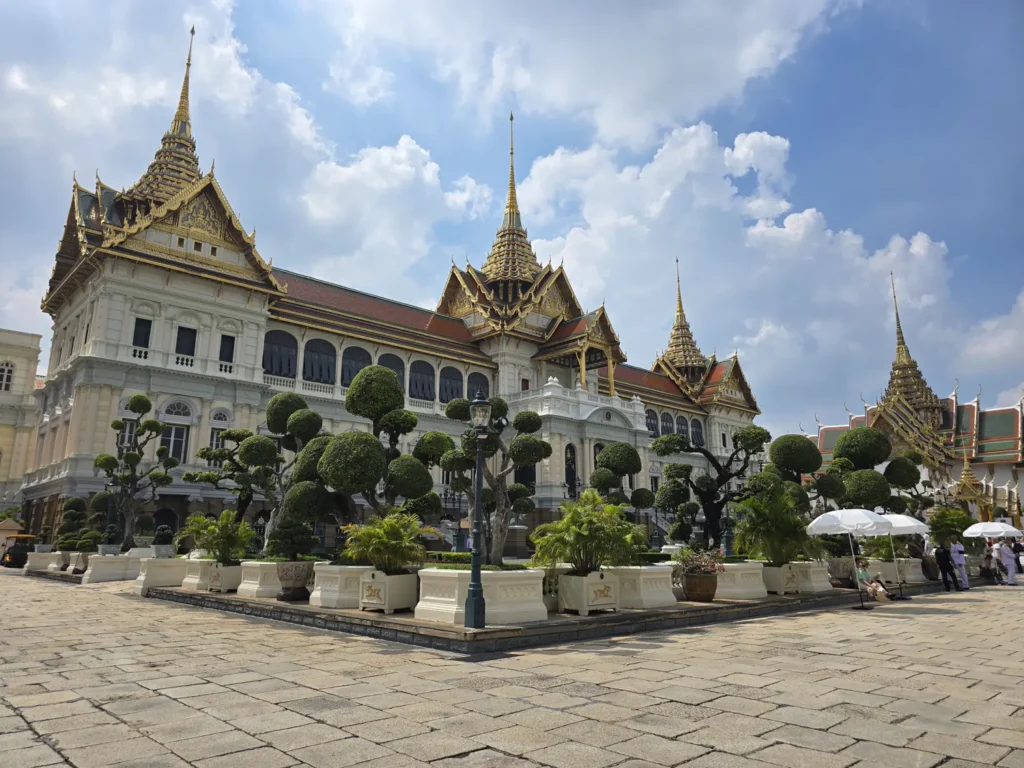
I was approaching the end of my trip at this point, and I caught a 13-hour overnight bus back to Bangkok, arriving early Saturday morning. I had the full day to spare, so I first visited the Grand Palace which had just reopened. The complex is quite sizeable and contains its own temple as well as royal halls and offices. Although the palace had reopened for visitors, it still staged the procession for the lying in state of the late Queen. Many Thai nationals were visiting, all dressed in black as they walked through the complex to pay their respects.
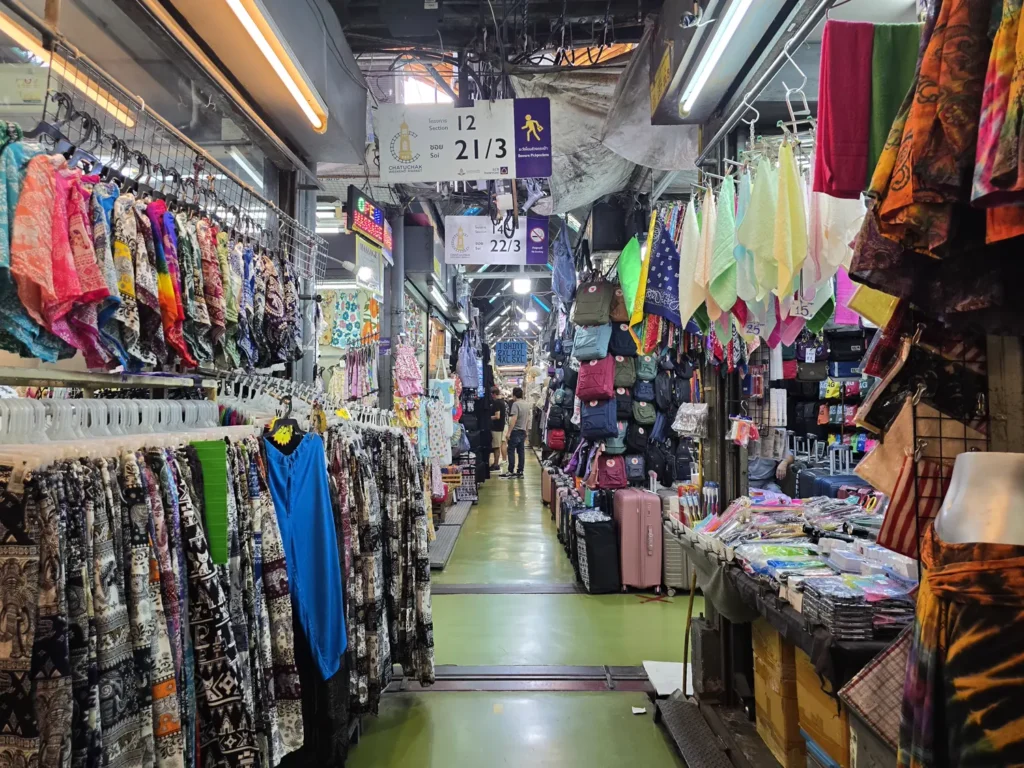
Another place I wasn’t able to visit initially (since it wasn’t the weekend) in Bangkok was the Chatuchak weekend Market. You might have thought I’d had enough of Markets by now, finding some new one practically every day. Apparently not, and that might have been for the best, as this one was definitely “the market of all markets”.
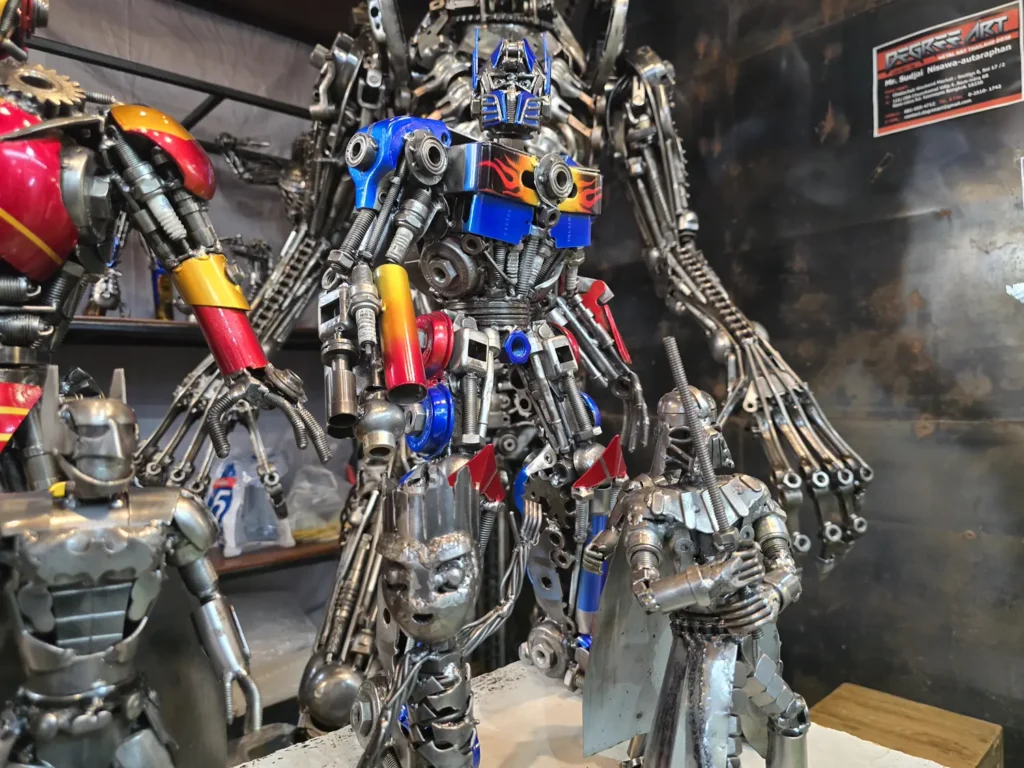
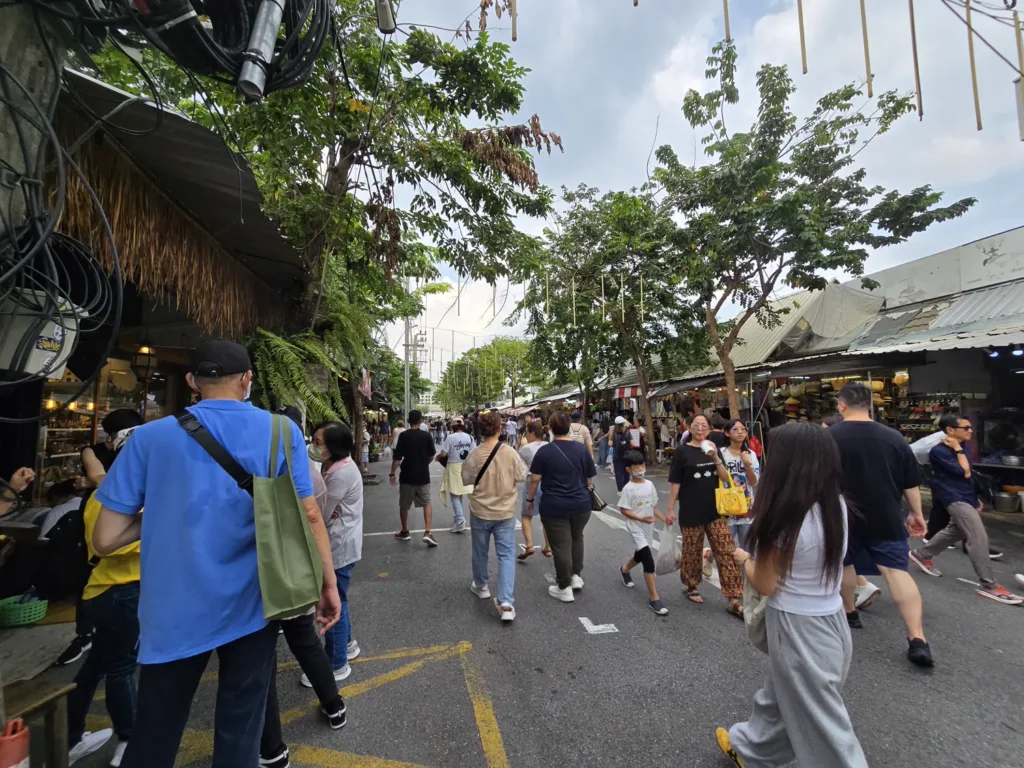
As I say to the camera – it’s like walking through Narnia’s wardrobe. I entered the indoor market from one of the streets into an endless complex of tight passages that criss-cross and branch off all over the place. After walking through and through, soon forgetting about working out which way I came from, I’d come back outside into what seemed itself – another street market! Shops, cafe’s and massage parlours lines every corner. I got another fruity soda blend whilst weaving up and down the countless little alleys, admitting that I probably wouldn’t be able to explore all of it.
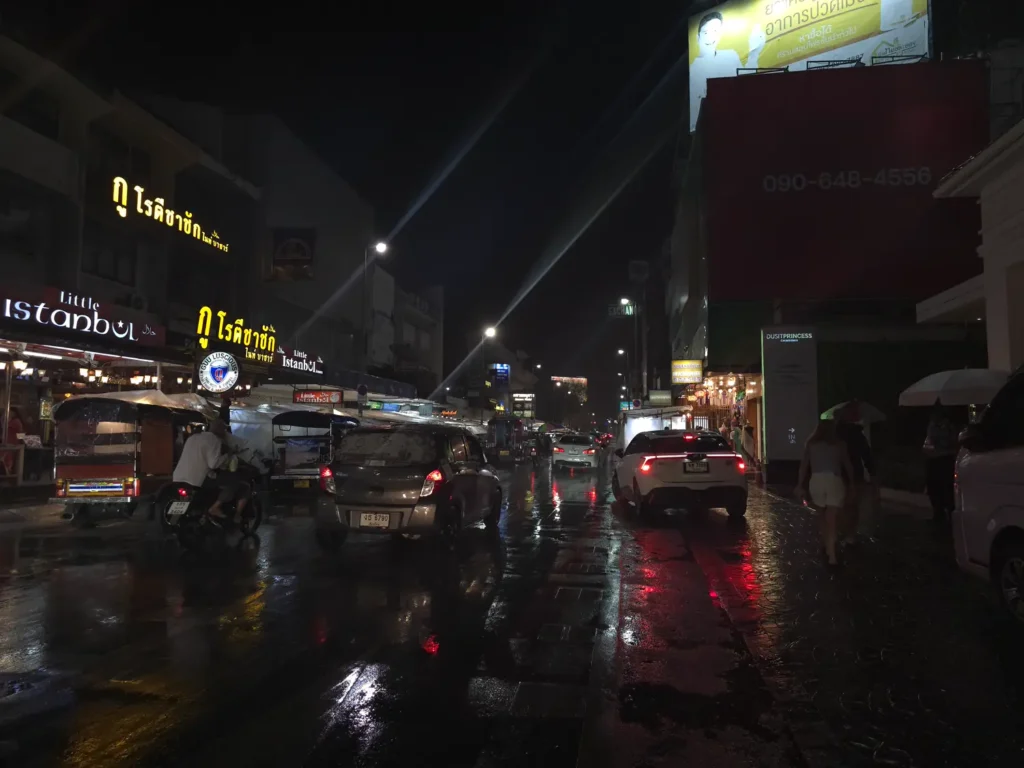
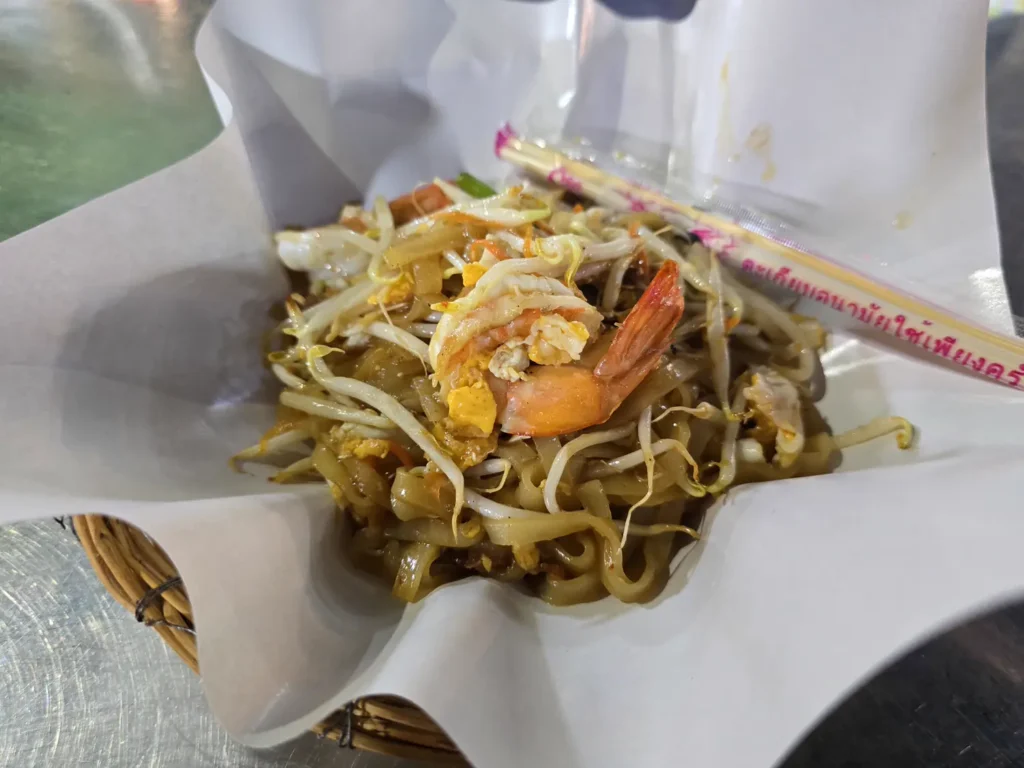
Anyway, I had great fun exploring the ins and outs of this packed and busy bazaar – acknowledging that on my next trip out here, I’d have to bring a big rucksack so I could actually buy a few more things to take back. I had my last Pad Thai down Koa San Road before the heavy rains took hold that night, and an uneventful fly back home the next day.
2 weeks can easily feel like no time at all when travelling around, but this was spontaneity at it’s core and sometimes that just means dealing with what you get. At the end of the day, if it’s the chance to travel vs not to travel, I’d always say to just go for it. Do I think a trip that was planned further in advance would be better? Quite possibly.
But maybe that’s the point. Technology and information are so abundant to us now that we literally could plan everything to the last detail. Even in just the last 24 months this ability had evolved tenfold. It would take me less than a minute now to enter a destination and a duration into the like of ChatGPT – and it could spit out an entire plan for me in seconds. I’d probably save countless hours researching and planning myself- simple efficiency. Surely that’s always good?
But then what does it really mean to travel? To explore, to see the unknown. Does that core philosophy get eroded when everything is already decided?
It’s an interesting question, but the point is that maybe it’s good for everyone to do some travelling like that. Unplanned, unscheduled, unknown until you get there. I don’t regret doing Thailand this way and maybe it’s something we should all do more often.
Gone off on a philosophical tangent there. Anyway, I’ll summarise Thailand on my list of travels as potentially the #1 food destination, and a must-do for visiting South-East Asia (which I expect the vast majority of people do). It was technically my second time in the country, but that first visit was many years ago and my memories could probably do with being renewed. Thailand’s entire southern peninsula is world-renowned for good reason, and it’s entire eastern regions seem to go relatively unmentioned. Both of these warrant visits in the future.
With other parts of the world in my sights, I can’t say when that will be. But if you want a far-away destination in one of the most traveller-friendly areas, this is probably where I’d tell you to go.